
Built-In Headboards with Shelves: Style and Functionality
Intro
In today's fast-paced world, the spaces we inhabit are not just about aesthetics—functionality plays a key role too. One of the standout features that has emerged in modern bedroom design is the built-in headboard with shelves. This clever integration marries form and function, offering both a stylish focal point and valuable storage solutions. In this guide, we will thoroughly explore the purpose and appeal of built-in headboards with shelves, examining design trends, practical tips, and the overall impact these elements can have on bedroom interiors.
Design Trends
Emerging Styles in Furniture Design
The market is currently bustling with fresh ideas in the realm of built-in furniture. Gone are the days when a headboard was simply a decorative piece. Nowadays, designers are leaning towards headboards that optimize space while adding visual interest. From minimalist Scandinavian designs that embrace simplicity to rustic farmhouse styles that celebrate warmth and charm, there’s something for every taste.
- Scandinavian: Characterized by clean lines and light woods, these headboards often double as shelves, housing books, plants, or photos.
- Industrial: A mix of metal and reclaimed wood offers a rugged feel, perfect for urban settings.
- Modern: With bold colors and geometric shapes, these headboards make a statement while providing versatile storage.
These styles not only serve to enhance the aesthetic appeal of a bedroom but also cater to the practical needs of homeowners.
Color Palettes and Material Innovations
With regards to color and materials, the trend is also shifting. Natural tones, like beige, soft grays, and muted greens, are prevalent as they contribute to a serene atmosphere. If one wants to make a bolder statement, deep blues or rich jewel tones can create a striking contrast against lighter furnishings.
Materials have seen significant evolution as well. Here are some noteworthy mentions:
- Bamboo: An eco-friendly option that offers durability and warmth.
- Recycled materials: For the environmentally conscious, headboards made of reclaimed wood are becoming increasingly popular.
- Laminates: These are not only budget-friendly but also available in a range of textures and designs, making them suitable for various decor styles.
Practical Tips
How to Choose the Right Furniture for Your Space
Selecting the right built-in headboard depends on various factors surrounding your bedroom’s layout and style. Consider the following:
- Size: Ensure the dimensions are appropriate for your bed and available wall space. A headboard should complement—not overwhelm—your room.
- Style: Match the headboard style with the overall bedroom theme. A cozy cottage-style bedroom shouldn’t feel out of place with a sleek, modern headboard.
- Functionality: Determine if you want just decorative or if practical shelves are essential for your storage needs.
Maintenance and Care for Longevity
To keep your headboard looking fresh, consider these maintenance tips:
- Dust Regularly: Dust can accumulate on shelves, so use a soft cloth to keep surfaces clean.
- Check for Wear: Periodically examine joints and connections for any signs of wear.
- Use Protective Gear: For wooden headboards, applying a sealant can help protect the finish from scratches or stains.
Choosing a built-in headboard with shelves is not merely a design choice; it reflects a thoughtful approach to maximizing space while marrying style and utility.
In summary, built-in headboards with shelves present an opportunity to elevate your bedroom's look while being practical. They come in various styles and materials, suiting diverse preferences. By considering the elements mentioned above, a homeowner can make an informed choice that enhances both their living space and their quality of life.
Prolusion to Built-In Headboards with Shelves
When it comes to bedroom design, the headboard often takes center stage—not just as a functional element, but also as a focal point that can redefine the space's overall aesthetic. Built-in headboards with shelves offer a unique blend of style and practicality, allowing homeowners to transcend the ordinary. These structures provide not just a place to lean against while reading or watching television, but they also incorporate essential storage solutions that can keep the bedroom organized and clutter-free.
By opting for a built-in headboard with shelves, you don't just enhance your bedroom's visual appeal; you also make it more functional. For example, it allows you to maximize vertical space, which is often underutilized in many rooms. This is particularly beneficial in smaller bedrooms where every inch counts.
Consider the myriad of items that might sit on the shelves: books, lamps, plants, or cherished mementos. Each shelf can be a canvas for personal expression, providing a space for both decor and utility. Moreover, this kind of headboard can cleverly integrate technology, offering options for built-in charging stations or even lighting solutions that can make your nighttime routine seamless.
Furthermore, the integration of shelving within headboards can streamline bedroom elements that often create visual clutter. All those books or decorative items that have nowhere to go can find their home neatly tucked into a shelf, elevating the room’s aesthetic without sacrificing comfort or convenience.
"A well-designed headboard isn't just about looks. It’s a smart use of space that meets both practical needs and stylistic preferences."
As you delve deeper into this guide, we'll discuss various aspects of built-in headboards with shelves, from functionality to design considerations. You'll discover how to integrate these structures into different types of bedrooms and how they can serve various lifestyles and needs. Whether you’re a homeowner looking to revamp your space or a designer eager to explore new trends, this comprehensive guide aims to equip you with knowledge and variety of options.
Understanding the Functionality
Built-in headboards with shelves offer a unique blend of form and function, changing how space in the bedroom is utilized. The importance of this topic lies in how these headboards can enhance not only the aesthetic appeal of a room but also its practicality. Understanding the functionality of such headboards means recognizing the myriad benefits that conveniently blend with modern lifestyle needs.
Space Optimization
When discussing space optimization, built-in headboards with shelves excel in various ways. These designs take advantage of vertical space, which is often overlooked in typical bedroom arrangements. Instead of merely supporting the mattress and adding a decor element, these headboards act as functional units where everything from books to personal items can rest.
Consider a small bedroom where square footage is at a premium. Each inch counts. Instead of a traditional headboard that occupies space without serving a dual purpose, a built-in headboard with shelves efficiently capitalizes on usually wasted wall area.
- Effective Use of Vertical Space: By extending upward, these units provide storage without encroaching on floor space.
- Custom Fit: Designed to match the contours of the bedroom, these headboards fit snugly against the wall, eliminating gaps that can attract dust and clutter.
- Declutter Effectively: With designated spots for frequently used items, the room can maintain a clean look, allowing for improved mental clarity and relaxation.
Storage Solutions
The integration of shelves into headboard designs serves as an ingenious storage solution. Items that may clutter bedside tables or strewn about the floor can now find a home directly above the bed. This strategic placement ensures that essentials are always within reach while keeping space organized.


To elaborate on the types of items suitable for storage:
- Books and Magazines: Perfect for the bookworm who enjoys a nightly read.
- Alarm Clocks and Lamps: Creating a cohesive look with lighting and timekeeping devices.
- Decorative Items: Personal touches like plants, frames, or art can be displayed neatly.
- Miscellaneous Essentials: Items like glasses, remotes, or chargers can be organized, ensuring they never get lost in the shuffle.
This approach reflects a thoughtful way to manage belongings, demonstrating how aesthetics and utility can walk hand in hand.
Design Versatility
Design versatility is another crucial advantage that built-in headboards with shelves bring to the table. They can complement any bedroom style, from contemporary to rustic, making them an attractive feature for various homeowners. This flexibility means that these headboards can be tailored to fit individual preferences and room themes, allowing creativity in personalization.
- Modern Aesthetics: For those who prefer clean lines and minimalism, sleek designs in materials like metal or painted finishes can create a chic atmosphere.
- Traditional Looks: Dark woods and intricate carvings can imbue a classic or vintage charm, allowing a seamless blend with antique furniture.
- Rustic Charm: Natural woods with a rough finish can enhance a cozy, country-style bedroom, inviting warmth into the space.
No matter the choice, these headboards serve a crucial role—greatly enhancing a room's functional and decorative aspects while providing opportunities for customization. They aren't just a place to rest your head at night; they're a multifunctional piece contributing to an organized and stylish living space.
Design Considerations
When thinking about built-in headboards with shelves, design considerations hold a lot of weight. This aspect can make or break the overall aesthetic harmony and functionality of a bedroom. Striking the right balance between style and usability is key. A well-thought-out design enhances the visual appeal and often increases the perceived value of a home. It’s not just about slapping a shelf behind the bed; it’s about how these elements work together to create a cohesive environment.
Style Integration
Modern Aesthetics
Modern aesthetics focus on clean lines, minimalism, and functionality. Built-in headboards designed with modern principles often feature sleek finishes and a muted color palette. This simplicity tends to evoke a sense of calm and order, making it a prime choice for contemporary homes. One standout characteristic of modern aesthetics is its adaptability. These designs can seamlessly blend with various decor styles, making them a popular selection for homeowners looking to create an understated elegance.
However, it’s important to note that while modern aesthetics are visually appealing, such designs may come across as cold or impersonal if not carefully integrated. Users who seek warmth and character in their bedrooms might find these designs a tad lacking.
Traditional Looks
Traditional looks bring a sense of history and comfort to a space. A built-in headboard that embodies this style often features ornate carvings, rich wood tones, and intricate detailing. This approach focuses on creating a cozy and inviting atmosphere, appealing particularly to those who appreciate heritage and craftsmanship. One key characteristic of traditional looks is the warmth they exude. These designs remind us of bygone eras, bringing a nostalgic feel to a bedroom.
However, integrating traditional designs may require more space and can sometimes make a room feel cluttered. For individuals in smaller homes, this could be a drawback when contemplating headboard styles, demanding careful planning and balance.
Rustic Charm
Rustic charm is all about embracing natural elements and raw finishes, offering a down-to-earth vibe. A headboard with rustic features—think reclaimed wood or distressed metal—can instantly add character and warmth to a bedroom space. The primary appeal of rustic charm lies in its authenticity. This style resonates with individuals who favor organic materials and comfort, often creating an inviting retreat from the chaos of modern life.
While rustic charm is undeniably beautiful, it can also pose some challenges. For instance, materials like untreated wood can require more maintenance and may not always fit well in a contemporary setting. This might limit its versatility in today's more polished interior designs.
Material Selection
The choice of materials is just as critical as the design style itself. Each material offers distinct characteristics and plays a role in the overall feel of the space.
Wood
Wood is often considered a classic choice due to its versatility and warm aesthetic. Solid wood offers durability and an enduring appeal. One characteristic that stands out with wood is the variety of finishes and textures available—from smooth and polished to weathered and rustic.** This selection allows homeowners to customize their headboards to align tightly with their personal style.**
Nevertheless, wood can be susceptible to scratches and wear over time, which may require periods of maintenance that some homeowners might find unappealing.
Metal
Metal is another option, often chosen for its modern and industrial vibe. Built-in headboards made from this material tend to bring an element of urban chic into a bedroom. The durability of metal makes it a practical choice for those avoiding material decay. Some finishes, like brushed nickel or wrought iron, can become striking focal points in the room.
However, metal can feel colder and less inviting than wood, possibly affecting the overall coziness of the space. For homeowners prioritizing comfort, this aspect might make metal less desirable.
Fabric Finishes
Fabric finishes offer an unparalleled softness and warmth. Upholstered headboards can introduce textures such as velvet, linen, or even denim, enhancing comfort during those early morning reads in bed. One distinctive feature of fabric finishes is the ability to add bold patterns and colors, making them a daring choice for adventurous decorators.
On the other hand, fabric can be less practical for those with pets or small children, as it may be more prone to stains and wear and tear compared to wood or metal. Being aware of these challenges can help mitigate any potential drawbacks in selecting fabric components for built-in headboards.
In summary, making design considerations is a crucial part of the process when crafting built-in headboards with shelves. It’s essential to evaluate style integration, material selection, and how each piece connects to the broader vision for the bedroom.
Installation Techniques
The installation techniques for built-in headboards with shelves are crucial not just for their functionality, but also for maximizing the aesthetic appeal and durability of these structures. An effective installation can seamlessly integrate the headboard into the bedroom's design while ensuring it is safely and securely mounted. This section will explore key considerations such as preparation for installation, accurate measurements and planning, and different mounting methods. Each of these elements plays a vital role in achieving a final look that blends beauty with practicality, suiting a variety of spaces and preferences.
Preparing for Installation
Before breaking out the tools, it’s essential to lay the groundwork for a successful installation. Preparation involves assessing the existing space, deciding on the headboard’s position, and gathering necessary materials. It’s not just about where it goes; understanding surrounding elements like wall textures or existing furniture can make a significant difference.
This step also includes checking if the wall structure is suitable for mounting. For instance, installing a heavy piece on drywall without proper reinforcement might lead to a disaster. Knowing the wall studs’ locations can help inform where bolts will secure the unit. Having a clear plan, along with all the materials at hand, can save time and hassle, ensuring a smoother installation process that feels like a walk in the park.
Measuring and Planning
Accurate measurements are the heart of a well-executed installation. This phase isn’t just about measuring height and width; it’s also about considering headroom and overall room proportions. The gap between the headboard and the bed should allow easy access to the shelves without feeling cramped or obstructive.
Once measurements are taken, planning comes into play. Sketching a simple layout can assist in visualizing how the headboard fits within the broader bedroom design. Think about how the shelves will be used too; are they for books, plants, or maybe electronic devices? Good planning considers functionality as much as style, allowing for an intuitive setup that meets daily needs seamlessly.
Mounting Methods
Mounting techniques significantly influence both stability and design aesthetics. There are primarily two methods to consider: wall-mounted options and freestanding structures. Each carries its unique characteristics and suitability depending on the space.
Wall-Mounted Options
Wall-mounted options are frequently favored for their sleek appearance and minimal footprint. This mounting type essentially connects the headboard directly to the wall, which can create a striking visual effect as it seems to float above the bed. A key characteristic of wall-mounted headboards is their space-saving nature; they utilize vertical space effectively, making them ideal for smaller bedrooms without sacrificing style.
Moreover, these options can be customized to fit between specific architectural elements, such as windows and doors, enhancing the overall coherence of the room's design. However, one has to be cautious about the wall’s surfact; it must be robust enough to handle the weight of the headboard and any items placed on the shelves. Proper anchor systems are paramount for safety.
Freestanding Structures
Freestanding structures present a different kind of allure. They stand independently of the wall, often allowing for more flexibility in layout and style. A notable feature is that they can be moved around if redesigning the space is on the horizon. This makes them a popular choice for renters or those who appreciate versatility in their home decor.
One advantage of freestanding headboards is their easy installation process—no complex wall reinforcements needed. Nevertheless, these structures might occupy more floor space than their wall-mounted counterparts, which can be a drawback in smaller rooms. Pay attention to stability here; ensuring the unit doesn’t wobble when leaned against or when items are retrieved from shelves is critical.
Maintenance and Care
Maintaining built-in headboards with shelves is crucial for ensuring both their aesthetic appeal and functional longevity. These structures not only serve as a beautiful focal point in the bedroom but also contribute significantly to the overall functionality of the space. As such, proper care helps to protect your investment, maintain cleanliness, and ensure the safety and usability of the entire setup. Neglecting upkeep can lead to wear and tear that diminishes both form and function, so paying attention to maintenance is smart, not just common sense.
Cleaning Recommendations
When it comes to cleaning built-in headboards with shelves, a mindful approach will keep the surfaces looking sharp. Depending on the materials used, the cleaning methods may vary.
- Dust Regularly: Use a soft microfiber cloth to dust the shelves and headboard. You can tackle dust bunnies before they settle in, which gives a polished look right off the bat.
- Wipe Down Surfaces: For wooden surfaces, a damp cloth is often enough. Be cautious to not soak the wood, as too much moisture can lead to warping. If you notice stains, consider using a mild solution of vinegar and water.
- Fabric Care: If the headboard is upholstered, vacuums with an upholstery attachment can work wonders. For deeper cleaning, check the care label for specific instructions related to the fabrics. You might use a gentle fabric cleaner or even consult professional cleaning services when needed.
Regular maintenance isn’t a chore; it’s a way to keep your bedroom a sanctuary.
Preventive Measures
Taking preventive measures can spare you from larger headaches down the line. Here are some useful tactics to consider:
- Avoid Direct Sunlight: Position your headboard away from direct sunlight. Prolonged exposure can lead to fading of both fabrics and wooden finishes. Use curtains or shades to protect it from harsh rays.
- Humidity Control: In regions with high humidity, consider using a dehumidifier. Too much moisture is not a friend to wood and can promote mold growth.
- Weight Management: Be mindful about the items you place on the shelves. Overloading shelves can lead to structural damage to the headboard over time, especially in freestanding designs.
- Regular Inspections: Set a routine to inspect for loose screws or handles. Tightening fixtures proactively can enhance the overall stability and safety of your headboard.
Taking these steps not only maintains the beauty of your built-in headboard with shelves but also extends its lifespan. With careful attention to cleaning and preventive care, you can enjoy a stylish, functional addition to your bedroom for years to come.
Accommodating Different Spaces
Accommodating different spaces is an essential aspect when considering built-in headboards with shelves. This topic is significant because not all bedrooms are created equal. Each space comes with its own set of challenges and potential. An understanding of how to tailor headboard solutions to various room types can significantly enhance both functionality and aesthetics. Whether one is working with a compact bedroom or a sprawling master suite, the right headboard design can make a world of difference.
Small Bedrooms
When dealing with small bedrooms, every inch counts. Built-in headboards with shelves can be a game changer in these confined areas. The first benefit is space-saving; these headboards effectively combine sleeping and storage areas into one streamlined unit. Rather than taking up extra floor space with bulky nightstands, a built-in headboard allows for convenient storage of books, lamps, and personal items above head level. This not only opens up the floor plan but also gives the room an illusion of depth.
One important consideration for small bedrooms is the visual weight of the headboard. Lighter materials or open designs can help make a room feel less cramped. For instance, a wood headboard with minimalist floating shelves can provide utility without overwhelming the space.
Here are a few ideas to optimize the design:
- Floating Shelves: Installing shelves that are flush against the wall can reduce clutter and make cleaning easier.
- Multi-Functional Furniture: Look for headboards that incorporate additional features, like built-in lighting or charging stations.
- Color and Finish: Light colors often make a space feel larger; soft pastels or white finishes can help reflect light, keeping things airy.
In addition, consider how furniture placement aligns with the headboard design. Making optimal use of wall space while maintaining a coherent design can be challenging but rewarding.
Master Suites
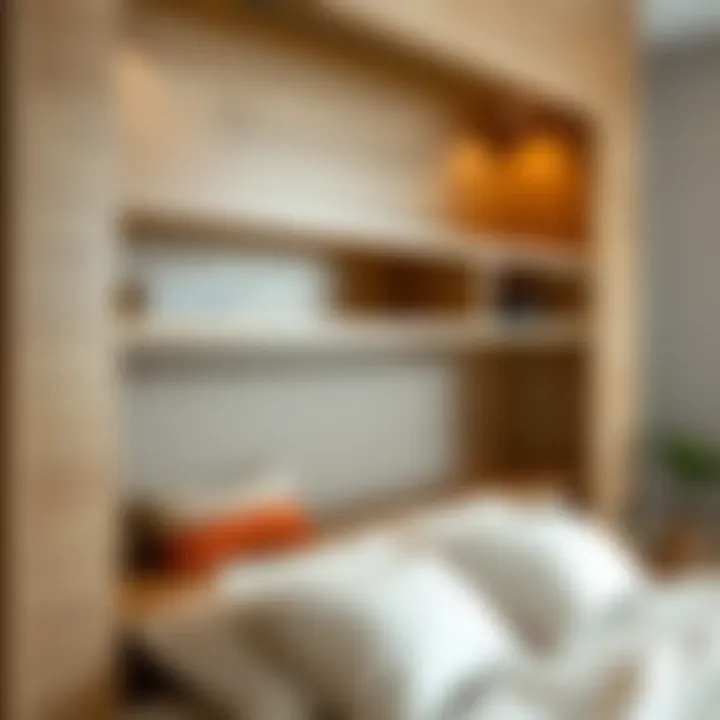
In contrast, master suites offer a bit more leeway. Here, built-in headboards with shelves can truly shine by becoming a focal point in an otherwise spacious room. The luxury of space allows for creative exploration; headboards can stretch the entire length of the bed, complete with multiple shelving units. This encourages both functionality and personalization.
A large headboard offers the chance to play more with textures and styles. For instance, homeowners might opt for a tufted fabric headboard flanked by solid wood shelves for a touch of elegance. The functionality extends beyond mere storage; the shelves can serve as display areas for photographs, cherished decor, or even live plants that bring nature indoors.
Some design considerations for master suites include:
- Customization: Tailoring size and style to match the room’s decor helps to create a cohesive look. Choose colors and materials that complement the overall theme of the suite.
- Integrated Lighting: It's also worth exploring headboards that include integrated lighting. This not only adds ambiance but can also serve as a practical feature for nighttime reading.
- Layering Elements: Incorporating different materials—like a wood headboard with metal accents—adds depth and character.
"The design and functionality of headboards can transform a simple bedroom into a personalized retreat, reflecting one's style while maximizing space."
For further reading on bedroom design strategies, check out Wikipedia and Britannica for comprehensive insights.
Incorporating Technology
In today’s ever-evolving world, the marriage of comfort and convenience is more crucial than ever. When it comes to bedroom design, incorporating technology into built-in headboards with shelves isn’t just a luxury; it’s becoming a necessity for many. This blend of utility and innovation enhances the functionality of this furniture piece, catering to the modern homeowner's fast-paced lifestyle. Here, we explore two key elements of technology integration: lighting solutions and charging stations.
Lighting Solutions
Lighting plays an important role in setting the ambiance of any room, and the built-in headboard is no exception. By integrating lighting directly into the headboard, homeowners can achieve not just beauty but efficiency.
- Mood Enhancement: Positioned lights can softly illuminate the space, making it more inviting, especially at night. For instance, bedside reading lights can be embedded at ideal heights to suit different activities without the need for additional table lamps.
- Functionality: Having dedicated lighting means there’s no need to fumble for switches. Soft push buttons or touch control dimmers installed on the headboard can offer ease of access that traditional lamps may not provide.
- Aesthetic Appeal: LED strips can be sleekly hidden within the framework of the headboard, allowing for creative lighting scenarios—like backlighting that emphasizes artwork or the headboard itself. Homeowners can adjust the color and brightness to match their mood, or simply to enhance decor.
"Integrating lighting solutions into headboards not only amplifies style but also enriches the overall bedroom experience."
Charging Stations
In this digital age, charging stations are practically indispensable. As we rely on various devices for social connection, productivity, and leisure, ensuring they are charged and ready for use becomes a priority.
- Design Integration: Built-in charging stations can seamlessly blend into the design of a headboard. This means no more tangled cords or last-minute scrambles to find a power outlet across the room. One can design compartments that quietly hide cables while also providing a convenient place to set devices without worry.
- Versatility: With the rise in use of multiple gadgets—from smartphones to tablets and e-readers—a headboard charging station can come with several ports, accommodating all needs. USB ports have become a standard for this feature, making life simpler.
- Safe Accessibility: By placing charging stations at the headboard, you minimize the dangers of overreaching for devices when you’re in bed. It gives you peace of mind knowing that everything you need for comfort and entertainment is right within arm’s reach.
In summary, the incorporation of technology in built-in headboards with shelves not only enhances practicality but also elevates the user experience. From clever lighting solutions that set the mood to charging stations that cater to the needs of a plugged-in lifestyle, technology is a game-changer in modern bedroom design.
Sustainability and Eco-Friendliness
When we think about enhancing our living spaces, sustainability isn't just a buzzword—it's an essential aspect that resonates deeply within the design community and among conscientious homeowners. Built-in headboards with shelves represent an ideal fusion of functionality and responsible living. This section delves into the elements that make sustainability an important consideration in these designs, emphasizing both the environmental benefits and the various aspects of integrating eco-friendly practices in modern bedroom furniture.
Sourcing Materials
The journey to creating a sustainable built-in headboard begins with the choice of materials. Opting for responsibly sourced wood, such as that which comes from certified forests, is a commendable step. This not only guarantees that the material is sustainably harvested, but also supports global reforestation efforts. For those inclined towards a more contemporary aesthetic, bamboo is another excellent alternative. Rapidly renewable, bamboo grows substantially faster than traditional hardwoods, making it a marvel of eco-conscious design.
Additionally, it's crucial to consider materials free from harmful chemicals. Utilizing water-based finishes or organic fabrics can greatly reduce the environmental impact during both production and throughout the lifespan of the furniture. The lasting nature of these eco-friendly materials often results in lesser waste over time, highlighting a whole-life approach rather than a quick-fix aesthetic.
- Locally sourced materials: Keep the carbon footprint low by sourcing materials from local suppliers. This practice not only supports local businesses but minimizes transportation emissions.
- Recycled materials: Items such as reclaimed wood or metal can provide unique character to your headboard. Plus, it keeps materials out of landfills, promoting a circular economy.
Eco-Conscious Designs
Eco-conscious designs extend beyond just materials. They encompass a broader commitment to environmental stewardship. Design simplicity plays a vital role here—minimalistic designs often mean fewer materials and reduced energy consumption in manufacturing. However, that doesn't mean sacrificing aesthetics; rather, it opens avenues for creativity with sustainable components.
Incorporating natural patterns and textures is one method to achieve elegance while reinforcing ecological values. For example, a headboard finished with natural oils instead of synthetic varnishes can introduce warmth while maintaining a healthy indoor environment. Furthermore, designs that fuse modular elements can extend the versatility and life span of your furniture, reducing the need for replacements.
Adopting energy-efficient manufacturing processes is another consideration worth attention. Collaborating with manufacturers who prioritize sustainability in their production line can make a significant difference. By doing so, you aren't just choosing a headboard; you are joining a movement that values long-term ecological impacts over short-term gains.
"Sustainability in design isn’t just about what we do today, it's preparing for a better tomorrow."
These choices resonate with many homeowners, decorators, and designers striving to make a more significant impact, encouraging conscious consumerism and fostering a culture where aesthetics and sustainability coexist harmoniously.
Case Studies and Inspirational Ideas
Case studies and inspirational ideas play a significant role in understanding the practical application and aesthetic appeal of built-in headboards with shelves. These elements illustrate how diverse design approaches can fulfill various needs, showcase creativity, and provide tangible benefits. By examining real-life implementations and user-centric designs, homeowners and designers gain insight into what works and what can be improved. It helps to anchor theoretical knowledge in practical examples, making the decision-making process smoother for those contemplating this elegant solution for their sleep spaces.
Real-Life Examples
Seeing how built-in headboards with shelves enhance real spaces offers invaluable inspiration. Take for instance a small urban apartment where every square inch counts. A built-in headboard with shelves can double as a storage unit, cleverly accommodating books, plants, and photos without cluttering the limited floor space. These functional headboards often blend seamlessly with the surrounding decor, creating a cohesive look.
Another excellent real-life example is a family home where the headboard serves a wider purpose. Some homeowners might install a built-in headboard with integrated lighting, which can function for late-night reading. This setup transforms the headboard into a multi-use feature in the bedroom, demonstrating versatility while addressing the family's needs. Not only does this design save space, but it also elevates the room's overall aesthetic, showcasing thoughtfulness in design.
User-Centric Designs
User-centric designs emphasize the importance of adapting built-in headboards to individual lifestyles. Families with young children, for example, may prioritize safety and functionality. A built-in headboard that features rounded edges and secure shelving can offer peace of mind while also looking stylish. Incorporating materials that are easy to clean, such as treated wood or durable fabric, can also cater to parents' practicality without sacrificing the aesthetic appeal.
On the other hand, an artist might desire a creative touch. A headboard adorned with adjustable shelving could become a gallery for an ever-evolving collection of personal artwork. This flexibility makes the design not just functional but also a canvas for self-expression. By focusing on the unique needs of users, designers can craft headboards that don't just serve a structural purpose but also enhance the user’s lifestyle, encouraging individuality and expression in personal spaces.
Epilogue
The conclusion serves as the final brushstroke on the canvas that is built-in headboards with shelves. It stitches together the various threads discussed throughout the article, reinforcing the importance of thoughtfully designed headboards that merge aesthetics with functionality. These structures not only elevate the look of a bedroom but also optimize space, providing practical solutions that meet the needs of modern living.
In examining the multifaceted role of built-in headboards with shelves, we've seen how they can act as a centerpiece in a bedroom. They allow homeowners to exercise creativity in their spaces, offering a range of styles from sleek contemporary designs to charming rustic finishes. Furthermore, the inclusion of shelves serves a dual purpose: they are a canvas for decorative items while providing much-needed storage space for books, lighting, or personal artifacts.
Considerations when selecting a built-in headboard with shelves include proper measurements and installation techniques. A careful approach can prevent design mishaps and enhance the overall bedroom atmosphere. Not to mention, the potential integration of technology, such as charging stations and lighting solutions, adds an element of convenience that resonates in today’s fast-paced lifestyles.
Ultimately, these headboards provide not just decor, but solutions—saving space without sacrificing style and functionality. As we embrace the trends and practicalities in interior design, recognizing the value of innovative furniture pieces is essential for creating a harmonious and efficient living environment.
"In design, everything is connected. A headboard with shelves isn't just about style; it's about how it fits into your life."
As we wrap up, the importance of built-in headboards with shelves cannot be overstated. They represent a blend of creativity and utility, crucial for anyone looking to enhance their bedroom experience. Homeowners, designers, and DIY enthusiasts alike can benefit from understanding these multifaceted pieces, ultimately leading to smarter choices in the quest for a tasteful and functional bedroom makeover.