
Enhancing Kitchen Aesthetics with Decorative Jars


Intro
In the hustle and bustle of daily life, where efficiency often trumps aesthetics, the kitchen stands apart as a space where form and function can harmoniously coexist. One of the most delightful ways to strike this balance is through the incorporation of decorative jars. Whether you're storing spices, snacks, or flour, decorative jars serve as more than mere storage solutions; they offer a touch of personality and charm to the kitchen landscape.
Imagine walking into your kitchen and being greeted by an array of jars that reflect your unique style. From sleek, modern designs to rustic, vintage finds, decorative jars can transform a mundane countertop into a stage for creativity. They can whisper tales of heritage and history while also aligning with contemporary design trends. Therefore, understanding the variety of options available and how to integrate them into your kitchen decor is paramount.
This article delves deeply into the world of decorative jars, examining their aesthetic and practical roles within kitchen spaces. We will explore materials and styles that are trending today and provide practical tips for selecting and maintaining jars that suit your taste and needs. By the end, you'll have the knowledge and inspiration to enhance your kitchen's visual appeal and functionality with these charming storage solutions.
Whether you're a homeowner, an interior designer, or a DIY enthusiast, the allure of decorative jars beckons for exploration.
Preface to Decorative Jars
Decorative jars have long held a significant place not just in aesthetic design but also in practical kitchen function. They embody the duality of beauty and utility, making them a staple in many kitchens around the world. As we explore the world of decorative jars, we uncover not only their roles as storage solutions but also their potential to elevate a kitchen's style.
The importance of this topic cannot be overstated. Decorative jars offer myriad benefits: they help organize clutter, keep dry ingredients fresh, and add a touch of character and personal flair. Homeowners often find that a thoughtfully arranged set of jars can transform a mundane kitchen countertop into a charming focal point. Additionally, decorators and designers constantly draw inspiration from the versatility of these jars' shapes, colors, and materials, incorporating them into various design themes.
When considering decorative jars for your kitchen, there are several key elements to keep in mind:
- Material Matters: The choice between glass, ceramic, or sustainable materials affects not only longevity but also aesthetic appeal.
- Purpose and Placement: Understanding what to store in these jars can influence both their design and placement within the kitchen.
- Style Integration: Matching jars with the overall design scheme of your kitchen creates a cohesive look, whether you lean toward modern minimalism or rustic charm.
In the following sections, we will dive deeper into the historical context of decorative jars, which sheds light on their evolution and significance. We will also explore modern interpretations, showcasing how current trends have breathed new life into this timeless kitchen accessory.
Functional Aspects of Decorative Jars
When it comes to kitchen organization and decor, decorative jars hold a multifaceted role. They effortlessly combine function with style, transforming mundane storage into an attractive display. The significance of exploring functional aspects resides in their pivotal contribution to kitchen efficiency and aesthetics alike. Decorative jars can be utilized not only as storage solutions but also as organizational aids, helping declutter countertops and enhance visual appeal. With thoughtful selection, these jars can cater to both practical needs and artistic expression, making them a worthy investment in any kitchen's design.
Storage Solutions
Dry Ingredients
Dry ingredients are a staple in every kitchen. Flour, sugar, rice, and pasta are often best stored in airtight containers to preserve their freshness. Decorative jars fit this bill perfectly. They're designed not only with aesthetic appeal but also with functionality in mind. A key characteristic is their ability to create an organized and visible pantry. Rather than rummaging through a chaotic mess, having labeled jars allows for quick access, which is a real bonus when you're in the throes of cooking.
The unique feature of dry ingredient jars is their airtight seals, which prevent moisture and pests from interfering with your food. However, one must bear in mind that not all jars are created equal, and some may not be as effective as others when it comes to sealing. Selecting jars made from robust materials is essential to avoid breakage—a drawback for some more decorative models.
Spices
Spices are the heart and soul of flavor in any dish. Using decorative jars for spice storage is a trend that’s becoming increasingly popular among home cooks and gourmet chefs alike. The visually pleasing aspect is often emphasized, as jars can come in different shapes and colors that add a touch of character to your kitchen.
An important consideration is that spices should generally be stored away from light and air to maintain their potency. Glass jars with tinted sides can provide a suitable environment. One unique feature of spice jars is that they often come with measuring caps, a handy detail that simplifies the cooking process. However, if not stored correctly, spices can lose their flavor over time, which is a downside unless you're diligent about checking their freshness.
Snacks
Transforming your kitchen into a welcoming space often requires a touch of indulgence. Decorative jars are an ideal option for displaying snacks—think cookies, nuts, or candies. This not only makes them more accessible but also encourages sharing with guests, lending to a welcoming kitchen atmosphere. A prominent characteristic of snack jars is their fun and whimsical design; they can easily become a focal point on your countertop.
However, one must be cautious with their placement and usage. Snacks should ideally be sealed away from air to prevent them from going stale. A downside to consider is that using decorative jars might promote over-snacking, as their visibility can be tempting, especially for those looking to manage their diet.
Organization Techniques
Labeling
Labeling jars is an indispensable organizational technique in the realm of decorative jars. Clear labels help in identifying contents with just a glance, which contributes significantly to kitchen efficiency. This simple action can save time and reduce frustration during meal prep. A major advantage is that it adds a personal touch, as you can choose handwritten labels, printed ones, or even chalkboard paint for a more rustic aesthetic.
The unique feature of labeling is the opportunity it gives you to customize jars, which further enhances their decorative aspect while maintaining functionality. On the downside, labels may change as contents are switched out or jars are repurposed, potentially leading to confusion unless one is vigilant about updating them.
Color Coordination
Color coordination in decorative jars is more than just aesthetic appeal; it’s a practical method to bring a cohesive look to your kitchen. Grouping jars by color not only makes a striking visual impact but also facilitates easier location of items. For example, placing all baking supplies in muted tones and all snacks in vibrant colors can create a system that’s both appealing to the eye and easy to navigate. A downside to this technique is that it might limit your selection of jars if you are aiming for a specific color palette, especially if you’re considering purchasing all new jars.
Size Variation
Incorporating size variation among jars is another essential organizational technique. Mixing sizes can create visual interest and can also serve a practical purpose. Smaller jars can hold spices, while larger ones can store pasta or flour, providing a functional hierarchy to your storage solution. The key aspect of using varied sizes is that it can break the monotony often seen in a uniform arrangement. However, too much variation without design consideration can lead to a chaotic look, which is something to be careful of.
Using decorative jars brings beauty to utility—efficient storage can coexist beautifully with style.
Aesthetic Appeal in Kitchen Decor
The role of decorative jars in enhancing the aesthetic appeal of kitchen spaces cannot be overstated. While often regarded merely as storage solutions, these jars serve as vital components of kitchen decor that can set the tone for the entire room. Integrating decorative jars into your kitchen design creates a harmonious blend of functionality and style. Homeowners and designers alike have begun to appreciate how these seemingly simple objects can add depth, texture, and interest to a space.
Design Trends
Minimalism
Minimalism shines as a highly sought-after design choice in contemporary kitchens. This style emphasizes simplicity and functionality, stripping down to the essentials. The key characteristic is the clean lines and uncluttered surfaces that allow each decorative piece, including jars, to stand out. Choosing minimalistic jars typically means opting for clear glass or simple ceramic designs that do not overwhelm the eyes. An advantage of minimalism is that it fosters a calm and organized environment, which many people find appealing.
Rustic Charm
In contrast, rustic charm brings warmth and a sense of heritage into the kitchen. This design embraces imperfections and celebrates natural materials. The defining feature of rustic decorative jars often includes earthy colors and textures that evoke a feeling of coziness. They can be made from clay or wood, adding an inviting aura to kitchen spaces. This style is popular because it connects people to nature, making their surroundings feel more grounded and authentic. However, a downside may include the difficulty in keeping rustic items clean and in good condition, which might be a consideration for some homeowners.
Vintage Styles
Vintage styles allow for a delightful dive into the past, celebrating bygone eras through decorative jars. Key characteristics include intricate designs, vintage labels, and unique shapes that tell a story. Incorporating vintage jars can instantly inject character and charm into a kitchen while also serving as a conversation starter. This style is beneficial as it adds a sense of nostalgia and personality to spaces, appealing particularly to those who cherish history. However, finding authentic vintage jars may require more effort, and they could come with a higher price tag than modern counterparts.
Making a Statement
Bold Colors
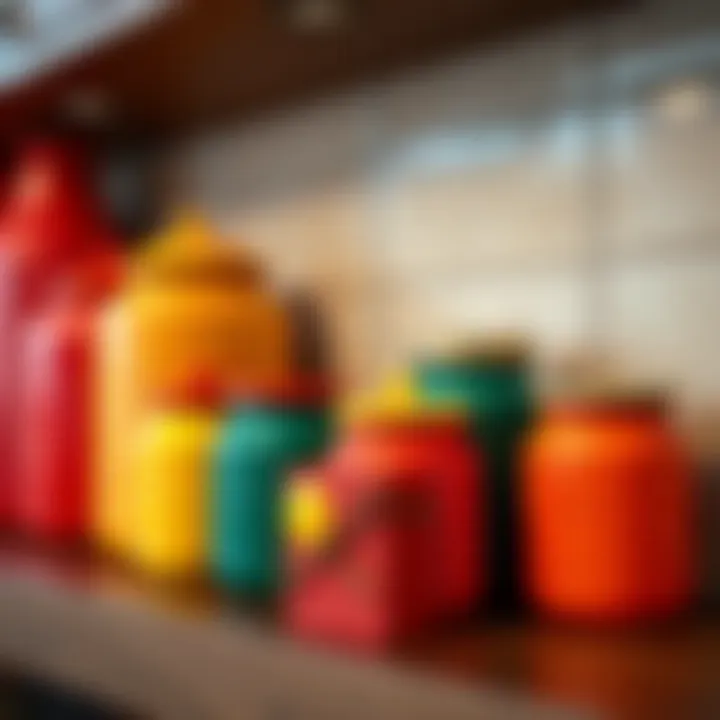
Incorporating bold colors can transform a bland kitchen into a vibrant one. The use of brightly colored jars captures attention and infuses energy into the space. A key characteristic of bold colors is their ability to evoke strong emotions and associations. Choosing strikingly hued jars can serve as focal points, drawing the eye and creating a lively atmosphere. The advantage of this trend is clear—you can easily express your personality and style. However, if not balanced carefully with other elements, bold colors can become overwhelming.
Unique Shapes
Unique jar shapes add an artful flair to kitchen decor. These eye-catching designs break away from the conventional, offering a playful twist on storage solutions. The distinctive contours can range from geometric to abstract forms, making them not just functional but also sculptural. A significant advantage of using unique shapes is their ability to catch attention and spark conversations among guests. Yet, the primary disadvantage could be practicality; some uniquely shaped jars may be harder to fit onto shelves or in cabinets.
Artistic Patterns
Artistic patterns offer a creative outlet for design enthusiasts looking to enhance their kitchen's character. These jars can feature everything from floral motifs to abstract designs, contributing personality to the kitchen. The main characteristic of artistic patterns is their ability to reflect the owner's tastes and interests, turning each jar into an individual work of art. This provides a striking advantage by allowing homeowners to showcase their personality through decor. On the downside, such intricately designed jars might clash with simpler design elements and can be challenging to coordinate with other decor.
Decorative jars serve more than just a purpose; they are visual storytellers that enhance the aesthetic of any kitchen.
By understanding these design trends, homeowners can effectively incorporate decorative jars into their kitchens, ensuring they not only look good but also feel good to be in. Whether it's a minimalistic approach or a vibrant explosion of personality, there is a decorative jar style to suit every taste.
Materials and Construction
Choosing the right materials for decorative jars is more than just a matter of aesthetics; it significantly impacts the functionality and longevity of these items in the kitchen. The material can dictate how the jars can be used, their visual appeal, and their overall durability. In an environment like the kitchen, often busy and subject to wear and tear, understanding the properties of different materials helps in making informed decisions that balance beauty with practicality.
Glass vs. Ceramic
When it comes to decorative jars, glass and ceramic are the two most prominent materials. Glass jars, for instance, offer a classic look that can fit seamlessly into various decor styles, from contemporary to vintage. They are typically non-porous, ensuring that colors and flavors of contents remain intact without contamination. A big plus for glass is its transparency, allowing one to easily see what's inside without having to open every jar in sight. However, the fragility of glass means they require careful handling and might not be ideal for households with young children.
On the other hand, ceramic jars bring a world of warmth and texture to the kitchen. They often come in vibrant colors or intricate designs, providing a more artisanal feel. While ceramic is more durable when it comes to insulative qualities and resisting heat, it can be heavier and more prone to chipping if not treated with care. Yet, they also offer a degree of personalization that many homeowners find appealing, particularly if the jars are hand-painted or custom-made.
Given these factors, the choice between glass and ceramic ultimately hinges on the particular use case and the overall design philosophy of one's kitchen.
Sustainable Options
As environmental consciousness grows, sustainable materials have gained traction in kitchen decor, including decorative jars. Utilizing sustainable options not only lowers one’s ecological footprint but also adds a unique character to kitchen spaces.
Bamboo
Bamboo is increasingly finding its way into kitchen design. This fast-growing grass is not just renewable; it's also incredibly strong and lightweight. A major selling point of bamboo jars is their natural resistance to moisture, making them suitable for a variety of uses—from storing dry snacks to housing fresh herbs. The natural aesthetics of bamboo also impart a serene element to the kitchen, evoking a rustic feel while maintaining a level of sophistication. One unique aspect of bamboo is its versatility; it can be shaped into various forms and combined with other materials for an eclectic look. However, it’s worth noting that bamboo may require regular maintenance to retain its finish, hence, careful care is needed to ensure its longevity.
Recycled Materials
Recycled materials present a fascinating alternative for those inclined towards sustainability. Items made from recycled glass or plastics help reduce waste and can be formed into stunning decorative jars. The standout characteristic is their diversity; no two pieces are alike. This uniqueness is often celebrated in artistic communities, as every jar made carries a story of rejuvenation. Furthermore, many recycled jars undergo processes that reinforce their durability, ensuring they stand the test of time in the bustling kitchen. On the flip side, the challenge may lie in finding high-quality recycled options, as not all products meet stringent standards. Depending on the source of the materials, their functionality and aesthetics could vary widely. Nevertheless, choosing recycled jars can be a rewarding decision, both for the planet and one's personal style.
Embracing sustainability in home decor not only enhances the visual appeal but also contributes to a healthier planet.
In sum, the materials used for decorative jars—from classic glass and ceramic to more innovative bamboo and recycled formulations—play a crucial role in both the style and efficiency of kitchen storage solutions. Each choice carries its own benefits and trade-offs, making it clear that a considered selection tailored to personal needs will have the most impactful results.
Incorporating Decorative Jars into Kitchen Design
Decorative jars serve more than just a functional role in the kitchen; they play a significant part in creating an inviting atmosphere. When incorporated thoughtfully, these jars can seamlessly blend utility with visual appeal. A well-placed decorative jar can not only provide storage but also contribute to the overall design narrative of the space. Their versatility makes them ideal for various kitchen styles, from modern chic to rustic charm. Here, we will explore how to effectively integrate these adornments in your kitchen, highlighting the benefits and considerations involved.
Countertop Arrangements
When it comes to arranging decorative jars on countertops, the key is to strike a balance between aesthetics and functionality. Positioning jars in a way that draws the eye without cluttering the space is essential. One popular strategy is to group jars of varying heights. This creates an appealing visual contrast and makes each jar stand out. You might choose to place larger jars at the back and smaller ones at the front, allowing for easy visibility while maintaining a delicate balance.
Using decorative jars filled with colorful snacks, herbs, or spices can add a pop of color to the kitchen. Imagine a clear glass jar brimming with vibrant pasta or a rustic ceramic jar housing homegrown herbs. Not only do these arrangements make for a great conversation starter, but they also offer quick access to frequently used items.
Shelving Ideas
Open Shelves
Open shelves have surged in popularity in recent years, particularly among homeowners and designers looking to create an open, airy feel in the kitchen. These shelves allow for easy visibility and access and encourage the use of decorative jars to enhance the overall design. A prominent feature of open shelves is their ability to showcase personal style; jars filled with grains, dried fruits, or homemade jams become part of the decor rather than merely being storage items.
One major advantage of open shelves is that they can be customized as per individual preferences. Homeowners can mix and match jar styles, colors, and shapes to create a unique look. However, it's crucial to consider the dust factor, as open shelves can require more regular cleaning than their closed cabinet counterparts. Given this, choosing jars with tight-sealing lids or smooth surfaces can make maintenance easier.
Cabinets
On the other hand, cabinets provide a sleek solution for incorporating decorative jars while keeping the space tidy. Utilizing cabinets to store jars allows you to organize your items without compromising on style. A strategic approach is to dedicate a section of your cabinets to display jars, perhaps with glass doors to maintain visibility while reducing dust accumulation. This setup can serve a dual purpose—keeping your kitchen looking polished while still allowing for a touch of personal flair.
The main benefit of choosing cabinets lies in their ability to conceal clutter and maintain a minimalist aesthetic. This can appeal to those aiming for a streamlined kitchen look. However, the challenge arises in ensuring that jars remain easily accessible for everyday use. A possible workaround could be placing frequently used jars in easily reachable spots while reserving taller or rarely used jars on higher shelves.
In summary, incorporating decorative jars into your kitchen design is a creative journey that involves both functional considerations and aesthetic sensibilities. Whether you opt for playful arrangements on open shelves or elegant setups within cabinets, the inclusion of decorative jars can considerably elevate the look and feel of your kitchen.
The right decorative jar could transform any kitchen space from ordinary to extraordinary.
By taking into account layout, style, and maintenance, you can make thoughtful choices that not only enhance functionality but also beautify the heart of the home.
DIY Projects with Decorative Jars
Embarking on DIY projects with decorative jars opens a treasure trove of opportunities for creativity and functionality in the kitchen. These jars, often viewed merely as storage solutions, can transform into art pieces that reflect personal style or seasonal themes. By engaging in DIY, individuals not only customize their kitchen decor, but also tap into their own sense of artistry and resourcefulness. This section dives into two exciting aspects of customization: Painting Techniques and Decoupage, followed by ways of Creating Functional Art.
Customizing Your Jars
Painting Techniques
When it comes to Painting Techniques, the flexibility it offers is unparalleled. This method allows for the jar’s designs to echo the overarching kitchen aesthetic or to stand out starkly as bold focal points. A key characteristic of this approach is its ability to transform mundane jars into personalized statements of creativity. Using chalk paint or acrylics can yield a frosted effect or vibrant colors, attracting attention and sparking conversation.
One of the advantages of painting is it’s surprisingly budget-friendly. You can easily purchase paint and some brushes without breaking the bank, making it an attractive option for those watching their wallets. However, the unique feature lies in the fact that painted surfaces can sometimes chip or scratch, which could potentially detract from the overall look if not properly maintained. Choosing paint that is durable and washing the jars carefully can help mitigate these disadvantages, resulting in beautiful pieces that last.
Decoupage
On the other hand, Decoupage stands as another compelling method of customization. This technique involves gluing paper cut-outs or other decorative elements to the jar, giving it a distinctive layered effect. A notable characteristic of Decoupage is its versatility; you can use napkins, scrapbook paper, or even fabric to embellish your jars, greatly expanding creative possibilities.
Decoupage is particularly popular because it lends a rustic, crafted feel to your jars, seamlessly integrating them into stylish decor. A unique feature of this technique is its ability to tell a story—whether it's through seasonal motifs or sentimental images, each jar can evoke memories and emotions. However, keep in mind that decoupaged jars may require additional sealing to protect them from moisture and wear, occasionally adding a step to the process but ultimately brightening up your kitchen with artistic charm.
Creating Functional Art
Creating Functional Art out of decorative jars allows for the perfect blend of utility and creativity. The beauty of this endeavor lies in not just beautifying, but also enhancing practical aspects of kitchen life.
Lighting Fixtures
When repurposing jars as Lighting Fixtures, you can truly showcase inventive designs. A key characteristic is how light transforms through glass, casting beautiful shadows and creating a warm ambiance. Using jars for this purpose not only provides functional lighting but also accentuates decor. An upside of this creative initiative is that it allows for a plethora of designs based on the jars used; for example, large mason jars can become striking pendant lights above an island or table.
However, it’s crucial to ensure compatibility with electrical components, as improper installations can lead to safety hazards. Careful planning and research can help in tackling these challenges while ensuring an impressive outcome.
Storage Solutions
Similarly, utilizing jars as Storage Solutions takes the functional aspect to a whole new level. The kitchen can often resemble a mad scientist’s lab with assorted items strewn about. Incorporating jars to organize supplies—like pasta, beans, or candies—offers a double benefit. Not only does it make for an orderly kitchen, but it also serves as a decorative display. One standout feature is the clear nature of glass jars; you can see the contents at a glance, making it a practical option for quick access.
On the downside, glass jars require careful handling to prevent breakage, and not everyone might prefer the transparency that clear storage entails. In this case, mixing in some ornamental lids or covers can balance visibility with style, proving once again that practical doesn’t have to compromise on aesthetic.
By engaging in DIY projects with decorative jars, you'll find it’s about more than just the outcome; it's about the journey of personal expression and enhancing the environment in which you live.
Seasonal Decorating with Jars
Decorating with jars according to the seasons not only refreshes your kitchen decor but also allows you to celebrate the changes in nature and tradition. Using decorative jars, you can display seasonal ingredients and themes that embody the spirit of each time of year. This flexible form of decor not only helps in beautifying your space but also serves various practical purposes. From storing ingredients to creating eye-catching displays, seasonal jars can transform a mundane kitchen counter into a vibrant celebration of life.
Holiday Themes
Incorporating holiday themes into your kitchen jars gives your cooking space a cozy and festive ambiance. For instance, using festive colors and themed decorations during holidays can provide an instant uplift to the space. You might find jars filled with ornaments, colored beads, or seasonal goodies like candy canes in December or small leaves and pumpkins in October. This approach removes the monotony in decor and also engages family members and guests alike, inviting a sense of warmth and inviting atmosphere.
Seasonal Ingredients Display
Fall Decor
When fall rolls around, the vibrant hues of pumpkins, apples, and deep oranges and reds invite a natural shift in kitchen decor. Incorporating jars to display dried leaves, mini pumpkins, or cinnamon sticks can evoke the essence of the season. The key characteristic of fall decor is its connection to harvest time, celebrating abundance and gratitude.
This choice stands out as especially appealing as it instills a sense of coziness and warmth. The unique feature of displaying these seasonal ingredients in jars lies in their ability to enhance the olfactory experience of the kitchen. The aroma of spices like cinnamon or nutmeg can activate memories and feelings associated with the autumn season, enriching the overall experience for those in the kitchen. Additionally, it presents the ability to easily switch out decor as the abundance from nature changes into winter.
Summer Refresh
As the heat of summer approaches, there's a call for brightness and freshness in the kitchen. Incorporating a Summer Refresh theme can involve utilizing jars for vibrant displays of herbs like basil, mint, or colorful fruits. The appeal here lies in capturing that sunny essence and the natural brightness brought by fresh produce.
Using jars for this purpose not only makes the kitchen more inviting and fresh but also practical, as herbs can be at hand to add flavor to dishes or refreshing drinks. One unique aspect is that this decor is not merely aesthetic; it promotes healthy cooking and eating. However, it comes with its disadvantages, as fresh ingredients have a shorter shelf life and require regular attention, otherwise they risk wilting quickly.
Purchasing Considerations for Decorative Jars
When it comes to decorating your kitchen, the choice of decorative jars is a significant aspect of the overall design strategy. Understanding purchasing considerations for these jars not only influences the aesthetic outcome but also enhances practicality in everyday kitchen use. Decorative jars can serve multiple purposes, whether it's showcasing ingredients, storing essential items, or simply doubling as art pieces on your shelves. Each decision made during the purchasing process reflects not just personal taste, but also the functional needs of your kitchen environment.
Budgeting for Quality
Setting a budget is a preliminary step that allows you to sift through your options without feeling overwhelmed. It’s important to strike a balance between cost and quality; high-quality decorative jars often come with a higher price tag, but they tend to be more durable and visually appealing.
- Lasting Investment: Investing in quality pays off in the long run. Cheap materials might save you a few bucks, but the risk of breakage or discoloration can render them a poor choice.
- Aesthetic Value: High-quality jars often feature unique craftsmanship, which can elevate the kitchen's overall look.
Before making a purchase, evaluate your budget thoroughly and decide how much you are willing to spend on decorative jars without compromising your finances elsewhere. Also, don’t shy away from exploring second-hand options or artisan markets, which sometimes offer exquisite pieces at reasonable prices.
Where to Buy
Local Markets
Local markets can be a treasure trove for anyone searching for decorative jars. These venues often feature handcrafted items that lend a unique flair to your kitchen, setting your decor apart from mass-produced items.
- Personal Touch: When you shop locally, you’re often buying directly from artisans. This allows for a personal connection to the items, making them all the more special.
- Supporting Community: Buying from local markets helps bolster the local economy.
However, it’s worth considering that the selection may vary greatly based on the market’s accessibility and inventory.
Online Retailers
On the flip side, online retailers offer a vast array of choices when it comes to decorative jars. The convenience of browsing from home can lead to finding exactly what you’re after, often with user reviews aiding in the decision-making process.
- Wide Selection: You can find everything from mass-produced jars to artisanal pieces, catering to all tastes and budgets.
- Comparative Pricing: Online shopping allows for easy price comparisons between different brands and retailers, ensuring you get the best deal possible.
Yet, beware of the potential downsides, such as shipping costs and the inability to inspect items physically before purchasing.
In summary, whether you choose local markets or online retailers, understanding the pros and cons of each can help frame your choices in the pursuit of decorative jars that enhance your kitchen design.
Caring for Decorative Jars
Maintaining the beauty and utility of decorative jars is crucial for ensuring they serve their purpose effectively while embellishing your kitchen. From keeping your ingredients fresh to being focal points in your decor, decorative jars need proper care. This section explores essential aspects of cleaning and maintenance, along with practical steps to prevent damage, ensuring your jars remain in prime condition.
Cleaning and Maintenance
Cleaning decorative jars is not merely about preventing dust or grime from accumulating. It’s about preserving the glass or ceramic surface that can sometimes crack or lose its shine if neglected. To maintain the integrity of your jars:
- Use the Right Cleaning Agents: It's wise to steer clear of harsh chemicals. Opt for gentle dish soap mixed with warm water. This balances effectiveness and safety, especially if you're storing food items in them.
- Avoid the Dishwasher: While it may sound convenient, many decorative jars, especially those made of ceramic or with intricate designs, can be damaged in a dishwasher. Hand washing is a better choice—gentle on the jar’s material and helps you avoid the risk of chipping.
- Dry Completely: After washing, let your jars air dry or wipe them down with a soft cloth. Moisture left inside can encourage mold, particularly in jars used for storage.
"A clean jar is not just better for aesthetics, it's essential for ensuring the contents inside remain uncompromised."
- Check Regularly for Residue: Ingredients can sometimes leave behind a sticky residue. For sticky spots, a mixture of baking soda and water can work wonders. Apply it gently with a non-abrasive cloth to remove any stubborn remnants.
Preventing Damage
To enjoy your decorative jars for years on end, prevention is better than cure. Damage can occur due to several factors:
- Temperature Fluctuations: Jars made of glass should be kept away from extreme heat or cold. A sudden change in temperature may cause them to crack. Find a cool, stable location in your kitchen to showcase them.
- Avoiding Heavy Bumps: It’s easy to set a jar down a bit too hard, leading to hairline cracks or breaks. When moving jars, do it gently and ensure surfaces are clear.
- Using Soft Cloths: When cleaning, use microfiber clothes or sponges that won’t scratch the surface. Textile fibers can catch tiny imperfections that could worsen over time.
- Storage Awareness: If you have a collection of jars, consider how you store them. Stacking jars can lead to scratches or breakage. Keeping them separated in a protective manner can go a long way in preserving their beauty.
By giving attention to both cleaning and protective measures, decorative jars not only enhance your kitchen aesthetics but can also function effectively for years. Thoughtful care is well worth the effort when it means enjoying beautiful and functional pieces for a long time.
Culmination
In this article, we have delved into the multifaceted roles that decorative jars play in kitchen environments. The importance of decorative jars goes beyond their aesthetic appeal. They serve practical functions, providing homeowners with the opportunity to organize and store various kitchen essentials while adding personality to the space.
One critical aspect of decorative jars is their capacity to merge form and function. For instance, canisters for spices or flour do not merely sit on the countertop as functional items but can be designed with artistry that echoes the overall kitchen decor scheme. This synergy significantly enhances the visual landscape, making the kitchen more inviting.
Moreover, the discussion highlighted how the diverse range of materials—be it glass, ceramic, or sustainable options—can influence both style and environmental considerations. By choosing the right materials, individuals can align their kitchen aesthetics with their values, promoting sustainability without sacrificing visual interest.
The article also emphasized practical tips for maintaining these jars, underscoring that the longevity of these decorative items is as crucial as their initial charm.
Ultimately, investing in decorative jars can transform a simple kitchen into a vibrant and organized space that speaks to the homeowner's tastes and lifestyle. This exploration is not merely about aesthetics; it's about enhancing the everyday experience in the heart of the home.
Final Thoughts
Decorative jars encapsulate the essence of kitchen design, merging functionality with beauty. Whether one is an enthusiastic DIYer or a seasoned interior designer, the insights shared here encourage thoughtful selections that reflect personal style while addressing practical needs. Remember, every jar not only serves a purpose but also tells a story, embellishing the kitchen with character and charm.