
Design Strategies for Round Tables and Space-Saving Chairs
Intro
In our fast-paced world where space often comes at a premium, round tables fitted with chairs that slide neatly underneath have become increasingly relevant. These designs not only maximize functionality but also add an element of elegance to various settings, from cozy homes to bustling cafes. Understanding the interplay between aesthetics and utility is crucial when selecting and integrating such furniture into any environment. This article delves into the intricate design strategies, innovative materials, and ergonomic considerations that homeowners, decorators, and designers should keep in mind.
Design Trends
The furniture landscape is constantly evolving, and in recent years, a few key trends have emerged that cater specifically to the integration of round tables and matching chairs.
Emerging Styles in Furniture Design
Round tables today are not only favored for their compactness but also for their aesthetic appeal. One notable trend is the minimalist approach. This design philosophy emphasizes simplicity, where the focus is on clean lines and functional forms. Many designers are opting for tables that boast sleek finishes and bare accents, allowing for chairs that complement rather than overwhelm.
Another emerging style is the bohemian chic trend, which embraces creativity and eclecticism. In this design, vibrant colors and mixed materials are common, encouraging a more relaxed and informal dining experience. Think cozy, inviting spaces that encourage conversation. Here, the round table often acts as a centerpiece, adorned with unique chair designs that reflect personal style.
Color Palettes and Material Innovations
Color plays a crucial role in furniture design, influencing mood and perception. Recent trends favor neutral palettes paired with bold accent colors—like deep greens or fiery oranges—adding playfulness while maintaining sophistication. The integration of sustainable materials is also gaining traction. This includes bamboo, reclaimed wood, and recycled metals, which provide not only durability but also a conscientious footprint.
Innovations in material technology have led to the development of new options like liquid wood and composite materials. These can enhance the durability of round tables while ensuring that they retain visual charm, fitting seamlessly in both modern and traditional environments.
Practical Tips
When it comes to integrating round tables with fitting chairs, being informed can make all the difference.
How to Choose the Right Furniture for Your Space
- Measure the Space: Before making any selections, it’s wise to measure your available area. Ensuring you don’t end up in a squeeze is vital. Allowing around three feet of clearance from walls or other furniture will help maintain flow.
- Style Consistency: Choose designs that harmonize. This doesn’t mean everything should match perfectly; rather, they should complement one another. For instance, if you select a rustic wooden table, a set of upholstered chairs might add an interesting contrast.
- Consider Use and Maintenance: Think about how frequently the space will be used. If it’s a high-traffic area, opt for materials that are easy to clean, such as leather or treated wood.
Maintenance and Care for Longevity
To keep round tables and chairs looking their best:
- Regular dusting and cleaning with appropriate materials can prevent wear and tear.
- For wooden finishes, a periodic application of polish can help maintain luster and protect against scratches.
- Avoid exposing surfaces to intense sunlight as it can lead to fading.
"Choosing the right furniture and maintaining it properly can transform a space, providing both functionality and style in ways that resonate with users."
In sum, delving into the nuances of integrating round tables with their compatible chairs requires a careful balance of design principles and practical considerations. Through a solid understanding of current trends, thoughtful material choices, and a clear vision of how to optimize space, anyone can enhance their environment significantly.
Understanding Round Tables
Understanding round tables is key to creating harmonious and functional spaces. These tables are more than just a piece of furniture; they play a crucial role in how we interact with others, organize our spaces, and establish the overall ambience of a room. The unique shape of round tables encourages conversation and cooperation, making them a popular choice not only in homes but also in commercial settings.
Their design offers several benefits. Firstly, round tables often maximize space more effectively than square or rectangular counterparts, allowing for better flow in a room. When paired with chairs that slide neatly underneath, they create an efficient use of space, an important consideration in today’s smaller living areas. When you've got a snug little dining nook, this feature can be a game changer.
A clear understanding of the historical context and features of round tables will enhance your ability to select the right fits for your needs, whether in a cozy home or a professional venue. So, let's delve deeper into how round tables evolved over time and the features that make them uniquely suitable for a wide range of applications.
The Historical Context of Round Tables
Round tables have been around for centuries, tracing back to medieval times. The circular shape was often used in banquets to facilitate conversation and create a sense of equality among guests. This design choice eliminated the "head of the table" hierarchy, promoting a democratic atmosphere. For example, King Arthur’s Round Table epitomized this idea, where everyone was seen as equal, creating camaraderie and collaboration.
Over the years, round tables have adapted to fit changing styles and preferences. From rustic farmhouse tables conducive to family gatherings to sleek modern designs suited for upscale dining experiences, the evolution reflects societal shifts and design innovation. The core element—community—remains unchanged, making these tables a timeless favorite.
Key Features of Round Tables
Shape and Size Variations
When it comes to shape and size, round tables offer remarkable versatility. They can be small and intimate for two people or large enough to seat a whole family. The key characteristic of round tables is their compactness, which often allows them to squeeze into tighter spaces that rectangular tables simply cannot fit. Consider a small kitchen layout; a round table can snugly fit into a corner, providing a cozy eating space without overwhelming the room.
However, there are a few things to keep in mind. While smaller round tables can create an intimate vibe, larger ones might need a bit of extra room around them for chairs—after all, comfort is key!
Design Aesthetics
In terms of design aesthetics, round tables shine in their ability to complement various interior styles. Whether you favor mid-century modern, farmhouse chic, or contemporary elegance, there’s almost always a round table design that fits seamlessly into the overall scheme. The smooth outline of a round table can soften hard lines produced by other furniture pieces, promoting a balanced aesthetic throughout the room.
A unique feature to consider is the variety of materials used in round table construction—from wood to glass. Each carries its pros and cons. Wooden tables, for instance, are often viewed as warm and inviting, while glass tables project an airy, open feel but may be prone to damage and fingerprints.
Applications in Different Spaces
Residential Uses
In residential settings, round tables serve as social hubs. They can be the centerpiece of family gatherings, casual breakfasts with friends, or even workspaces in smaller homes. One of the significant benefits is their adaptability; they can enhance a warm, inviting atmosphere in a dining area or transform a petite breakfast room into a welcoming nook.
Additionally, round tables foster a sense of community. The lack of corners encourages eye contact and conversation, making meals more enjoyable and gatherings more vibrant.
Commercial Applications
For commercial environments, round tables play a crucial role as well. Think cafes, restaurants, or co-working spaces where collaboration matters. Their flexible nature allows for quick rearrangements for events or busy dining hours, accommodating varying group sizes. They can be stacked or moved easily, especially when designed with practicality in mind.
Furthermore, they often convey a relaxed vibe, encouraging customers to linger longer—beneficial for business. However, it’s critical to balance this with the table size to ensure your space doesn’t feel cramped. Finding that sweet spot where functionality meets design is key to any successful commercial arrangement.
Chair Designs That Complement Round Tables
The harmony between round tables and their accompanying chairs cannot be overstated. The right chair designs play a pivotal role in not only enhancing the aesthetic appeal of a space but also ensuring functionality. This section examines the essentials of chair designs that are well-suited to round tables, highlighting specific elements, benefits, and considerations.
Importance of Functional Design
Functional design is indispensable when selecting chairs that complement round tables. It emphasizes practicality and usability, ensuring that each piece serves its purpose effectively.
Space Conservation
One of the standout aspects of space conservation relates to utilizing available space efficiently. In many settings, particularly small apartments or multifunctional commercial spaces, every inch counts. A chair that can slide neatly under a round table without gobbling up unnecessary space is a wise choice. These designs maximize floor space, allowing for smoother movement around the table and preventing clutter from forming.
The unique feature of space-conserving chairs lies in their bulkiness— or rather, their lack of it. Slim, lightweight frames paired with reasonable seat dimensions facilitate easy nesting beneath the table. This characteristic not only declutters the area but also contributes to a cleaner aesthetic. However, one must be cautious; too much emphasis on minimalism could lead to discomfort if the chair lacks adequate support.
Ease of Movement
When considering functional chair designs, ease of movement stands as a crucial characteristic. Chairs that glide effortlessly in and out for use are particularly beneficial in social scenarios where dining and conversations flow freely. This aspect contributes significantly to the overall goal of creating spaces that invite interaction and comfort.
A key attribute of chairs designed for ease of movement is a smooth, rounded base that allows for a gentle push without scraping the floor. Designs that prioritize this feature encourage flexibility—guests can shift around with less hindrance. Although these chairs might be less stable on uneven surfaces, such considerations can often be managed with strategic placement or the addition of floor pads.
Types of Chairs for Round Tables
The selection of chairs suitable for round tables expands into various categories, each with its unique advantages and drawbacks. Understanding these types aids in making informed design decisions.
Stackable Chairs
Stackable chairs are particularly advantageous in spaces that require flexibility and adaptability. Their primary feature is the ability to be stacked on one another, saving valuable storage space. In contexts where chair usage fluctuates— for instance, during events or gatherings— these designs enable easy setup and takedown, supporting the dynamic nature of social activities around round tables.
However, the practical aspect of stackable chairs does come with some drawbacks. While they save space, they may lack the comfort and aesthetic appeal of more permanent seating options. Homeowners looking for a balance between function and style might want to explore various colors and materials that elevate stackable chairs beyond mere utility.
Folding Chairs
Folding chairs present another diverse option for round tables, primarily appealing due to their inherent versatility. The ease of folding them away when not in use makes them a favorite for many households and communal spaces lining up for events. Their intuitive design means that they can adapt to both casual and formal environments, ensuring they fit a variety of occasions.
Yet, the duality of folding chairs might bring some challenges. They often compromise on sturdiness compared to stationary designs; prolonged use can lead to wear and tear. Consequently, individuals considering folding options should pay attention to their quality— investing in frames built from robust materials can mitigate some issues while extending longevity.
Custom Designs
One cannot overlook the allure of custom designs, which provide an opportunity to tailor chairs specifically to match the aesthetics and functionality of round tables. This approach opens doors to creativity, allowing designers and homeowners alike to play around with colors, patterns, and materials. Having chairs that seamlessly integrate with the table can foster a unified look that resonates with personal style.
A unique feature of custom chairs is their ability to address specific requirements. Whether it’s height adjustments, specialized ergonomics, or inventive shapes, customizing can lead to options that enhance the dining experience. On the flip side, bespoke designs can be considerably costly and time-consuming, a factor that should be weighed against the benefits of personalized seating.
Space Optimization Strategies
In the realm of interior design, especially concerning dining setups, space optimization plays a critical role. This is about more than just squeezing furniture into a room; it’s about harmonizing utility with comfort, ensuring every inch functions optimally without sacrificing style. This article will detail key strategies for optimizing space - primarily focusing on measuring, creating arrangements, and ensuring every piece fits well within your desired aesthetic and functionality.
Measuring Your Space
Determining Table and Chair Sizes
When embarking on the journey of choosing round tables and chairs, understanding dimensions is vital. Getting the right sizes of these pieces can drastically impact the atmosphere of the space. A key characteristic of selecting proper dimensions is ensuring that chairs can slide beneath tables while still providing immediate comfort during dining or gathering.
In your quest to pick the perfect sizes, bear in mind the functional aspect: chairs should ideally be 10 to 12 inches shorter than the table height. This difference makes it easy to tuck them away, promoting a clean look.
While popular choices lean towards tables measuring around 48 inches—enough for four to six chairs—adjustability is also crucial. The unique feature about these measurements is their flexibility. Adopting this kind of sizing could be beneficial for smaller homes or settings where space is at a premium, as it allows for easy rearrangement during gatherings.
However, if too small, the space can feel disjointed, and functional use becomes compromised.
Understanding Clearance Needs
Clearance space around furniture is another significant factor that plays into how well a space functions. The general rule of thumb is to leave at least 36 inches of clearance around the table so guests can move freely. But what's the real essence of this space?
This aspect of design is especially critical. It not only enhances general circulation but facilitates social interactions by making it easy to move around. In a practical sense, if there's adequate space, setting down dishes, moving chairs, and even decorating become simpler.
A unique advantage of understanding these clearance needs is the ability to maximize the area for convenience without feeling cramped. In small rooms, inadequate clearance might become a challenge, making the space feel cluttered rather than cozy—ultimately defeating the purpose of design efficiency.
Creating Versatile Arrangements
Incorporating Multi-Functional Furniture
Multi-functional furniture has garnered attention for good reason. In a world where urban living spaces often dictate the limits of size, multi-use furnishings allow homeowners to embrace flexibility. Using round tables that can serve as workspaces or multifunctional dining surfaces can enhance utility.
These types of tables, when paired with compatible chairs that fit neatly underneath, ensure that no area goes to waste. Imagine a space where a dining table can transform into a work desk with the simple addition of a laptop. This seamlessly incorporates an existing piece into everyday life, increasing its value.
However, rate of usage in these multi-functional aspects could sway toward over-reliance, resulting in decreased longevity as wear and tear come into play. It’s usually a tradeoff between versatility and occasional upkeep.
Adaptable Layouts
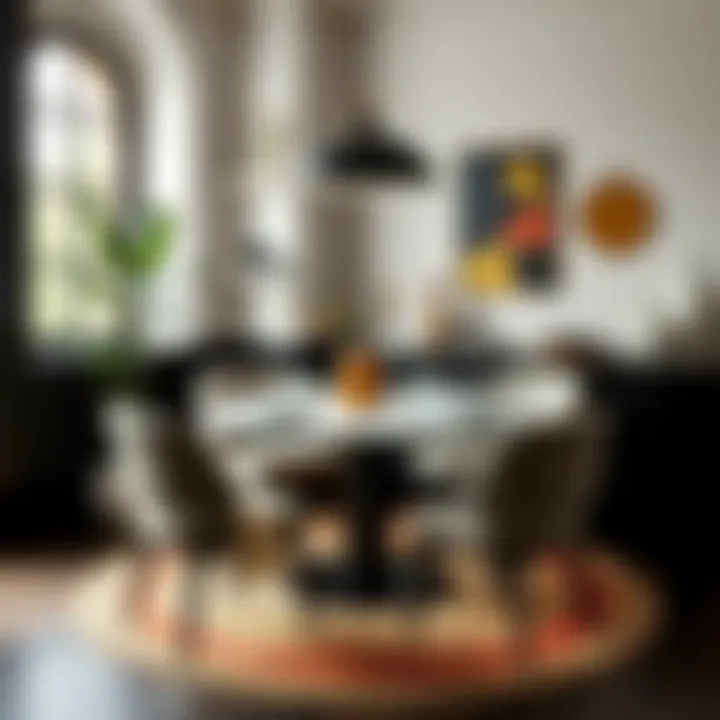
Next, the beauty of adaptable layouts should not go overlooked. An adaptable layout allows for ease of transformation within the space, aligning with changes in use over time. For example, consider how a round table can be perfectly set up for a cozy dinner or opened up for a larger event simply by moving around and accommodating more chairs.
The core advantage of utilizing adaptable layouts is their inherent capability to suit various needs. Those hosting a dinner party one day could be willing their space into a game night setup the next. The uniqueness lies in the room's fluidity, allowing components to serve more than one function.
However, an overly open or adaptable design can sometimes lead to difficulties in establishing a ‘homey’ feel; it risks resembling a venue more than a personal space, causing disconnection in functionality. Nevertheless, understanding the value of adaptability in layout can be empowering for homeowners who appreciate versatility in their surroundings.
"In furniture design, the beauty often lies not solely in aesthetics, but in how effortlessly a piece can elevate the everyday living experience."
Utilizing clear measurements, ensuring proper clearance, and creating multi-functional and adaptable layouts together compose a well-rounded strategy for maximizing the space of round tables and their matching chairs. When taken into consideration, these strategies enable fuller engagement with one’s living or dining spaces.
Material Considerations
When it comes to the successful integration of round tables with under-the-table chairs, material choices rank high on the list of importance. Not only do materials influence the aesthetic appeal of your furniture, but they also affect durability, maintenance, and comfort. In this section, we will delve into the various material considerations that come with round tables and their accompanying chairs. It's crucial to understand how the right materials can optimize your design choices, enhancing both form and function.
Durability and Maintenance
Selecting Durable Materials
Selecting durable materials for your round tables and chairs can be a game changer in both longevity and overall maintenance efforts. For instance, hardwoods such as oak or maple are often favored for their robustness and resilience. Another great option could be metal, which is particularly adept at resisting wear and tear. When choosing materials, consider the kind of use your furniture will undergo. High-traffic areas demand tougher materials.
The keen characteristic of these durable materials is their ability to withstand daily usage without showing sign of wear promptly. This makes them a wise choice for anyone looking for longevity in their home.
A unique feature of hardwood is its natural grain that can elevate the visual appeal of your furniture, making it not only functional but also beautiful. On the downside, certain wooden surfaces might need regular treatments to retain their sheen, while metal might run the risk of rusting if not properly finished. Thus, selecting durable materials translates to balancing aesthetics with practical longevity.
Cleaning and Care Guidelines
Cleaning and care guidelines are intrinsic when discussing material considerations. How a surface is cared for often determines how long it remains appealing and functional. For example, wooden surfaces require specific cleaners to avoid damaging the finish. Knowledge about the right cleaning solutions can maintain the longevity of the materials paramount to your furniture’s design.
A critical characteristic of effective cleaning guidelines is simplicity. Maintaining cleanliness enhances the visual aspect of your round tables and chairs while promoting hygiene, especially vital in dining scenarios.
The unique feature of having a consistent care routine lies in its potential to prolong the life of the furniture. Homeowners with busy lifestyles appreciate options that require less elbow grease. However, having to adhere to strict cleaning routines may not be everyone’s cup of tea, leading to potential neglect. Therefore, it’s beneficial to weigh the level of cleaning needed against your lifestyle precision.
Aesthetics and Texture
Choosing Complementary Materials
Choosing complementary materials is crucial in forming a cohesive interior aesthetic. A round table typically features smooth lines. Pairing it with textured fabrics or materials can create contrast, drawing the eye in and offering depth to the overall design. For instance, pairing a sleek marble table with upholstered chairs in rich velvet can merge luxury with functionality. The essential characteristic of complementing materials is how they interact visually. Harmonious color schemes and materials can enhance the ambiance of a space, making it congenial to gather around. This makes it not only a practical approach but also an artistic one. The unique feature lies in how thoughtful material choices can elevate the overall design, enhancing the customer’s experience. However, one must consider that trends in materials may also lead to a mismatched appearance if not planned properly.
Exploring Textural Combinations
Exploring textural combinations opens avenues for creativity in design. Using a combination of rough-hewn woods and sleek metals, for example, can accentuate contrast in a space. The interplay of different textures can create an inviting atmosphere that encourages both comfort and aesthetic pleasure.
A key characteristic of utilizing various textures is how they can evoke emotional responses in those who interact with the space. Textured elements can add warmth or even contribute to the modern feel depending on the combination. This consideration makes it a popular choice among designers who want to evoke specific moods.
The distinctiveness of combining textures stems from the tactile experience they offer, which can either enhance or detract from user experience based on the chosen elements. Individuals might feel overwhelmed with options and may find it challenging to strike a balance, but thoughtful selections can genuinely make a substantial difference in both style and comfort in their spaces.
In summary, material considerations for round tables and their accompanying chairs integrate both practicality and aesthetics. Selecting the right materials, understanding proper cleaning methods, and exploring textures can not only enhance the visual appeal but also contribute significantly to the overall functionality of your furniture.
Design Trends in Round Furniture
The integration of round tables and chairs that fit neatly underneath them touches upon several design trends that reflect not only aesthetic sensibilities but also practical usage. These trends help in making choices that are not only visually pleasing but also functional. Understanding such trends can guide homeowners, decorators, designers, and even retailers in selecting the most suitable elements for their spaces, ensuring a harmonious blend of style and utility.
Current Aesthetic Trends
Minimalism and Timeless Design
Minimalism is gaining traction among design enthusiasts because it emphasizes simplicity. The key characteristic of minimalism is to create a design that is stripped down to its essential elements, which in turn brings clarity and calm to the space. This idea of less being more resonates particularly well when selecting round tables and their accompanying chairs.
A noteworthy aspect of its charm lies in neutral color palettes and clean lines, which can serve as a canvas for personal expression while ensuring that the space feels open and uncluttered. Minimalistic design encourages the use of high-quality materials over mere decorative elements, leading to durable furniture choices.
The unique feature of minimalism is its adaptability. Whether in a small studio apartment or a large dining area, a round table with sleek chairs can create a cozy yet expansive feel. However, its focus on subtlety may come at a disadvantage, as it could make the space feel devoid of personality for those who lean towards bolder designs.
Eclectic Styles
Eclectic styles bring a refreshing approach by mixing various design influences. This trend showcases individuality and creativity, making it a popular choice for those looking to express their unique tastes. Eclectic designs allow the integration of diverse textures, colors, and forms, which can breathe life into an otherwise plain environment.
Identify the key characteristic of eclecticism as a bold ability to juxtapose designs that normally wouldn’t coexist. It can create vibrant interactions across different elements of decor. This makes eclectic styles incredibly appealing, especially for designers who aim to curate a space that tells a story or encapsulates a range of experiences.
One unique advantage of this style is its flexibility, allowing homeowners to keep furniture that holds sentimental value while incorporating modern pieces. Nevertheless, achieving a harmonious look can be a bit tricky, as it requires a discerning eye to ensure that different styles complement rather than clash.
Sustainability in Furniture Design
Eco-Friendly Materials
In today's design landscape, eco-friendly materials have emerged as a vital consideration. Their contribution to reducing environmental impact is remarkable, making them a favorable choice for those who prioritize both aesthetics and ethics. The key characteristic of eco-friendly materials is their sustainable sourcing, often derived from renewable resources or recycled products.
The adoption of such materials not only promotes environmental stewardship but also appeals to a growing demographic that values sustainability. Unique features like biodegradable properties or production with minimal waste make these materials even more attractive. However, the accessibility and price point of eco-friendly options may pose challenges for some consumers, complicating their implementation in everyday designs.
Sustainable Manufacturing Practices
Sustainable manufacturing practices encompass environmentally responsible methods used in the production of furniture. This aspect is essential as it aims to reduce waste and energy consumption during the production process. Being a trend that addresses the urgent calls for sustainability, this approach is becoming more prevalent among manufacturers, aligning with the demands of a conscientious market.
Key traits include the use of energy-efficient machinery and responsible labor practices, which contribute to a holistic approach to sustainability. Furthermore, opting for manufacturers that prioritize sustainability can bolster a brand's reputation and appeal among eco-conscious consumers. However, tracking and verifying sustainable practices can sometimes prove challenging for buyers who may find it difficult to discern genuinely eco-friendly brands from those merely adopting greenwashing tactics.
Ergonomics and Comfort
When it comes to furniture design, the aspect of ergonomics and comfort plays a pivotal role, especially for pieces like round tables and their companion chairs. It's not just about aesthetics but also about how a person feels when seated. Comfort influences the duration of use, productivity, and overall satisfaction in both home and professional settings. When these elements are right, furniture can improve productivity and enhance relaxation simultaneously.
Assessing Comfort Levels


Height and Seating Position
The height of chairs and tables directly influences how comfortable one feels when seated. If a chair is too low or too high in relation to a round table, it can lead to poor posture and discomfort over time. Research suggests that the average dining table is about 28 to 30 inches tall, which pairs best with chair seat heights of 17 to 19 inches. This configuration allows for a comfortable seating position where the knees can move freely under the table without feeling cramped.
One of the key characteristics of proper height and seating position is the ability to support natural body alignment. The beneficial choice for homeowners and decorators is to opt for chairs that respect this natural alignment, enhancing the dining experience. A distinct feature worth mentioning is the adjustable height option. Adjustable chairs can cater to different users, making them a popular choice in dynamic environments such as open plan offices or multifunctional homes. While they may come at a premium, the benefits often outweigh the costs, providing flexibility that standard chairs don’t offer.
Supportive Structures
Supportive structures in chairs refer to various design elements that contribute to user comfort, such as backrests, armrests, and cushioning. A well-designed chair will support the lower back, promoting better posture and reducing strain. This is especially critical in round tables where users may sit for extended periods, holding conversations or enjoying meals.
The key characteristic of supportive structures is their ability to provide stability and comfort. Choosing chairs with ergonomic backrests can greatly enhance comfort, making this choice perfect for gatherings or work-related meetings around round tables. A unique feature of these supportive designs is the contoured seat, which shapes to the body's natural curves. While a benefit includes improved comfort, a potential disadvantage might be that such detailed designs can sometimes lead to higher costs or increased weight.
The Relationship Between Chair and Table Design
Furniture is most effective when its components complement each other. Thus, creating a harmonious relationship between chair and table design can greatly enhance the overall space.
Matching Geometry
Matching geometry involves ensuring that the shapes of the table and chairs work together cohesively. This topic is particularly important when discussing round tables, as the circular shape offers a different dynamic compared to rectangular or square tables. The key characteristic of matching geometry is the visual appeal and ease of use—round tables often encourage conversation and interaction, and pairing them with chairs that have a similarly curved design can further enhance this experience.
This design choice proves to be beneficial for small spaces, as it may create a perception of more room. Chairs with rounded backs or soft angles can soften the overall feel of the setting. However, a downside might be difficulty in finding suitable matching sets, as most mass-produced furniture tends toward standardized more angular designs.
Balancing Proportions
Balancing proportions looks at the size relationships between chairs and the accompanying table. A round table that is very large necessitates equally substantial chairs to avoid disproportionate visual impact and maintain functional use. The key characteristic of balancing proportions is filling the space in a way that seems intentionally designed, rather than mismatched.
This approach tends to be favorable as it creates a harmonious environment. For instance, a broad round table paired with slight and dainty chairs can create a spectacle that feels off-balance, causing discomfort. The concept of proportion can also apply to color and material; matching these elements contributes to a coherent look that can elevate an otherwise utilitarian setup into an inviting area. However, while a carefully balanced look is aesthetically pleasing, achieving that in real life may require extra effort and sometimes custom solutions, which could drive up costs.
"Comfort is not just a feature of furniture; it's a necessity for daily life and functional spaces."
Creating designs that focus on ergonomics and comfort allows for more than just a place to eat or work, it fosters a space where people want to gather, collaborate, and thrive.
Practical Buying Guides
When it comes to selecting round tables and chairs that fit snugly underneath, practical buying guides can be your compass in this intricate maze of designs and options. They serve an essential role in ensuring that your choices align with both functional needs and aesthetic desires. Without proper guidance, one can easily make an impulsive purchase, only to later realize that the furniture doesn’t seamlessly integrate into the intended space. This guide will help steer clear of common pitfalls and enhance your shopping experience.
Evaluating Product Quality
Reading Reviews and Ratings
Reading reviews and ratings offers invaluable perspective for discerning consumers. It’s like peering through a window into the experiences of others who have walked the path before you. A key characteristic of this practice is that it provides direct insights into the durability, comfort, and overall satisfaction associated with specific products. Many shoppers lean on this approach, as it can highlight recurring themes or issues across different purchases.
However, it is crucial to remain aware of potential biases in reviews. Take note that not all reviews suffer from poor credibility, but rather understanding the broad spectrum of feedback equips one with a clearer picture of what to expect. This unique feature of customer feedback can either bolster or undermine a product’s reputation depending on the voices lending credence to those ratings.
"The most reliable reviews often come from verified purchases. If a review seems overly positive without any substance or specific details, treat it with caution."
Assessing Brand Reputation
The significance of assessing brand reputation cannot be overstated. Established brands often carry with them a legacy of trust and reliability. A solid brand reputation is a hallmark of quality that provides consumers peace of mind. Shoppers have a tendency to gravitate towards brands known for their craftsmanship and dedication to customer satisfaction, which makes this characteristic a favorable approach in selecting furniture.
One unique feature in evaluating a brand’s reputation is the wide availability of information online. Social media platforms and home decor forums provide a place for users to share their experiences and voice concerns. While many brands boast about their products, it is the customer feedback that ultimately reveals any shortcomings or strengths. Here, transparency can work in a buyer's favor if thorough research is conducted.
Finding the Right Retailer
Online vs. Physical Stores
The choice between online and physical stores can shape your shopping experience significantly. Each presents unique advantages and challenges. Online shopping allows you to peruse a multitude of options from the comfort of your home, which is particularly valuable when comparing price ranges and features of different tables and chairs. However, seeing a product in person can provide that tactile confirmation most consumers need before making a hefty investment in furnishings.
One key characteristic tipping the scales can be found in the ease of comparison online. Shoppers can quickly discover numerous options and read customer experiences with but a few clicks. On the flip side, physical stores allow shoppers to appreciate the nuances of design and look for fit, while also offering a social aspect that online shopping sometimes lacks.
Understanding Return Policies
Having a firm grasp on return policies is paramount. Furniture is a big investment; one wants to ensure they are protected should the need arise to return or exchange their purchase. A reputable retailer should offer clear and reasonable return policies, reflecting an understanding of the challenges that come with selecting the right pieces for your home.
The benefit of understanding return policies lies in their ability to provide confidence. Knowing you have options available if something doesn’t meet your expectations can take away some apprehension. A unique feature to watch out for is whether a retailer offers free returns or provides convenient return locations. This could save you both time and money, making it an essential consideration during the decision-making process.
Culmination: The Future of Round Tables and Chairs
The evolving landscape of interior design necessitates a deep understanding of how round tables and their accompanying chairs can harmoniously blend functionality and style. As previously discussed, the integration of designs where chairs fit seamlessly beneath tables is not just a matter of aesthetics; it’s about creating flexible and efficient living spaces. The discussion around this topic is relevant for various audiences, including homeowners, designers, and even retailers, all of whom are searching for solutions that maximize space without sacrificing beauty.
Emerging Trends to Watch
- Multi-Purpose Furniture: New designs focus on versatility. You'll find round tables that serve dual purposes, such as dining and workspaces. This trend appeals to a growing number of remote workers who need adaptable home environments.
- Sustainable Materials: There’s a push towards using eco-friendly materials in furniture design. Sustainable practices not only minimize environmental impact but also often lead to unique textures and finishes, thus enhancing the visual appeal of round tables and chairs.
- Innovative Form Factors: As designers explore new geometries, the shapes of tables are becoming more fluid. Expect to see asymmetric round tables that offer sociability in an unconventional way, breaking the mold of traditional forms.
- Smart Features: With technology advancing at lightning speed, resonance with connectivity is becoming a new norm. Tables equipped with built-in charging ports or adjustable heights are setting the stage for a future where functionality meets technology.
"The design of furniture like round tables and chairs is an ever-evolving process. What works today may not suffice tomorrow. Staying tuned in to trends ensures relevance and caters to the demands of modern living."
Final Thoughts on Integration
The integration of round tables and chairs requires a thoughtful approach that considers the overall design narrative of the space. When one walks into a room, the furniture should tell a cohesive story— a reflection of style, function, and comfort.
- Balanced Proportions: As highlighted in earlier sections, the relationship between table and chair design in terms of geometry and height is crucial. Ensuring they are in harmony not only enhances usability but also brings a sense of aesthetic satisfaction.
- Spatial Variability: With the rise of smaller living spaces, integrating round tables and chairs that can easily be tucked away when not in use is a no-brainer. This dynamic approach opens up flows within a room, accommodating various activities.
- Custom Design Options: Tailoring pieces to suit individual tastes and functional needs can significantly impact a space. Custom designs offer the ability to reflect personal style while still adhering to spatial limitations.
Ultimately, understanding how to effectively integrate round tables and chairs that fit underneath them is critical not only for aesthetic reasons but also for enhancing the functionality of a space. The future looks bright for this design duo, as innovation continues to pave the way for more creative and efficient furniture solutions.
For further insights into table and chair design trends, check resources like Wikipedia, Britannica, and even Reddit, which often provide a firsthand look into how consumers engage with these evolving styles. \n Integrating these considerations paves the path for smarter, more beautiful interiors.