The Art and Science of Single Wine Glasses

Intro
In a world that seems to favor experiences over mere possessions, the role of single wine glasses has become more pivotal. From lavish gatherings to intimate dinners, these seemingly simple vessels are not just a means to hold wine but also a reflection of culture, style, and individual preferences. Each glass tells its own tale, shaped by the hands of designers, the materials used, and, importantly, the people who choose them.
This article offers a comprehensive exploration into single wine glasses, focusing on their design, functionality, and psychological nuances tied to wine enjoyment. It embraces both casual sippers and wine aficionados, providing insights on how to choose the right glass, while also addressing sustainability concerns surrounding glass manufacturing. As we navigate through the intricacies of these elegant objects, we aim to shed light on trends that resonate with homeowners, decorators, and industry professionals.
In a time where wine drinking intertwines with aesthetics and personal lifestyle, understanding single wine glasses' complexities becomes an essential endeavor. From emerging design trends to practical tips for selection and care, this article engages in an eloquent discourse around the artistry encapsulated within each glass.
Preamble to Single Wine Glasses
In today’s world, where the enjoyment of wine often transcends mere consumption, understanding the nuances of single wine glasses is increasingly important. These vessels are not just containers but pivotal elements of the entire wine experience. The right wine glass can enhance aromas, improve flavor profiles, and even influence our perception of the wine itself.
Exploring single wine glasses prompts us to consider various factors like their design, material, and intended use. For homeowners and decorators alike, these glasses can serve as both functional tools and stylish decor. They can spark conversations, enhance the atmosphere of a gathering, or simply offer a moment of solitude while savoring a favorite pour. Whether you are sipping a robust Cabernet Sauvignon or a delicate Pinot Grigio, the glass you choose plays a crucial role in showcasing each wine’s unique characteristics.
"A good wine glass is not just a tool; it’s a key to a more profound understanding of wine."
Moreover, with the current trend towards personalization and customization, wine glasses have morphed into expressions of individual taste and identity. It’s no longer just about the wine itself, but about how and where it is enjoyed. By delving into single wine glasses, this article investigates the historical context, modern relevance, and much more, providing a thorough examination for anyone keen on enhancing their wine-drinking experience.
Historical Context
The journey of wine glasses spans centuries, beginning from simple clay vessels to the finely crafted crystal we see today. Ancient civilizations, such as the Romans and Greeks, utilized basic drinking goblets for their communal feasts, often made of materials like clay or metal. These primitive forms gradually evolved as glassblowing techniques improved around the first century AD.
The introduction of glass allowed for more intricate designs and thinner walls, enhancing not only aesthetics but also the drinking experience. In the Middle Ages, wine glasses became a symbol of wealth and luxury, often adorned with elaborate engravings or stained glass techniques.
By the Renaissance period, glassmaking had progressed significantly, leading to a variety of styles that catered to different types of wines. The iconic tulip shape, for example, came into vogue as it helped concentrate aromas, a feature that would become a staple in wine glass design.
Modern Relevance
In contemporary society, single wine glasses have achieved a status far beyond their functional role. With the rise of wine culture globally, being knowledgeable about the right glass for each wine type is now considered a sign of sophistication. Social media has further accelerated this trend, with visually appealing images of wine and glass combinations flooding platforms like Instagram and Pinterest.
Not only have designs evolved, but so too have consumer expectations. Shoppers now seek glasses that align with personal style and home decor. Factors like sustainability are increasingly significant, driving demand for eco-friendly options in glass production. Therefore, today’s wine glass offerings span a wide spectrum that includes traditional crystal, sustainable crafted glass, and even innovative designs using alternative materials.
The ongoing transformation highlights a blend of tradition and modernity—an intersection where history and contemporary tastes collaborate to create an enriched wine experience. By appreciating the evolution of single wine glasses, one can deeply understand their role not just as functional items, but as integral components of wine appreciation and culture.
Design Elements of Wine Glasses
When it comes to wine glasses, design transcends mere aesthetics; it plays a crucial role in enhancing the overall wine drinking experience. The way a glass is crafted—its shape, size, and color—can significantly influence the aroma, flavor, and even the perceived quality of the wine itself. Understanding these design elements can help homeowners, decorators, and wine connoisseurs alike make informed decisions that align with both practicality and style.
Shape Variations
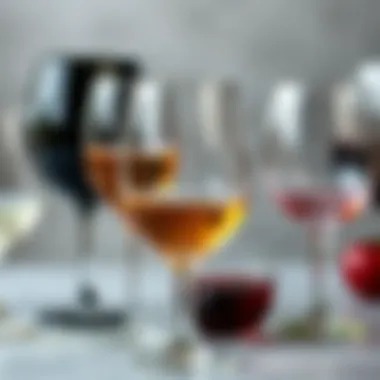
Shape is arguably the most critical element in wine glass design. It's not just about appearance; the contours of a glass can affect how wine interacts with air and how aromas are delivered to the nose. For instance, a classic red wine glass has a broader bowl that allows for aeration, giving the wine room to breathe and develop its full bouquet. Conversely, white wine glasses are typically taller and narrower, which helps maintain cooler temperatures and concentrates the delicate scents of the wine.
Different shapes serve various purposes:
- Bordeaux Glass: With a wider bowl, this shape enhances the bold flavors of Cabernet Sauvignon and Merlot.
- Burgundy Glass: Designed with a larger surface area, perfect for Pinot Noir, allowing its fine aromas to shine.
- Champagne Flute: Tall and narrow, ideal for sparkling wines, preserves fizz while allowing for a graceful aesthetic.
Each shape has its own advantages, and being aware of these nuances can elevate your wine tasting rituals significantly.
Size Considerations
Size plays a significant role in wine glass design, impacting everything from hand feel to the amount of wine it holds. Many enthusiasts argue that larger glasses enhance the wine experience, as they provide more room for swirling. A larger glass also helps trap aromas, increasing olfactory exposure, which is integral to tasting.
When considering size, one should take into account:
- The standard pour: Most wine glasses should hold about 6 to 8 ounces of wine; this gives enough space for aeration without overwhelming the drinker.
- Balance: A well-sized glass feels comfortable in hand. An overly hefty glass can deter enjoyment, while a too-small glass may come off as flimsy.
It's essential to find an appropriate size that corresponds with your drinking preference, aesthetic tastes, and the type of wine being served.
Color and Aesthetic Choices
Color and aesthetics tie into the overall experience of enjoying wine. The transparency of traditional clear glass allows drinkers to appreciate the color and clarity of the wine. However, modern trends have seen a rise in tinted or colored glassware, which can add a splash of style to any dinner table.
Considerations include:
- Textural Elements: Etched glass, for instance, provides an intriguing tactile experience that can complement the visual aspects of wine.
- Personal Style: Color options often reflect personal taste—ranging from minimalist crystal to bold, colorful designs that might sync with your home’s decor.
While drinking from a clear glass enables one to see the rich hues of the wine, aesthetic choices can set a mood that enhances the overall experience. Glass with distinctive designs can serve as conversation starters—blending function with art.
Material Selection
Material selection for single wine glasses is crucial, far beyond mere aesthetics. It directly influences not only the wine’s taste and your drinking experience but also the longevity of the glasses. Choosing the right material can enhance aeration, maintain the perfect temperature, and contribute to overall enjoyment.
With these glasses, one must consider factors such as clarity, brilliance, and durability. Some materials interact differently with wine, affecting both aroma and flavor. For instance, a well-crafted crystal glass might allow a wine’s nuances to shine, while a plain glass could dull the experience somewhat.
Glass Types: Crystal vs. Plain
When diving into the topic of glass types, the debate between crystal and plain glass is one everyone encounters. Crystal, especially fine lead crystal, is known for its clarity and ability to refract light beautifully. This kind of glass can add a sense of elegance to any occasion, especially when you're hosting a dinner party or a casual gathering with friends. Plus, it's often thinner than regular glass, facilitating a better wine tasting experience by not overshadowing the wine’s flavor.
However, there are important points to bear in mind. Crystal is generally heavier and can be more expensive due to the materials and craftsmanship involved. Some folks may prefer plain glass for its durability and practical nature, particularly if they're dealing with rowdy gatherings or want something lightweight for everyday use.
Ultimately, your choice will hinge on the context of use and, of course, personal preference. If you’re drawn to artistic elegance, you might lean towards crystal. On the other hand, if pragmatism speaks to you, a well-crafted plain glass will serve just fine.
Alternative Materials
Aside from traditional glass options, there’s an increasing interest in alternative materials for wine glasses. Some of these newer materials offer unique benefits that go beyond aesthetics. For starters, silicone glasses, rising in popularity for outdoor events, are virtually unbreakable and can keep robust wines from turning to ice too quickly in hot weather.
Another interesting choice is stainless steel. These glasses offer durability and insulation, providing a practical option for various settings—beach outings, picnics, or high-energy parties. They don’t chip or break easily, making them ideal for both casual and rugged use.
Bamboo and biodegradable materials are also gaining traction, focusing on sustainability. These options are appealing to eco-conscious consumers keen on minimizing waste. They may not boast the refinement of glass options, but they certainly hit the mark in terms of environmental responsibility.
In summary, material selection for wine glasses involves considering their impact on the drinking experience, the context of use, and sustainable practices. As the industry evolves, wine lovers are finding that they have a plethora of choices, each with its unique strengths and characteristics.
Functional Aspects of Single Wine Glasses
Understanding the functional aspects of single wine glasses is paramount, as these elements enhance the overall wine-drinking experience. Beyond aesthetics, the correct glass can significantly affect the aroma, taste, and temperature of the wine. This section delves into two critical features: aeration and flavor enhancement, as well as temperature control. By grasping these functional traits, homeowners, decorators, designers, and retailers can make informed choices when selecting glassware, promoting not just practicality but also enjoyment in the art of wine consumption.
Aeration and Flavor Enhancement
Aeration is a term that often pops up in wine discussions, but what does it really mean, especially when it comes to drinking wine from a glass? When wine is exposed to air, the compounds within it react, often leading to a more vibrant flavor profile. Different shapes of wine glasses can optimize this process. For instance, a bowl-shaped glass helps an older wine release its bouquet, while a narrower glass tends to concentrate the scents of a younger, more aromatic wine.
To give you a clearer picture:
- Bordeaux glasses, with their wide mouths, allow ample air contact for robust red wines, enhancing their bouquet.
- Tulip-shaped glasses—popular for white varieties—tend to focus aromas, making even subtle notes pop.
This kind of tailored aeration is more than just a fancy gimmick. It's about experiencing the wine as intended by the winemaker. Pouring a Cabernet Sauvignon into a glass designed for its characteristics transforms the drinking experience. The aeration can mellow harsh tannins and accentuate fruity notes, enhancing the drinker’s enjoyment.
"The right glass isn’t just about holding your drink; it’s about elevating your palate to new heights."
Thus, the importance of aeration should not be taken lightly. It's a fantastic way to juxtapose the age and style of wine—fostering an exploration of flavor that casual drinkers can enjoy as much as connoisseurs.
Temperature Control
Temperature plays an equally vital role in the wine experience. Wine is quite sensitive when it comes to temperature; serving it too cold or too warm can mask flavors or emphasize unwanted qualities. Proper glassware can aid in maintaining the ideal temperature suitable for each type of wine.
Here’s a closer examination:
- Red wines: Typically served at cellar temperature, which can be around 60-65°F. A wider glass allows for greater airflow, warming the wine slightly in the drinker's hand.
- White wines and sparkling varieties: Best kept cooler, generally between 45-55°F. Narrower glasses help maintain this cool temperature longer.
Using glassware that takes these temps into account maximizes enjoyment. A chilled Chardonnay served in a slender glass will keep its crispness, while a richer Merlot in a broader glass balances warmth and complexity.
In home settings, where serving conditions can vary, smart choices around glass types can make or break the experience. Really, for wine lovers, selecting a glass with appropriate thermal properties isn't just about practical use; it’s about ensuring the nuances and richness of the wine shine through no matter the environment.
In summary, the functional aspects of single wine glasses, focusing on aeration and temperature control, can transform the anticipated experience of wine tasting. These elements underscore the significance of thoughtful selection, fostering a deeper appreciation for wine across all drinkers.
Cultural Implications
When discussing single wine glasses, one might easily gloss over the intricate role they play within various cultures. This section aims to illustrate the significance and nuance tied to wine consumption practices around the globe. Each culture not only has its unique way of enjoying and presenting wine but also utilizes specific glass styles that correspond to its traditions and rituals. Understanding these cultural implications helps to deepen one’s appreciation of wine itself and enhances the overall experience.
Wine Glasses in Various Cultures
Wine glasses vary significantly from culture to culture, reflecting the diverse history and social norms surrounding wine drinking. For instance, in Italy, you'll often find balloon glasses used for red wines, which allow for ample aeration and emphasize the wine’s bouquet. Conversely, in France, the classic Bordeaux glass has a tapered opening designed to direct the wine to the right part of the palate, enhancing the tasting experience. This highlights a thought-provoking aspect:
Different glasses can significantly influence not just how a wine tastes but also how we perceive the drinking ritual itself.
Furthermore, in many Eastern cultures, wine is less about the drinking and more about social connection. In China, for example, glasses are often more functional; clear and simple glassware serves as a canvas for the color and clarity of the wine, facilitating conversation and shared enjoyment. Regardless of the specific style of glass, one cannot overlook the fact that the chosen vessel often communicates respect for the beverage and the tradition surrounding it.
Rituals and Symbolism
Rituals connected to wine drinking carry a weight that goes beyond mere consumption. Many cultures have developed traditions where the act of toasting with wine symbolizes goodwill and fellowship. For instance, during weddings in Greece, it’s customary to raise a glass of retsina while encapsulating the hope for a sweet and joyous marriage. The specific wine glass used in these occasions often becomes symbolic, representing unity and shared joy.
Tradition also dictates that in some cultures, the way wine is poured or the type of glass employed carries specific meanings. In Jewish culture, for example, the kiddush cup, often ornate, is used during Sabbath meals to signify sanctification and a moment of pause within bustling lives. The glass is not just a container; it’s a symbol of the sacred—an artifact used to celebrate life cycles and spiritual continuity.
Engagement with these rituals fosters a sense of belonging and evokes nostalgia, connecting individuals with generations past. Hence, the wine glass transforms from a mere object into a vessel of cultural significance, steeped in personal and societal meaning.
By appreciating these cultural implications, we can better understand that each time we lift a glass, we are also participating in a much larger dialogue—one that spans geography, time, and human experience.
Psychology of Wine Enjoyment
The psychology behind how we enjoy wine is a labyrinth of sensory experiences and emotional attachments. Wine is not merely a drink; it is an experience that engages all our senses and often touches emotional chords. Understanding this psyche allows for a deeper appreciation of both the wine and the vessel from which it is enjoyed. From the flicker of candlelight reflecting through the glass to the anticipation of aromas wafting in, every element plays a role in shaping our experience.
Impact of Glass Shape on Perception
The shape of a wine glass can transform how we perceive the flavor, aroma, and overall enjoyment. Each glass design is meticulously crafted to serve a specific type of wine. For instance, a Burgundy glass, with its expansive bowl, enhances the aromatic profile of fuller-bodied red wines, exposing them to more air. On the flip side, a narrow flute for sparkling wines preserves the bubbles longer, delivering a playful effervescence on the palate.
It’s not all about physics or chemistry, though; our mind plays its tricks too. When holding a finely cut crystal glass, one may subconsciously associate the experience with luxury and sophistication. Similarly, a heavier glass might evoke feelings of tradition and permanence, while a slick, modern design could trigger a sense of contemporary chic.
"A simple change in glass shape can lead to a seemingly different wine experience; our brain's interpretation is as impactful as the bottle itself."
- This statement highlights that the physical properties of a glass affect not only taste but also our emotional and psychological relationship with wine.
Expectation and Experience
Expectations often shape experiences, especially in the world of wine. When we enter a tasting, our mindset can significantly influence how we perceive the flavors and aromas. If one assumes a wine is exquisite because of a stunning glass or a prestigious brand, the psychological effect is powerful. This predetermined mindset often enhances the tasting experience, sometimes hanging on mere beliefs rather than the actual qualities of the wine itself.
Moreover, social contexts amplify these expectations. Sharing a bottle with friends or marking a milestone can coat the experience in sentimental nostalgia. The very act of pouring wine into a delicately designed glass elevates it; it becomes a celebration, not just a beverage.
In essence, our anticipations fuse with our sensory experiences, weaving together intricate layers of enjoyment and satisfaction. So, whether one is toasting with a carefully selected glass or simply indulging in an everyday favorite, it's essential to be mindful of how both the glass and state of mind contribute to the richness of the wine journey.
Selecting the Right Single Wine Glass
Choosing the appropriate wine glass can feel crucial, almost like selecting the right tool for a craftsman. It’s not just about aesthetics or whether it matches your decor. The right glass can enhance your drinking experience. A well-designed wine glass caters to the specific attributes of different types of wines, ensuring the flavors are accentuated and aromas are fully appreciated. Whether you're sipping a robust Cabernet Sauvignon or a delicate Pinot Noir, the right glass matters.
For Casual Drinkers
For those who enjoy wine casually, the quest for a perfect glass shouldn't be a daunting task. The primary goal is comfort and ease. Here are some elements to consider:
- Versatile Designs: Opt for a universal wine glass that can serve multiple types of wines. These glasses typically have a balanced bowl that suits various varietals, making them perfect for social gatherings or impromptu sipping.
- Sturdy Materials: Look for durable options like tempered glass. Casual drinkers often don't want to worry about delicate crystal. A sturdy glass can withstand the casual handling at picnics or family dinners.
- Comfortable Size: A moderate-sized glass can keep things simple. It should feel good in your hand while holding an ample pour without being too overwhelming.
"A casual approach doesn’t mean compromising on quality. The right glass can still elevate a simple wine night at home."
For Connoisseurs
For the discerning palate, the journey into wine appreciation is like an art form, where every element of the experience matters. Connoisseurs should focus on more specific elements that play into their nuanced understanding of wine:
- Specialized Glasses: Different types of wines benefit from specific glass designs. For instance, a Chardonnay glass will have a wider bowl and a narrower rim compared to a glass meant for Cabernet Sauvignon. This design allows nuances of each varietal to shine through, enhancing the drinking experience.
- Crystal Cut vs. Plain Glass: While more expensive, crystal glass can offer superior clarity and a more refined drinking experience. The materials and craftsmanship add an extra layer of sophistication that is often appreciated.
- Balance Between Aesthetics and Function: While visual appeal is important, a connoisseur will prioritize how well the glass shapes the drinking experience. It's about the harmony of form and function; ensuring each sip reflects the complexity of the wine within.
In summary, whether you're a laid-back sipper or a wine aficionado, selecting the appropriate glass goes beyond mere appearances. All the elements—shape, size, and material—play a key role in how wine is perceived and enjoyed.
Maintenance and Care
Caring for single wine glasses is not just about cleanliness; it's crucial for preserving their beauty and functionality. Proper maintenance enhances the experience of tasting wine, ensuring that each sip is as enjoyable as the first. Neglect can lead to etching, cloudiness, or even breakage, all of which can mar the incorporation of aesthetics with utility in your drinking experience. In this section, we will explore effective cleaning techniques and long-term storage strategies to safeguard your wine glass collection.
Cleaning Techniques
Cleaning single wine glasses might seem straightforward, yet it's an art in itself. How you maintain these delicate vessels reflects not just on your collection, but also on your appreciation of wine. Here are some solid techniques to keep your glasses sparkling:
- Rinse Before Washing: Always give your glass a quick rinse after each use to prevent wine residues from drying. It's a small step that can save you time in scrubbing later.
- Use Mild Detergents: Harsh chemicals can tarnish the finish. Opt for gentle liquid soap and avoid scrubbers that cause scratches.
- Hand Wash: Although it might seem easier to use a dishwasher, it's best to hand wash your wine glasses. Gently clean using soft sponges or cloths. This method allows for more intimate care.
- Dry Thoughtfully: Use a lint-free cloth for drying. Be sure to handle the stem carefully to avoid breaking it. If you're air-drying, position the glasses upside down on a clean towel to keep out dust.
- Spot Treatment: If you've got stubborn stains, try a mixture of baking soda and water to gently scrub away the grime without causing damage.
By following these cleaning practices, you ensure your wine glasses remain in top-notch condition, allowing every detail of the wine experience to shine through.
Long-Term Storage
When it comes to storing your single wine glasses, the manner of storing them impacts both their durability and functionality. Proper storage balances accessibility with protection:
- Positioning: Store glasses upright if they are durable and not prone to tipping. For more fragile designs, consider inverting them to prevent dust accumulation inside.
- Avoid Stacking: Stacking glasses on top of each other can lead to chips or cracks. Instead, use shelf dividers or separators to maintain space between each glass.
- Controlled Environment: Keep your glasses in a cool, dry place away from direct sunlight. Too much light can fade decorative elements and heat can compromise them.
- Humidity Control: Just as wine is best stored away from excess moisture, so are your glasses. A dehumidifier can help if you live in a humid area.
- Regular Checks: Periodically inspect your glass collection for any signs of wear and tear, even in storage. This habit ensures you address any issues before they escalate.
By implementing proper storage techniques, you not only prolong the life of your wine glasses but also maintain their elegance and usability. Consider these practices as part of your wine-drinking ritual, as every detail plays into the overall experience.
Sustainable Practices in Glass Production
The significance of sustainable practices in glass production cannot be overstated. Given the growing concerns surrounding climate change and environmental degradation, it has become increasingly crucial for industries, including glass manufacturing, to prioritize eco-friendly methods. The wine glass sector is no exception. In fact, the materials and processes utilized in glass production have far-reaching implications, influencing not only the product's quality but also the environmental footprint. This section explores some key components of sustainable practices, focusing on the benefits they provide and considerations necessary for their implementation.
Eco-Friendly Materials
The foundation of sustainable wine glass production lies in the selection of materials. With options like recycled glass becoming more prevalent, manufacturers can significantly reduce waste. Recycling glass not only cuts down on the energy required for production but also diminishes the demand for raw materials. Here are several eco-friendly materials gaining traction in the wine glass industry:
- Recycled Glass: Utilizing post-consumer glass significantly lowers the environmental impact. Not only does it require less energy to melt and reshape, but it also prevents usable glass from ending up in landfills.
- Bamboo Fiber: Some newer designs incorporate bamboo, an renewable material. Glasses made from bamboo composites offer a lightweight alternative that is biodegradable and non-toxic.
- Biodegradable Polymers: Advancements in material science have led to the development of glass-like alternatives made from plant-based materials. These options degrade naturally, minimizing long-term waste.
Using these materials not only addresses waste but also appeals to environmentally-conscious consumers. With a shift in focus toward the origins of what we consume, the materials used in wine glasses can serve as a bridge connecting sustainability with style.
Reducing Carbon Footprint
When it comes to production, every step matters. Reducing carbon emissions is essential for confronting climate change. Modern glass manufacturers are investing in energy-efficient technologies and alternative energy sources.
Some effective strategies for reducing the carbon footprint of wine glass production include:
- Utilizing Renewable Energy: Many glassmakers are adopting solar, wind, or hydropower solutions to reduce reliance on fossil fuels.
- Efficiency in Manufacturing: Streamlining the production process minimizes energy consumption. Innovations aimed at optimizing furnaces and cooling systems can greatly diminish CO2 output.
- Local Sourcing: Sourcing raw materials locally helps cut down on transportation emissions, all the while supporting local economies.
By implementing these approaches, manufacturers can significantly lessen their overall impact. As a result, environmentally-aware consumers can feel more confident about their choices when selecting wine glasses that showcase both style and accountability.
Incorporating sustainable practices is not just beneficial for the planet; it’s an opportunity for wine glass makers to innovate and resonate with a conscious customer base.
Through scrutiny of production practices, both designers and consumers can drive a paradigm shift in the industry, moving towards a more responsible future without sacrificing quality or beauty.
Trends in Wine Glass Design
The world of wine glass design isn’t just about utility; it reflects broader shifts in consumer preferences and cultural values. As more individuals become enthusiastic about wine, it's essential to stay abreast of current design trends. These trends not only influence how wine is served but also shape the overall aesthetic of dining experiences. The trends emphasize creativity, providing both functional and visual benefits in varying contexts.
Minimalist Aesthetics
Minimalism has become a popular aesthetic in various domains, including home decor, clothing, and, of course, wine glasses. The core idea behind minimalist design is to strip away the unnecessary and focus solely on the essential. In the realm of wine glasses, this often translates to clean lines, transparent materials, and a lack of excessive ornamentation.
- Simplicity Over Complexity: A minimalist wine glass allows the wine to take center stage. Without unnecessary distractions, wine lovers can appreciate its rich color and clarity. Common materials like crystal or high-quality glass are often selected for their sleek appearance, emphasizing elegance without flamboyance.
- Improved Versatility: Minimalist designs often come in shapes that are easy to pair with different dining settings, from casual gatherings to formal events. These wine glasses can seamlessly blend into various environments.
- Focus on Functionality: Minimalism often emphasizes functionality in its designs. More than just aesthetics, these glasses are engineered for optimal aeration and comfort when holding.
"In design as in art, clarity and simplicity resonate with the user; hence, minimalist glassware speaks volumes without shouting."
Creating a sophisticated atmosphere while keeping it simple allows wine enthusiasts to form a deeper connection with their beverage. Consumers seeking elegance without extravagance frequently gravitate towards these modern designs.
Customization and Personalization
With a focus on individual expression rising in various markets, customization has become a celebrated trend in wine glass design. This trend speaks to the consumers who desire their glassware to reflect their personalities or to serve specific functions.
- Engraved Personal Touches: Many brands now offer options to engrave names, logos, or meaningful quotes onto wine glasses. This personalization transforms a simple item into a treasured memento, making them ideal gifts for weddings, anniversaries, or other special occasions.
- Tailored Shapes and Sizes: Some manufacturers have begun to offer customizable shapes, allowing users to select designs that best fit their wine choice or personal style. A glass meant for bold red wines may differ significantly in shape compared to one intended for delicate whites. Tailoring glasses for specific varietals enhances not only the look but also the tasting experience.
- Unique Color Options: Customized wine glasses can now come in various colors and finishes, allowing a broader scope for personal expression. Whether a sleek matte black or a vibrant sunlit yellow, these choices enable individuals to curate their glassware collection according to mood or occasion.
This emphasis on personalization creates a deeper emotional connection to the glassware, transforming an everyday object into something cherished. For homeowners and designers alike, embracing such trends can make a significant impact on the overall ambiance of a space.
Finale and Future Outlook
As we reach the end of our exploration into single wine glasses, it is essential to reflect on how much these seemingly simple objects encapsulate. From their historical significance to the latest design trends, single wine glasses are not just vessels for enjoying wine; they serve as reflections of culture, craftsmanship, and the continual evolution of our drinking rituals. Their role has expanded beyond mere functionality, becoming statement pieces in home decor and symbols of refinement in fine dining.
Innovations on the Horizon
The future of wine glass design seems as promising as an uncharted vineyard waiting to blossom. Innovations are cropping up like wildflowers after the first spring rain. Here are a few noteworthy developments:
- Smart Glasses: With advancements in technology, smart wine glasses could soon capture data about temperature and aeration, sending the information straight to your smartphone. Imagine receiving a notice when your wine is at the perfect serving temperature!
- Sustainable Designs: As environmental consciousness grows, there’s a strong push toward creating wine glasses from recycled materials or using alternative manufacturing methods to reduce waste. Brands focusing on upcycling old glass can offer unique styles that tell a story, appealing to eco-conscious consumers.
- Modular Glassware: Customizable glasses that allow users to change their glass shape depending on the wine being served are being tested. Potentially, a single glass could adapt its form for red, white, or sparkling wines.
These innovations not only enhance the drinking experience but also show a sincere dedication to improving sustainability while maintaining style and functionality.
Integrating Tradition with Modernity
Amidst the whirlwind of new designs, there remains a deep appreciation for the traditional craftsmanship of wine glasses. This fusion of past and present is where the true beauty lies:
- Hand-Blown Techniques: Some modern designs still utilize hand-blowing techniques, an art form that has been passed down through generations. This practice lends a distinctive character to each glass, merging centuries-old skills with contemporary aesthetics.
- Classic Shapes with a Twist: Designers are reimagining classic shapes by integrating modern materials and colors. This allows for a nostalgic nod to tradition while appealing to a fresh audience looking for the extraordinary. A traditional Bordeaux glass might now feature vibrant, unexpected hues.
- Cultural Symbols: Elements of cultural significance can be incorporated into modern designs, using motifs that resonate with both history and current trends. This ensures that each glass tells a story, bridging the old with the new.
In this way, upcoming trends in wine glass design are not just about aesthetics but a holistic approach that respects craftsmanship while embracing innovation. As homeowners, decorators, and designers engage with these changes, they may find exciting ways to incorporate them into their settings, ensuring that a glass of wine is truly a celebration of history and future possibilities.
"Wine is constant proof that God loves us and loves to see us happy." - Benjamin Franklin
This exploration of single wine glasses highlights their significance beyond mere utility. Future advancements hold exciting prospects while respecting the traditions that have shaped this craft. It's a merging of styles and stories, reflecting the essence of the wine cultures that we cherish.