
Furniture Brackets: Essential Elements for Design Success


Intro
In the realm of furniture design, the unsung heroes often go unnoticed—the brackets and hardware that play a pivotal role in not only maintaining a piece’s structural integrity but also enhancing its overall aesthetic appeal. While many might overlook these components, understanding their significance can elevate your furniture creations, transforming not just individual pieces, but entire living spaces.
This exploration will provide insights into the myriad types of furniture brackets and the hardware that supports them. We will delve into how these items contribute to both functionality and style, marrying robust materials with sophisticated designs for both DIY novices and seasoned professionals alike. Armed with this knowledge, you can make informed decisions that lead to high-quality, visually stunning pieces.
Design Trends
Industry trends ebb and flow like tides, but some themes tend to stand the test of time. Let’s look at what’s currently trending in furniture design, with a focus on brackets and hardware, which are crucial for achieving a cohesive look.
Emerging Styles in Furniture Design
The contemporary furniture scene is rife with innovation. Minimalism continues to reign, characterized by clean lines and an emphasis on simplicity. In this context, discreet, yet stylish brackets are used to support open shelving, maintaining the aesthetic of lightness and airiness.
On the flip side, the revival of vintage and industrial designs showcases more robust and sculpted hardware. Think wrought-iron brackets that add an eye-catching ruggedness to wooden beams or shelves. These contrasts can offer an unexpected twist, appealing to those looking to marry modernism with a touch of nostalgia.
Color Palettes and Material Innovations
Color and material choices in furniture have evolved beyond traditional wood and metal. Palettes now encompass muted earth tones, jewel colors, and even vibrant hues. Consequently, hardware often reflects these choices as well. For instance, gold and brass finishes have surged in popularity, addiing warmth and sophistication to modern pieces. Advanced materials—like lightweight composites and eco-friendly options—have also become prominent, challenging previous notions around strength and durability.
"Innovative materials can redefine the possibilities in furniture design, bringing both sustainability and versatility to the forefront."
Choosing the right materials not only influences the visual appeal but also sets the foundation for how brackets and hardware can integrate seamlessly into furniture forms.
Practical Tips
Now that we’ve spotlighted design trends, let's get down to the nitty-gritty. When embarking on a furniture project, grasping how to select and maintain your components can make or break your design.
How to Choose the Right Hardware for Your Space
- Consider Weight Capacity: Whether you’re working with shelves or cabinets, examining the load your brackets and hardware will need to support is critical.
- Match Styles: Ensure that the style of your brackets harmonizes with the overall design of the furniture.
- Assess Finish and Colors: Brackets should complement the storied colors of the room while not sacrificing durability.
Maintenance and Care for Longevity
Keep a watchful eye on the connections and joints of your furniture. Regular checks can prevent issues before they arise. Here are some tips to maintain your furniture brackets and hardware:
- Clean regularly using appropriate materials to avoid buildup.
- Tighten screws and fittings periodically to ensure everything remains secure.
- For outdoors, consider weather-resistant hardware to withstand the elements.
In an ever-evolving landscape of furniture design, a thorough understanding of components such as brackets and hardware can indeed refine your approach, enhancing your projects’ quality and aesthetic appeal.
Prolusion to Furniture Brackets and Hardware
When looking at furniture—be it a simple shelf or an elaborate dining table—the sturdiness and design just don't pop up from thin air. They’re often the result of well-thought-out furniture brackets and hardware. These components provide not just the backbone of structural support but also play an aesthetic role that can either elevate or diminish a piece.
Without the right brackets or hardware, even the most beautifully designed furniture can become less functional. Imagine a floating shelf that droops under the weight of a few books; it’s a nightmare for both form and function!
The primary elements of this introduction include:
- Support: Furniture brackets serve vital functional roles like providing stability and support.
- Design Influence: The aesthetic choice influences overall interior design.
- Longevity: Quality hardware can make the difference between a fleeting fashionable piece and a timeless staple.
Understanding these elements is crucial for anyone involved in furniture creation or design. Homeowners care about how their space feels, and decorators, designers, and DIY enthusiasts strive to create environments that blend functionality with beauty. In a nutshell, without brackets and hardware, furniture merely exists as a collection of materials without purpose, tending to disappoint over time.
A keen understanding of the types, materials, and roles that these components play offers insights that directly impact the quality and livability of furniture. That is why it’s essential to examine furniture brackets and hardware in greater depth, illuminating their pivotal place within modern design and functionality.
"A chair ought to be like a friend. It ought to support you without being too intrusive."
— Anonymous
In the upcoming sections, we will delve deeper into the various roles that these components play, the types that are available in the market, materials commonly used, and some nifty tips for enhancing both the durability and aesthetic appeal of furniture through proper selections of brackets and hardware.
By laying out a strong foundation about the significance of these items, this article intends to equip you with the know-how to make educated choices, empowering your journey whether you are a seasoned designer, a enthusiastic DIYer, or an individual simply looking to improve their living space.
The Role of Furniture Brackets
Furniture brackets play a pivotal role in both the aesthetics and the functionality of furniture design. They are not merely functional components that hold structures together; they are essential elements that lend integrity and stability to furniture pieces. The use of brackets extends far beyond basic support; they can also enhance the overall visual appeal of the furniture, providing designers with a canvas upon which they can express creativity.
Definition and Purpose
At their core, furniture brackets are devices used to reinforce and support furniture structures. They can take on various shapes and formats, each designed for specific applications. The classic L-shaped bracket, for instance, is often found in shelving units, providing the necessary support to prevent sagging as weight is applied. Additionally, angle brackets offer diagonal support to enhance the stability of larger pieces like bookcases or tables where lateral movement could lead to toppling.
In other words, brackets serve as the unsung heroes of furniture construction, quietly assuring that our favorite pieces can handle the weight of our lives—be it the books we read or the electronics we enjoy.
Impact on Structural Integrity
The importance of furniture brackets cannot be overstated when it comes to structural integrity. An inadequately supported shelf or table can lead to failure, resulting in damage to both the furniture and its contents. This potential for failure underscores the necessity of selecting quality brackets that can manage the intended weight load.
For instance, using a low-quality plastic bracket for a heavy wooden shelf is like trying to use a toothpick to hold up a boulder. Both the materials and the design of the bracket must be considered carefully. Choosing metal alloys or robust wood for brackets can significantly increase the lifespan of the furniture piece.
"A solid piece of furniture is only as strong as its weakest component. Brackets lend strength where it matters most."
In terms of installation, ensuring that brackets are securely anchored into the wall or furniture frame will further improve stability. Over time, even minor undetected shifts can lead to catastrophe. The intelligent alignment of brackets with joists or studs can greatly enhance the load-bearing capacity of furniture.
In essence, the right brackets maintain the structural integrity of a piece, ensuring it remains safe and functional for years to come.
Types of Furniture Brackets
When it comes to furniture design, understanding the types of furniture brackets is fundamental. These brackets not only provide structural support but also play a pivotal role in enhancing the overall aesthetic appeal of pieces. Each type serves distinct functions and can be selected based on specific design needs, allowing for both beauty and durability in furniture creations.
Brackets
L brackets, often seen as the unsung heroes of furniture construction, are characterized by their simple L shape. These brackets are incredibly versatile and commonly used in a variety of applications from securing shelves to reinforcing corners. Their strength lies in their ability to offer considerable support without taking up too much space, making them ideal for tight areas.
Using L brackets can improve the stability of wooden pieces, particularly when constructing frames. They are made from varied materials including metal and plastic, each offering distinct benefits. Metal L brackets can handle heavier loads, which makes them suitable for larger furniture, whereas plastic brackets can suffice for lighter applications.
"L brackets are great for people looking to add sturdiness without ruining the overall look of their furniture."
Angle Brackets
Angle brackets are another crucial component for any DIY enthusiast or furniture designer. Their most common use is to support and reinforce joints at right angles, ensuring that furniture does not warp over time. Like L brackets, they come in a range of materials and styles, providing flexibility in design and application.
These brackets also contribute to the longevity of furniture. By anchoring joints firmly, they help maintain the integrity of the structure under daily wear and tear. Particularly in pieces exposed to weight, angle brackets can prevent sagging or weakening, which can be an eyesore and a safety concern.
In choosing angle brackets, one should consider the size and weight expectations of the furniture to ensure that the right bracket is selected for the job.


Shelf Brackets
When it’s all about creating functional wall space, shelf brackets step into the spotlight. They hold up shelves, allowing homeowners and decorators to maximize the use of vertical space, turning empty walls into storage solutions. Customizing shelf brackets by selecting different styles can enhance the room's decor while serving practical purposes.
These brackets come in various designs—from minimalist to ornate—and they're crafted from several materials like steel or wrought iron. The choice of shelf brackets not only ensures safety in supporting weight but also adds to the visual interest of a room.
When installing shelf brackets, it’s vital to properly space them and use the correct hardware to secure them effectively, as inadequate support can lead to accidents.
Corner Brackets
Corner brackets might lack the flair of other design elements, but their role in furniture design is irreplaceable. Typically employed to stabilize and support furniture assemblies, these brackets are placed in corners where two planes meet. They are especially critical in manufacturing cabinets or tables, where stability is paramount.
These brackets come into play to reinforce joints against lateral forces and can be found in various styles, from hidden varieties used in modern designs to exposed ones that enhance the aesthetic interest. By opting for corner brackets, designers ensure that their furniture withstands the test of time, maintaining its form and function far beyond its initial installation.
Materials Used in Bracket Manufacturing
The choice of materials for furniture brackets is not just a trivial detail; it significantly influences both the aesthetic appeal and practical functionality of the final product. Different materials have unique properties that can enhance strength, support, and longevity, making them pivotal in design considerations. Homeowners, decorators, designers, DIYers, and retailers alike must grasp the nuances of these materials to choose the best options for their projects.
Metal Alloys
When we talk about strength in furniture brackets, metal alloys often take the cake. Alloys, such as steel and aluminum, are widely used due to their remarkable strength-to-weight ratio. Steel, in particular, is synonymous with durability and is often selected for heavy-duty applications, where maximum support is paramount. In contrast, aluminum is lighter and resistant to corrosion, making it a versatile choice for furniture both indoors and out.
- Pros: High tensile strength, excellent durability, resistance to warping.
- Cons: Can be more expensive; specialized tools may be required for installation.
Using metal alloys can establish a robust foundation for various furniture pieces, from shelves to tables. However, the method of joining these metals—whether through welding, riveting, or bolting—can also affect overall performance, necessitating a thorough understanding of best practices in assembly.
Plastic and Composite Materials
While metal brackets dominate in strength, plastic and composite materials can't be shrugged off. They provide a lightweight, cost-effective alternative that suits specific applications well. Composites, such as glass-fiber reinforced plastic, offer enhanced strength and rigidity compared to standard plastics. These materials can be molded into various shapes, allowing for creative designs that may not be possible with metal brackets.
- Advantages: Lightweight, often less expensive, corrosion-resistant, and aesthetically versatile.
- Disadvantages: May lack the strength required for load-bearing applications and can become brittle over time.
Overall, they serve well in lighter furniture designs and are extremely popular in DIY projects where budget constraints are a reality. Understanding how to balance aesthetics with function is crucial when incorporating plastic or composite brackets.
Wood Variants
Wood has a timeless appeal that many designers are drawn to, and wood brackets are no exception. From traditional oak to more exotic species like mahogany, wood brings warmth and beauty into furniture design. However, the choice should also consider factors such as grain patterns and finishes, which can significantly affect the aesthetic cohesion of the furniture piece.
- Merits: Aesthetic beauty, easy to work with, can be custom crafted.
- Demerits: Susceptible to humidity and pests; may warp or split under stress.
Wood brackets are often used in vintage or rustic-themed settings, where their natural look enhances the overall ambiance. They can be more feasible for load-bearing applications than plastic, but less so than metal. Techniques like proper sealing and finishing can improve durability significantly, allowing wood to be both functional and stylish.
In choosing the right materials for furniture brackets, there's an interplay of function and creativity at play. Whether opting for the sturdy nature of metal, the practicality of plastic or composite materials, or the inviting charm of wood variants, understanding each material's characteristics is vital in the creation of furniture that is both beautiful and enduring.
The Importance of Hardware in Furniture Design
In the realm of furniture design, hardware isn't just an afterthought; it’s the backbone that supports both function and aesthetic appeal. When homeowners, decorators or designers embark on a new project, the choice of hardware can significantly influence the success of the final piece. These components shape how furniture performs, influences long-term durability, and affect how items are perceived visually. The truth is, quality hardware can sometimes be the difference between a mediocre and an extraordinary piece.
One of the primary roles hardware plays involves functionality. Selecting the right hinges, brackets, and fasteners can directly affect how smoothly a door opens or how stable a shelf remains. With well-chosen hardware, furniture can withstand daily usage without sacrificing performance. Anyone who's experienced the frustration of a sagging shelf knows how critical these details are. Moreover, opting for durable materials, like stainless steel hinges or anti-wear drawer slides, guarantees longevity and reduces maintenance costs down the line.
In addition, hardware contributes significantly to the visual narrative of furniture. Functional elements can also serve as decorative accents, enhancing the overall look of the piece. The choice between a contemporary brushed finish or a more traditional polished brass can set the mood for an entire room. When aimed for cohesion in a design theme, hardware choices become pivotal; mismatched colors or styles can clash sharply, detracting from otherwise well-executed designs.
Therefore, understanding the importance of hardware in furniture design is essential. It’s not merely about mechanics; it’s about forging a connection between utility and artistry. By choosing the right hardware, designers and homeowners can elevate their creations from ordinary to something truly remarkable.
"Design isn't just what it looks like and feels like. Design is how it works."
Functional Hardware Choices
When diving into functional hardware choices, one must consider that these elements are the hands-on parts of any furniture piece. From drawer slides to continuous hinges, the right functional hardware enhances user experience and ensures reliability. For instance, implementing soft-close mechanisms on drawers and cabinet doors not only adds a touch of luxury but also prolongs the life of the hardware by preventing slamming damage.
It’s also important to evaluate the weight and usage of the individual pieces. A large, heavy dining table might require robust corner brackets to support its legs, while a lightweight shelving unit could be adequately secured with lighter L brackets. Choosing hardware that matches the demands of the furniture ensures not just safety, but also operational ease.
Aesthetic Considerations
Aesthetics play a vital role in how hardware complements the broader design vision. Every piece of hardware holds the potential to serve as a statement or to fade into the background. Consider the styles af various handles and knobs; they can either clash or harmonize with a furniture piece's essence. For instance, in a mid-century modern setting, sleek, minimalist pulls can enhance functionality while aligning with design principles. Conversely, ornate aged brass knobs might steal the show in a vintage, bohemian setup.
In addition, color finishes can be customized to match the furniture’s existing palette or introduce a new contrast that pops. Whether it’s a matte black handle on a light oak cabinet or shiny chrome fixtures on deep-hued furniture, these decisions affect how the piece is perceived in its environment. Geometric patters on hinges or uniquely shaped brackets can also add a playful twist or accentuate sophistication, depending on the interior style.
Taking these aesthetic considerations into account can also guide choices in DIY projects. From upcycling old furniture to constructing new pieces, engaging with both functional and visual aspects yields better results in design efforts.
For further understanding of the relationship between furniture designs and their hardware, consider exploring resources on Wikipedia or insights on Britannica for detailed historical context.
Common Hardware Components
In the realm of furniture design and functionality, common hardware components play a pivotal role. They serve as the backbone of any furniture piece, ensuring it operates smoothly and maintains its aesthetic appeal. Selecting the right components not only enhances usability but also contributes to the overall longevity and stability of the furniture. When it comes to furniture, it’s not just about how it looks; it’s equally crucial to ensure it performs well under regular use. Therefore, diving into the essential hardware components gives a clearer picture of how they cost-effectively impact both functionality and design.
Hinges and Fasteners
These elements are much more than mere connectors; they define how furniture operates. Hinges allow for smooth movement, especially in cabinets and doors, while fasteners secure pieces together, maintaining structural integrity. Not all hinges are created equal, and choosing the right type is essential.
- Types of Hinges:
- Butt Hinges: Common in doors, offering strength and versatility.
- Piano Hinges: Best for continuous support, used in larger doors or lids.
- Concealed Hinges: For a clean look, often found in modern furniture.
Fasteners likewise come in different shapes and sizes. Choosing the right screws, bolts, and nuts facilitates easy assembly and enhances stability.
"Selecting high-quality hinges and fasteners can dramatically increase the lifespan of your furniture."
Handles and Knobs
Handles and knobs are the fine details that often get overlooked, but they are crucial to overall design and functionality. A handle isn’t just a functional part; it should harmonize with the furniture’s style and offer comfort during use.
- Types of Handles:
- Knob Options:
- Pull Handles: Common on drawers and cabinets for straightforward operation.
- Cup Handles: Often used for a vintage appeal, adding character to the piece.
- Round Knobs: Simple and effective for most furnitures.
- Square Knobs: For an edgier, contemporary touch.
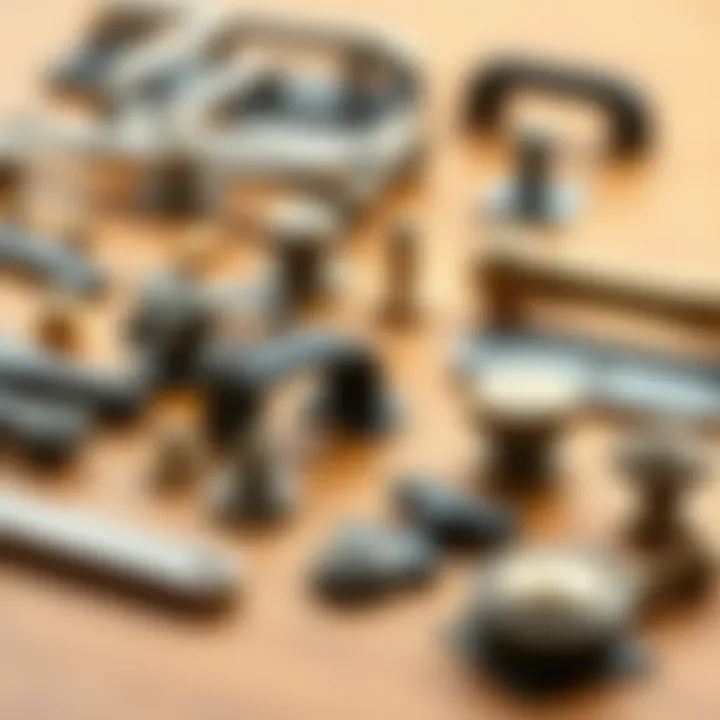
Match these elements to your project's theme—it can create a seamless flow from one piece to another, ensuring not just accessibility but also aesthetic appeal.
Drawers Slides
The performance of drawers depends significantly on the slides used. Quality drawer slides allow drawers to operate fluidly, making them an essential hardware component. When choosing slides, consider the weight of the drawer, frequency of use, and accessibility.
- Different Types of Drawer Slides:
- Side-Mount Slides: Attach on the sides of drawers, commonly used in dressers.
- Under-Mount Slides: Invisible when the drawer is closed, providing a clean look.
- Ball-Bearing Slides: Known for their smoothness and durability.
Selecting the right drawer slides ensures a sturdy build, making the drawers easy to open and close while reducing wear and tear over time.
In essence, overlooking these common hardware components could lead to frustrations with functionality and may also compromise the design integrity of the furniture piece. A thoughtful approach toward selecting hinges, handles, knobs, and drawer slides is vital for crafting furniture that is both beautiful and practical.
Assessing Quality and Durability
When it comes to furniture brackets and hardware, the importance of evaluating quality and durability cannot be overstated. These components serve as the backbone of furniture stability, heavily influencing both aesthetic appeal and structural integrity. By choosing high-quality materials and fixtures, homeowners and designers can avoid the pitfalls of frequent repairs or, worse yet, catastrophic failures, which may not only be inconvenient but also expensive.
With the right knowledge and tools, one can assess various hardware and bracket options effectively. Quality components not only last longer but also enhance the overall function and appearance of furniture. Not to forget, in an era where sustainability matters, long-lasting hardware contributes to a more eco-friendly approach—fewer replacements mean less waste.
Factors Affecting Longevity
Several factors influence the longevity of furniture brackets and hardware. Here are a few key considerations:
- Material Composition: The type of material used plays a pivotal role. Metal alloys may offer strength but can be susceptible to rust if not treated properly. Alternatively, high-grade plastics can withstand moisture yet might not match metals in load-bearing capabilities.
- Environmental Conditions: Exposure to humidity, temperature fluctuations, and even sunlight can affect the integrity of hardware. For instance, hardware used in outdoor furniture must resist corrosion, while indoor pieces need to endure differing temperatures and humidity levels.
- Usage Frequency: The intended use significantly impacts durability. Heavy-duty brackets suitable for daily use require different specifications than decorative brackets used for occasional exhibitions.
All these elements point towards a common thread: careful selection based on specific needs can greatly improve the longevity of brackets and hardware in furniture design.
Testing Standards
Testing standards for furniture hardware are vital in ensuring safety and performance under stress. Different organizations, like ASTM International and ISO, set benchmarks that manufacturers must meet, ensuring that the products are subjected to rigorous testing processes. These tests often involve:
- Load Testing: Assessing how much weight a piece of hardware can support before failure.
- Durability Testing: Simulating actual usage scenarios over extended periods to identify potential wear and tear.
- Corrosion Resistance: Evaluating materials in various environmental conditions to measure resistance against rust and degradation.
By adhering to these testing standards, manufacturers promote quality assurance which benefits both buyers and sellers. Choosing hardware that meets these criteria ensures not only compliance but also confidence in the product.
Installation Techniques for Brackets and Hardware
Proper installation of brackets and hardware is undeniably vital in ensuring that furniture not only looks good but remains functional over time. When brackets and hardware are installed correctly, they strengthen the integrity of furniture pieces. This reduces wear and tear, which is especially important for items subjected to regular daily use. Furthermore, thoughtful installation can enhance the aesthetic appeal, as well-placed brackets disappear into the design or highlight a specific feature.
In this section, we'll cover the pre-installation preparations, step-by-step installation instructions, and common pitfalls to avoid—all crucial elements for achieving a successful outcome.
Pre-Installation Preparation
Before diving headfirst into installation, taking time to prepare can save a heap of trouble later on. Here are several considerations to factor into your pre-installation checklist:
- Gather Tools and Materials: Having the right tools on hand can make all the difference. Typically, useful items include a drill, a level, a measuring tape, and a pencil for markings. Be sure to have the brackets and hardware ready as well.
- Read Manufacturer Instructions: Many brackets and hardware come with specific instructions that tailor to that particular product. Familiarize yourself with these to avoid misunderstandings down the line.
- Select Proper Location: It's paramount to decide where your brackets will be placed. Use a level to ensure that your marks are straight. Placing brackets in the wrong spots could lead to structural weaknesses or an uneven appearance.
- Assess Weight Capacity: Understanding the load that the brackets need to support is key. Each type of bracket has its own load capacity, which must be considered. For example, a shelf bracket might not support the same weight as an L bracket. Always overestimate the weight to ensure safety.
Step-by-Step Instructions
Once you've thoroughly prepared, it’s time to follow through with your installation. Here's a general process to guide you:
- Mark Your Measurements: Start by measuring and marking where you want to install the brackets. Use a pencil for precision—there’s no going back if you make a misstep here.
- Drill Pilot Holes: If you're securing metal brackets to wooden furniture, drill pilot holes where marked. Pilot holes help guide screws and reduce the risk of splitting the wood.
- Secure the Bracket: Align your bracket with the pilot holes and secure it using the appropriate screws. Ensure everything is snug, but don't overtighten, as this could strip the screws.
- Repeat as Needed: Continue this process with the other brackets, using the level often to ensure every piece is perfectly aligned.
- Final Check: Once all brackets are installed, do a final check to ensure everything is level and secure. Adjust if necessary before placing any load on the brackets.
Common Mistakes to Avoid
Even the most seasoned DIYers can run into snags when installing brackets and hardware. Here are a few mistakes to be mindful of:
- Skipping Measurement: Never skip this step; incorrect measurements can lead to skewed installations or needing to patch holes in the wood later.
- Ignoring Weight Limits: Each bracket type has a designated weight limit, ignoring this can lead to furniture disasters.
- Not Using the Right Fasteners: Not all screws or fasteners work for every bracket or material. Ensure compatibility before beginning.
- Neglecting to Level: Placing brackets without checking for levelness may cause looks that are pleasing only to the eye of the untrained.
Installation of brackets and hardware can seem trivial, but they play critical roles in the overall sturdiness and aesthetics of furniture. Getting it right from the get-go means you can focus on enjoying your furniture instead of worrying about whether it will hold up.
In summary, taking the time to prepare thoroughly and following the proper installation techniques elevates the quality and durability of any furniture piece. Avoiding common mistakes during the process will save both time and potential future repairs, allowing you to maximize both function and style in your designs.
Design Trends in Furniture Brackets and Hardware
Keeping pace with the evolving landscape of furniture design requires an understanding of the trends shaping the industry. In today's world, design and functionality go hand in hand, influencing how furniture brackets and hardware are approached. It's no longer just about utility; it’s a delicate dance of aesthetics, sustainability, and innovative solutions that cater to an ever-discerning audience. Whether you are an architect, a decorator, or a passionate DIYer, being attuned to these trends can significantly enhance not just the end result, but also the process of creating functional, stylish furniture.
Sustainable Design Practices
Sustainability is more than just a buzzword; it's becoming a cornerstone of modern design philosophy. For furniture brackets and hardware, this shift is notable. Designers are increasingly opting for materials that are recyclable, biodegradable, or sourced from sustainable means. Metal brackets often come with a better sustainability profile compared to their plastic counterparts, especially when crafted from recycled steel. This choice has a dual benefit: it minimizes environmental impact while also appealing to consumers who prioritize eco-friendliness in their buying decisions.
Moreover, sustainable practices aren't solely about material selection. The longevity of hardware components contributes significantly to sustainability. High-quality hinges, drawer slides, and brackets that withstand wear and tear reduce the need for frequent replacements, thus conserving resources in the long run. Think of it this way: if you invest in durable hardware, you're not just buying a product—you're securing future savings and lessening your ecological footprint.
Additionally, innovative techniques are emerging that promote sustainable practices. Some manufacturers now offer brackets made from bioplastics; that is, plastics derived from natural sources instead of petroleum. These products not only provide functionality but also align with a more sustainable ethos, appealing to the eco-conscious demographic.
Minimalistic and Functional Aesthetics
The trend towards minimalism isn't just about clean lines and simple shapes; it's about making intentional choices that yield maximum impact with minimal elements. In the realm of furniture brackets and hardware, this has led to the rise of sleek, understated designs that prioritize both form and function.
Consider the elegant simplicity of a contemporary L bracket—fewer visible screws, smooth finishes, and a design that complements rather than competes with the overall furniture piece. Such aesthetics appeal not just to designers aiming for a cohesive look, but also to homeowners yearning for sophistication in simplicity.
Functionality, however, does not take a backseat in this trend. Many modern brackets are designed with multi-functionality in mind. For instance, an L bracket can serve not just as support for a shelf but may also incorporate features such as cable management or adjustable height settings. This convergence of aesthetics and practicality is crucial; it provides users with elegant solutions that make their lives easier, breaking away from the traditional "form follows function" mentality.
The efficiency found in minimalistic designs sits well within contemporary trends, as it promotes accessibility and a clutter-free environment. Less can often be more, especially when every design element serves a purpose. Incorporating functionality into minimalistic hardware solutions exemplifies how designers are responding to consumer demand for smarter, more efficient furnishings without sacrificing style.
"We are not just designing furniture; we are curating experiences that align with our values and lifestyles."
Through sustainable design practices and the embrace of minimalistic aesthetics, the future of furniture brackets and hardware stands at a fascinating juncture, melding form, function, and environmental consciousness. The choices made today will indubitably shape the landscapes of our homes tomorrow.
DIY Projects Using Brackets and Hardware
When it comes to furniture design, the world of do-it-yourself (DIY) projects offers a unique avenue for creativity and personal expression. In this section, we'll explore how brackets and hardware serve not just as functional elements, but as catalysts for imagination. Utilizing these items effectively can make the difference between run-of-the-mill furniture and standout pieces that reflect a homeowner's personality and style.
Engaging in DIY projects using brackets and hardware is an increasingly popular way to enhance living environments. These hardware components can help not only in building or improving existing furniture but also in creating sustainable solutions that breathe new life into dated or damaged pieces. From repurposing old materials into chic shelving units to constructing custom furniture that fits a unique space, the benefits are plentiful. Here are some key considerations and advantages:
- Creative Freedom: DIY projects allow you to personalize design elements, making pieces that truly resonate with your aesthetic.
- Cost Efficiency: Often, buying materials and supplies for a DIY project can be significantly cheaper than purchasing ready-made furniture, especially for custom sizes.
- Sustainable Approach: Using brackets and hardware to upcycle can reduce waste, making for environmentally friendly projects that honor both materials and creativity.
- Skill Development: Engaging in these tasks hones both basic and advanced woodworking or assembly skills, empowering individuals to tackle larger projects in the future.


As you dive into DIY adventures, it’s wise to consider the specific types of brackets and hardware that match the desired outcome. Some may be looking for standard L brackets for simple shelf installations, while others might want to explore more intricate options tailored to support innovative furniture designs. The versatility of these components truly sets the stage for endless possibilities.
Creative Upcycling Ideas
Upcycling—transforming unwanted items into something of higher quality—has gained popularity as a sustainable and creative approach in furniture design. When it comes to brackets and hardware, they becomes essential tools in upcycling. Let's look at a few innovative ideas:
- Wine Crate Shelves: Use old wooden wine crates to create wall-mounted shelves. Secure the crates with robust angle brackets for support.
- Pallet Coffee Table: Old shipping pallets can become charming coffee tables. Add casters for mobility and reinforce joints with corner brackets.
- Reclaimed Wood Bench: Sturdy brackets can hold together pieces of reclaimed wood, forming a simple yet stylish outdoor bench.
Each of these projects involves basic knowledge of how hardware works, from fixing to securing, and it inspires creativity without the need for extensive tools.
Functional Home Improvements
Functional home improvements involve using brackets and hardware to enhance everyday utility while ensuring that designs remain stylish. Below are practical implementations where these components can shine:
- Floating Desks: Using shelf brackets, you can easily create a floating desk space. This is particularly beneficial in smaller rooms where floor space is limited. The floating design gives an airy feel, while brackets provide the strength needed to support the structure.
- Storage Solutions: Installing vertical shelving units using strong metal brackets helps utilize wall space effectively. Think about incorporating pull-out shelves or basket systems to optimize storage.
- Bed Frames with Built-in Storage: By using heavy-duty brackets, you can construct bed frames that have integrated drawers underneath. Not only does this save space, but it also adds functionality to any bedroom setup.
In closing, delving into DIY projects with brackets and hardware is not just an exercise in creativity; it's a means to connect with one’s living environment. Each project tells a story of resourcefulness and style, contributing to a more personal abode.
Choosing the Right Brackets and Hardware for Your Project
Choosing the right brackets and hardware forms the backbone of not only furniture stability but also its visual appeal. The significance of this selection cannot be understated, especially when the goal is to achieve both functionality and aesthetics seamlessly. Ignoring this aspect might lead to a furniture piece that looks good but lacks strength or, conversely, one that is structurally sound but visually unappealing. This section aims to shed light on the essential considerations and advantages tied to selecting suitable brackets and hardware for your project.
Assessing Your Needs
Before diving headfirst into the hardware aisle, it's crucial to take a step back and evaluate your specific requirements. Different projects call for different solutions. Not every type of bracket will suit every piece of furniture or design intention. Ask yourself the following questions:
- What is the primary function of the furniture? Is it primarily decorative, or does it need to withstand significant weight?
- Where will the furniture be used? Will it be in a high-traffic area or a quiet corner?
- What materials are you working with? Wood, metal, or a combination? Each demands different types of support.
By closely analyzing these factors, you can select the appropriate brackets that align not only with the functional demands of your project but also your desired aesthetic outcome. If you need to support heavy shelves, for instance, opt for L brackets constructed from sturdy metal. On the other hand, a lightweight decorative wall shelf may only need simple wood brackets.
Matching Aesthetics with Functionality
Once you've established your needs, the next step is to ensure that the brackets and hardware you choose enhance the overall look of your furniture while still serving their intended purpose. To perfectly marry aesthetics with functionality involves a careful balancing act.
- Material Matters: The raw materials you select should resonate with the style of your furniture. Metal brackets can lend an industrial touch, while wooden ones might evoke a rustic charm.
- Finish Counts: Whether you prefer a matte or glossy finish, this choice can elevate your project further. Polished metals may appear sleek, while distressed finishes can evoke a vintage vibe.
- Design Style: Don’t forget to consider the design trend you are following. Minimalistic designs might call for brackets that are subtle in nature, whereas more intricate designs could benefit from decorative brackets that add a layer of visual interest.
When these elements are taken into account, your furniture won't just stand the test of time; it'll do so while looking strikingly on-point. Achieving a harmonious blend of form and function is a hallmark of thoughtful design.
Remember: Quality and careful selection are key to ensuring not only the longevity of your furniture but also its overall appeal. Choosing wisely can take an average piece and elevate it to something remarkable.
By thoughtfully assessing your needs and synchronizing your brackets and hardware's aesthetic with their functional role, you'll set the stage for successful furniture creation.
Maintaining Your Furniture Hardware
Maintaining your furniture hardware is not merely a chore; it’s part and parcel of ensuring your furniture lasts and performs as intended. The hardware includes all those little bits that keep your designs functional—from hinges and drawer slides to brackets and fasteners. Maintaining these components can enhance aesthetic appeal, improve usability, and significantly extend the life of your furniture.
Proper upkeep allows for seamless function. Imagine one fine day trying to open a drawer only to find it stuck like molasses on a cold winter’s day. This not only affects accessibility but can lead to frustration and even damage over time. Moreover, well-maintained hardware can prevent costly replacements and repairs in the long run, making it a sensible investment.
Cleaning and Care Techniques
Cleaning your furniture hardware doesn’t take a rocket scientist, but it does require a little attention and the right approach. Keeping it spick-and-span will definitely pay dividends in function and appearance. Here are some effective cleaning and care techniques to keep in mind:
- Gentle Cleaners: Stick to mild dish soap mixed with warm water for metal or plastic surfaces. Use a soft cloth or sponge to wipe away grime. Steer clear of harsh chemicals; they might do more harm than good.
- Regular Inspection: Periodically check for rust or wear, especially for outdoor furniture or items in humid areas. Addressing minor issues early on can save you a heap of trouble later.
- Lubrication: For moving parts, a dab of lubricant can do wonders. Use a silicone spray or a dedicated furniture polish for hinges or sliding mechanisms. This will keep them operating smoothly and prevent corrosion over time.
"An ounce of prevention is worth a pound of cure."
Despite these simple steps, many homeowners overlook them. Spending a few minutes regularly maintaining your hardware can contribute to the longevity of your furniture, assisting both visual appeal and ease of use.
Repairing vs. Replacing Hardware
When it comes to furniture hardware, sometimes the question arises: should I repair or replace? Each choice has its own merits, but here are some key factors to consider that might help you make a more informed decision.
- Assessment of Damage: Evaluate the extent of damage carefully. If the hardware is bent but still functional, a good repair can breathe new life into it. However, if components are breaking apart or corroded to the point of no return, replacement is likely the better route.
- Cost Considerations: Weigh the expenses of repairing versus replacing. If you have to source specialized parts or if the repair doesn't guarantee reliable performance, investing in replacements may actually save you money down the line.
- Availability of Parts: For vintage or unique pieces, finding exact replacements can be a quest of its own. In such cases, repairing may be your only option.
- Aesthetic Matching: Sometimes, the new hardware just doesn’t match up to the original look. If aesthetics are crucial, a careful repair job can preserve that classic look, while a new part may not fit the bill.
In summary, the decision to repair versus replace hinges on various factors, including damage, cost, availability of pieces, and aesthetics. Making thoughtful choices in maintaining your furniture hardware not only preserves your investments but enhances the overall experience of your space as well. Through these maintenance practices, you protect not just the tools of function but the essence of design itself.
Future Innovations in Furniture Brackets and Hardware
The realm of furniture design is constantly shifting, propelled by the demand for styles that are not just visually appealing but are also efficient and sustainable. Future innovations in furniture brackets and hardware will likely play a pivotal role in this evolution. As the industry integrates new materials and technological capabilities, the possibilities expand for both function and form. This section delves into advancements that promise to redefine furniture brackets and hardware, ultimately enhancing user experience and pushing the boundaries of design.
Technological Advancements
In recent years, the furniture industry has started to embrace technology in ways previously thought impossible. One prominent example is the rise of smart furniture, where technology becomes an intrinsic part of functionality. Imagine brackets that can adjust automatically under varying loads or weather conditions, one might think it's straight out of a sci-fi film. Brands have begun to experiment with sensors embedded within brackets and hardware, providing real-time feedback on weight distribution and structural integrity.
Moreover, 3D printing is making quite the stir. This technique allows for the production of custom brackets tailored to specific designs and needs, offering unparalleled flexibility in design. The advantages are twofold: it reduces waste, and it makes it easier for DIY enthusiasts to create unique solutions right at home. The precision that comes with 3D printing opens doors to complex geometries and structures that traditional manufacturing methods couldn't easily achieve.
"Embracing innovation isn't just about staying ahead; it's about reimagining what furniture can do for us."
Another area where technology is making its mark is the integration of augmented reality (AR) in the design and installation process. With AR apps, designers and homeowners can visualize how different brackets and hardware would look in the actual setting before purchasing. This can drastically minimize the common challenge of mismatched aesthetics. Manufacturers also benefit as they collect customer feedback directly through these tools, tailoring future inventions to the market's needs more effectively.
Trendy Materials on the Horizon
When thinking about furniture brackets and hardware, most people might default to metals and wood as go-to materials. However, the future might well include a rich tapestry of innovative options. Sustainability is a cornerstone that many products are beginning to revolve around. Biodegradable materials such as bamboo composites and recycled plastics are gaining traction. Not only do these materials reduce environmental impact, but they also provide unique aesthetics that redefine modern design.
Graphene, a material notable for its strength and lightweight nature, is starting to attract the attention of the furniture world as well. When used in brackets, graphene's incredible tensile strength could allow for slimmer designs without compromising stability. This could continuously shift the paradigm of traditional furniture designs, offering a sleeker look.
Furthermore, hybrid materials that combine strengths from different sources are on the rise. For instance, a composite that marries metals with polymers could create brackets that are both durable and rust-resistant, addressing issues that have long plagued traditional choices.
The combination of these innovative materials not only enhances functional aspects but can lead to more visually appealing designs that stand out in an often saturated market. As trends evolve, we might see a redefinition of what practicality looks like, marrying form with functionality in unforeseen ways.
The exploration of new technology and materials indicates that the future of furniture brackets and hardware is ripe with possibilities, waiting for creative minds to grasp it.
End
In wrapping up our exploration of furniture brackets and hardware, it is crucial to grasp the importance of these components in the realm of furniture design and functionality. One could argue that they are the backbone, the unsung heroes, if you will, of any well-built piece of furniture. They serve more than just a utilitarian purpose; they add character, stability, and longevity to creations that adorn our spaces.
First and foremost, the structural integrity offered by appropriate brackets cannot be overstated. Brackets like L brackets and shelf supports lend significant reinforcement, ensuring that shelves don’t sag under weight or that joints hold firm over time. Consider how often we load our furniture to the brim—without proper support, a lovely walnut bookshelf could very well turn into a wobbly disaster. The bottom line: selecting robust hardware can mean the difference between a sturdy fixture and a costly repair.
Moreover, these components are essential for aesthetic outcomes. When chosen thoughtfully, they not only fulfill functional roles but also enhance the visual appeal of furniture. For instance, intricate corner brackets can act as decorative elements as much as they serve a functional purpose. It's a dance between form and function, where hardware contributes to the overall design narrative, subtly guiding the eye and enhancing the piece's character.
It’s also important to consider the evolving trends within the markets. Today, sustainable materials and innovative designs are becoming the norm. Adapting to these changes ensures that furniture pieces remain not only attractive but also environmentally conscious, which is an increasingly important consideration for many homeowners and designers. The look of brackets today can range from industrial metal finishes to sleek wooden variants, catering to diverse tastes and styles.
Let’s not forget DIY enthusiasts, who often seek ways to bring a personal touch to their furnishings. Understanding the fundamentals of brackets and hardware allows for creative expression. Whether it’s repurposing an old wooden table with new hardware or crafting a unique shelving unit, the possibilities are vast.