
Enhance Your Hallway with Functional Mirror Furniture
Intro
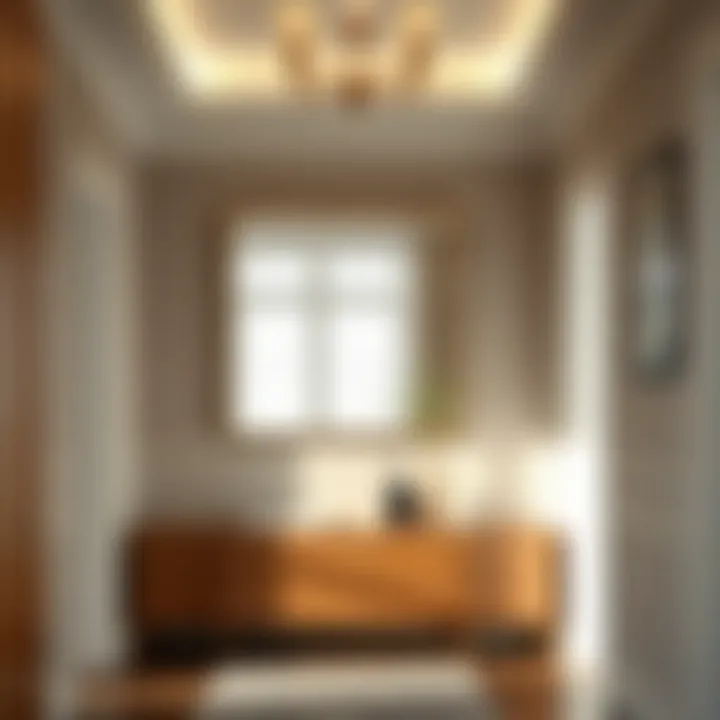
Hallways are often overlooked spaces, relegated to mere transit routes between rooms. However, when paired with cleverly chosen furniture and mirrors, these corridors can transform from drab to fab, serving both practical and aesthetic purposes. The strategic integration of hallway furniture can not only enhance functionality but can also significantly influence the ambiance of your entryway. Particularly, mirrors offer a unique ability to create an illusion of space, add depth, and reflect light, making narrow or dimly lit areas feel more open and inviting.
This article embarks on a journey through the exciting world of hallway furniture and mirrors. We will delve into innovative design trends, practical tips for choosing suitable pieces, and maintenance advice to ensure longevity. This blend of functionality and style serves homeowners, designers, and DIY enthusiasts alike, offering insights that facilitate the selection of furniture that beautifies and optimizes space. Let's explore how the right combination of elements can ensure a warm welcome to any home.
Design Trends
Within the realm of interior design, hallway furniture paired with mirrors has been evolving. Rather than simply selecting items that serve a singular purpose, modern designs focus on versatility and style, enhancing visual interest within entryways.
Emerging Styles in Furniture Design
There is a noticeable shift towards multi-functional furniture pieces in hallway design. For instance, sleek console tables that double as storage solutions allow for the stowage of keys, bags, or mail, creating a clutter-free environment. Furthermore, the trend of floating shelves has gained popularity, providing an uncluttered aesthetic while offering a surface area for decorative elements or practical items. Those looking to make a statement often opt for bold designs that stand out, such as artisanal-made furniture with intricate carvings or unique geometric shapes.
Color Palettes and Material Innovations
Colors play a pivotal role in setting the mood of a hallway. Warm neutrals, deep jewel tones, and vibrant accent pieces have emerged as favored choices among decorators. These tones, particularly when coupled with natural materials like reclaimed wood, metals, or glass, create an inviting atmosphere.
Mirrors, on the other hand, are not merely reflective surfaces. They often feature frames that complement hallway furniture, whether sleek metallic finishes or rustic wooden borders. Innovations in material technology also allow for increased durability and unique designs that were unavailable in past decades, making mirrors an excellent choice for practical as well as decorative use.
Practical Tips
To navigate the often overwhelming choices in hallway furniture and mirrors, here are some helpful pointers to consider.
How to Choose the Right Furniture for Your Space
When selecting furniture for your hallway, consider dimensions, functionality, and style. Measure the space carefully to determine the size of items that can be accommodated without encroaching on functionality. Compact pieces like slim benches or chairs can work well, especially if they include storage compartments.
In addition, choose pieces that resonate with the overall style of your home. If your interior leans towards modern minimalism, opt for clean lines and muted colors. For a more traditional space, consider ornate details and rich woods.
Maintenance and Care for Longevity
Maintaining your hallway furniture and mirrors is crucial for longevity. Dust surfaces regularly and check for any signs of wear. Mirrors should be cleaned with gentle glass cleaners, avoiding harsh chemicals that can damage the frames. If your furniture is made of wood, periodic polishing can help maintain its luster and protect it from moisture.
"Choosing the right hallway furniture and mirrors is not an end in itself; it's about creating an entryway that resonates with warmth and style."
Investing thought into the selection and upkeep of these items can drastically enhance the experience of entering your home.
Understanding Hallway Furniture
Hallway furniture plays an essential role in transforming a simple entryway into a space that is both welcoming and functional. This area of the home, often overlooked, serves as the first impression for visitors and reflects the homeowner's style. Incorporating furniture within these narrow confines isn’t just about aesthetics; it’s about strategically utilizing space to enhance daily functionality.
Definition and Importance
Hallway furniture refers to a variety of functional items like console tables, coat racks, and cabinets that occupy the entryway. These pieces should be well thought out, serving multiple purposes beyond mere decoration. For many, the entrance acts as a transitional space, bridging the outside world to the comforts of home. Therefore, thoughtfully selected hallway furniture can significantly influence not only the visual appeal but also the practical use of this often cramped area.
- Maximizing Functionality: Having dedicated space for keys, shoes, and outerwear keeps clutter at bay. A well-placed console table can double as a catch-all for mail and other essentials, reducing chaos before entering the home.
- Creating Ambiance: The right furniture sets the tone for the entire house. Whether it’s a traditional rustic piece or a sleek modern design, the choice of hallway furniture can create an inviting atmosphere.
- Boosting Space Perception: Furnishing small areas can sometimes make them feel cramped. However, when paired with reflective elements like mirrors, the perception of space can be enhanced. Mirrors can create an illusion of depth, making the hallway feel larger and brighter.
Traditional vs. Modern Designs
The landscape of hallway furniture has evolved considerably, showcasing a spectrum of designs that cater to diverse tastes and practical needs. Understanding these differences can aid homeowners in selecting the right pieces for their space.
- Traditional Designs: Classic hallway furniture often features rich woods, ornate carvings, and a timeless elegance. Pieces like heavy wooden closets or elaborately designed coat racks draw on craftsmanship and historical influence. These furnishings often provide ample storage and can incorporate detailed mirrors adorned with intricate frames, enhancing their old-world charm.
- Modern Designs: In contrast, modern hallway furniture focuses on clean lines and minimalism. Materials like metal and glass are popular, catering to the sleek, contemporary vibe many seek today. These minimalist pieces might combine dual functionality, such as a sleek console table with built-in storage, thus eliminating unnecessary clutter while appearing stylish. Mirrors in modern settings are often frameless or with minimalist frames that add a touch of sophistication without overwhelming the overall design.
Choosing between traditional and modern designs is ultimately about aligning the hallway furniture with the overall style of the home, while also considering how it can serve everyday needs.
"A well-styled hallway does more than guide your guests; it offers a sneak peek into your home’s unique personality."
The Role of Mirrors in Interior Design
Mirrors hold a unique place in interior design. Their role extends beyond mere reflectiveness; they serve as a tool to enhance the overall ambiance and functionality of a space. Particularly in hallways, where space can feel limited, mirrors can significantly transform the atmosphere. They help create a sense of openness and depth, which is crucial for entryways that often serve as transitional areas facing multiple functionalities.
In the world of design, it's important to consider not only the aesthetic appeal of mirrors but also the psychological effects they can have on occupants. When strategically placed, mirrors can influence how one perceives space, lighting, and even one's own presence in that environment.
Psychological Effects of Mirrors
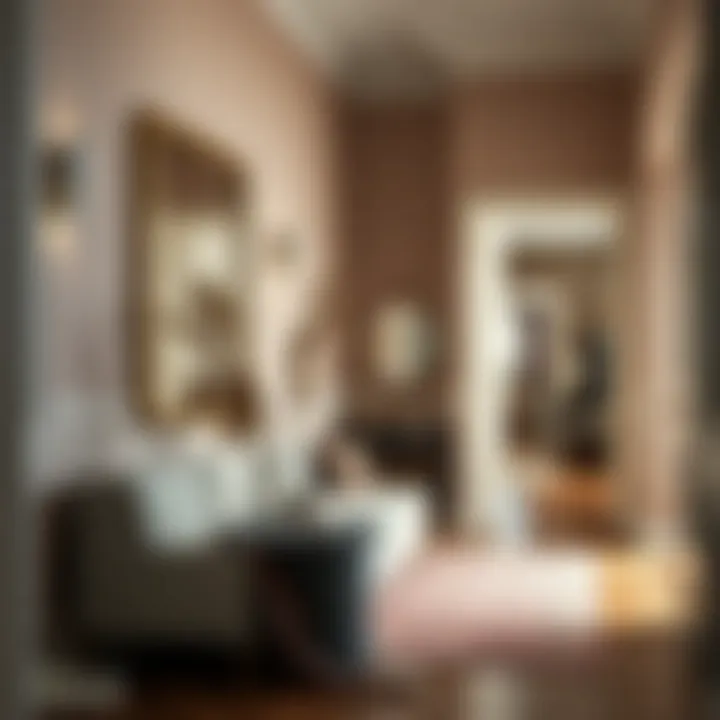
Mirrors are more than just decorative elements; they have notable psychological effects that can impact the way people interact with their space. For instance, the simple act of seeing one's reflection can provoke feelings of confidence and positivity. In a hallway, which is sometimes overlooked as merely functional, a well-placed mirror can elevate the mood of anyone entering the space. It's almost as if the mirror acts like a warm greeting, providing a boost before one steps further into the home.
In terms of psychological perception, mirrors contribute to an enhanced sense of spaciousness. They trick the eye, creating an illusion of depth and making the hallway seem less claustrophobic. If you've ever walked through a narrow passage and felt boxed in, a strategically positioned mirror can counteract that feeling. It’s particularly vital for smaller hallways, as it helps maintain a comfortable atmosphere while maximizing perceived square footage.
Additionally, mirrors can also invoke a sense of symmetry and balance, creating a more harmonious environment. A well-chosen design that incorporates mirrors aligns not just with aesthetics but impacts emotional well-being. Having a mirror to glance at while putting on shoes or checking oneself before heading out can make daily routines feel much more grounded.
Enhancing Light and Space
One cannot underscore enough the significant role mirrors play in enhancing both light and space within interior environments. In dimly lit hallways, mirrors act as reflectors, bouncing light around, thereby illuminating darker corners. This property makes them invaluable in spaces where natural light may be limited. For hallways that benefit from abundant sunlight, mirrors can amplify the brightness, creating a lively entryway that feels welcoming.
The placement of mirrors should be intentional; a well-placed mirror on a wall opposite a window can reflect the natural light pouring in, maximizing its reach without additional electrical lighting. It’s an easier method of obtaining brighter, more energetic spaces without incurring high electricity costs or overwhelming artificial fixtures.
Furthermore, mirrors can redefine the dimensions of a hallway. A long mirror can stretch visually, making even the narrowest entryways feel more expansive. When selecting mirrors for this purpose, consider different shapes and styles. A round mirror can soften harsh lines, while a tall, rectangular mirror may elongate and draw the eye upwards. The way mirrors manipulate both light and space offers practical benefits while embracing aesthetic charm, allowing homeowners to tune their entryways to feel more expansive and inviting.
In summary, mirrors are not just functional objects; they are powerful design elements integral to enhancing hallway spaces. Their psychological and physical benefits cannot be overlooked. Reflecting on these aspects can guide homeowners and designers alike as they seek to choose mirror designs that resonate with their desired ambiance.
Types of Hallway Furniture Incorporating Mirrors
Incorporating mirrors into hallway furniture does more than just serve a functional purpose - it can genuinely enhance both the aesthetics and the utility of these spaces. When considering styles of hallway furniture, think of elements that maximize functionality while adding to the overall decor. This synergy between form and function invites a consideration of personal style as well as practical needs.
Console Tables with Mirrors
Console tables paired with mirrors present an excellent opportunity to create a focal point in your entryway. These tables often offer a slender profile, ideal for narrow hallways while providing ample space for decorative items, keys, or mails. The mirror placed above or integrated into the console can visually expand the area, making the hallway feel more open.
When selecting a console table, you might want to consider the material. Wooden tables can bring warmth to the space, particularly if you opt for rich finishes like walnut or mahogany. Alternatively, metal frame tables offer a more modern appearance.
It’s also wise to think about the height and design of the mirror. A large, round mirror can create a soft look, while geometrical shapes can add a contemporary flair.
Key Considerations: The console table with a mirror can easily become a clutter hub. Using decorative boxes to conceal small items can keep the table tidy.
Coat Racks and Shelves
Coat racks with integrated mirrors serve dual functions efficiently. They not only allow for easy storage of outerwear and accessories but also provide a space for quick wardrobe checks before you head out the door. Having a mirror at eye level helps ensure that everything looks just right, whether you're dashing off to work or stepping out for an evening stroll.
In terms of design, find coat racks that complement your existing decor. Rustic wooden designs can be charming in a cottage-style home, while sleek metal designs fit nicely in a minimalist space. Furthermore, it’s smart to consider the space you have; wall-mounted versions can save floor space, while freestanding options offer flexibility.
Consider adding shelves beneath or beside a coat rack for additional storage. These can be handy for baskets or boxes that help maintain organization in hallways prone to clutter.
Entryway Cabinets
Entryway cabinets provide a more substantial storage solution while integrating mirrors effectively. These cabinets typically come with closed storage options for shoes, hats, or other items that you might not want on display. The added mirror can transform the cabinet into a multi-functional piece, allowing quick checks as you grab your things.
As you might expect, functionality does not have to come at the cost of style. Modern cabinets feature clean lines and a polished finish, while vintage or antique pieces can add character to the hallway.
When it comes to mirror placement, ensure that it’s proportionate to the cabinet and adequately reflects the space around it. A full-length mirror, for instance, may work well with taller cabinets, while smaller framed mirrors can add charm without overwhelming the area.
In summary, understanding the types of hallway furniture that incorporate mirrors allows readers to make informed decisions that blend style with practicality. Whether by selecting console tables, coat racks, or cabinets, thoughtful choices can greatly enhance the functionality and aesthetic appeal of any entryway.
Design Considerations When Choosing Hallway Furniture with Mirrors
Choosing hallway furniture that incorporates mirrors is more than just a decorative choice; it significantly impacts the functionality and aesthetic of the space. An entryway sets the stage for how the rest of the home is perceived, welcoming guests and family alike. Thoughtful design can transform a claustrophobic corridor into a bright, spacious setting. In this section, we will explore various design considerations that can aid homeowners, decorators, and DIY enthusiasts in making informed choices about hallway furniture with mirrors.
Material Selection
The materials used in hallway furniture play a vital role in both durability and style. Different materials come with their unique textures, weights, and maintenance needs.
- Wood: Offers warmth and a timeless appeal. Selecting hardwood, such as oak or cherry, can ensure longevity. Untreated wood can absorb humidity, so consider using a sealant to fend off moisture damage.
- Metal: Adds a modern touch and can be quite resilient. Stainless steel or wrought iron can stand up to the wear and tear of daily use, but should be chosen carefully to avoid rust in damp areas.
- Glass: Often used for mirrors, it can make spaces feel larger. However, it may require regular cleaning to maintain clarity and shine. Look for tempered glass options for added safety and durability.
Each material contributes to the overall character of the furniture, hence making a well-informed selection can turn an ordinary piece into a visual centerpiece.
Size and Scale
When it comes to hallway furniture, size matters. A piece that’s too large can overpower a small space, while something too small may get lost in the shuffle. It's essential to strike the right balance:
- Scale: Choose furniture proportional to the hallway's dimensions. For narrow passages, slim console tables or wall-mounted options could serve to elevate the style without cramping the area.
- Height: Mirrors can create an illusion of height. A tall mirror can make confined spaces feel more expansive. Positioning is key; mounting mirrors at eye level can enhance visual appeal.
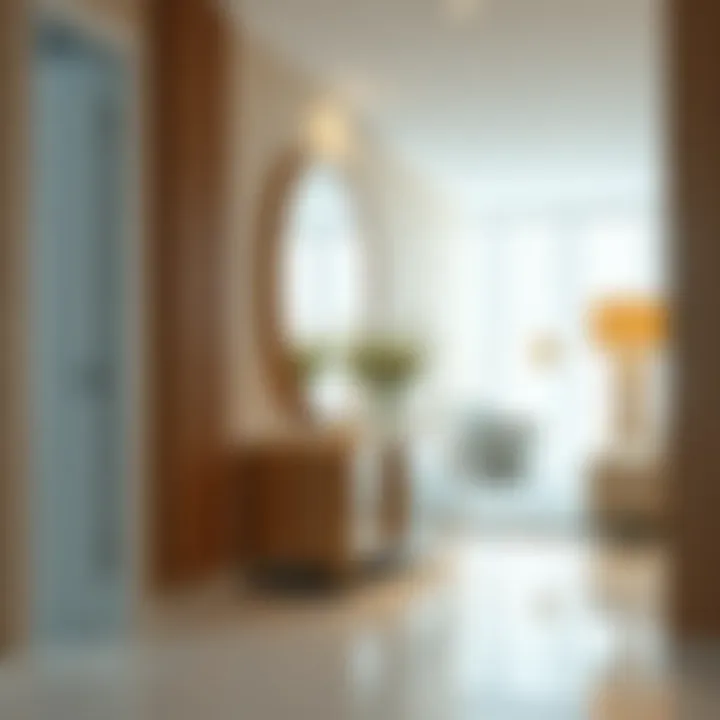
Taking measurements before purchasing helps significantly. Don't just rely on the eye; having specific figures ensures the selected items harmonize with all other hall elements, allowing for a pleasing flow.
Color Schemes and Aesthetics
Color choices affect the mood of your hallway. The mirror can reflect colors and textures, thus influencing the atmosphere of your home:
- Neutral Palettes: Shades like whites, greys, or beiges create a calm, open environment. They work well with various décor styles and allow flexibility for future changes in accessories or artwork.
- Bold Colors: If aiming for a statement piece, consider vibrant hues or unique patterns. A bright console or eclectic fabric can spark conversation—and even enhance the personality of the space.
- Mirror Frame Options: Wood frames offer a traditional look, while sleek metal or ornate styles cater to contemporary tastes. Combinations of materials can also be interesting, mixing textures for a layered appeal.
Ultimately, it’s about what resonates with your personal style while maintaining the aesthetics of your home.
"The perfect balance of functionality and beauty becomes apparent when the design elements strike a chord with the space around them."
By carefully considering the material selection, appropriate sizing, and color schemes, homeowners and designers alike can create an enhanced entrance that not only serves its practical functions but also transforms the atmosphere of the home. Achieving the right blend of these elements can invite warmth and character into your entryway, setting the tone for everything that follows.
Current Trends in Hallway Furniture with Mirrors
In the realm of interior design, recent trends have made significant waves, especially in hallway furniture combined with mirrors. These shifts reflect a growing understanding of both form and function, aligning practical needs with aesthetic desires. Homeowners today seek to marry the two domains, creating spaces that are not just tools to traverse but atmospheres that impart personality and warmth.
Sustainable Materials
With ecological concerns bubbling to the surface, sustainable materials have gone from a niche preference to a mainstream expectation. When selecting hallway furniture that incorporates mirrors, many homeowners are leaning towards options made from reclaimed wood, bamboo, or even recycled metals. These materials don’t just help the planet; they often imbue a rustic charm that can tell a story of past lives.
- Benefits:
- Environmentally Friendly: Using reclaimed items reduces waste and conserves resources.
- Unique Aesthetic: Each piece has a distinctive character that mass-produced items can’t replicate.
- Durability: Properly sourced sustainable materials can stand the test of time.
In a room where passage meets presence, sustainable materials can help create a welcoming atmosphere while conveying a commitment to conscientious living.
Multi-Functional Designs
Another trend gaining traction is the emphasis on multi-functional designs. Hallways are often the unsung heroes of a home, serving multiple purposes and sometimes functioning as mere thoroughfares. Designers are thus integrating mirrors into furniture solutions that serve more than one need—an aesthetic necessity paired with utility.
Consider the following examples:
- Console Tables with Storage: These pieces can double as a catch-all for keys and mail, all while reflecting light to enhance the feel of the space.
- Coat Racks with Built-In Mirrors: Convenient and stylish, these allow for a quick check before stepping out, merging functionality with easy access.
- Storage Benches with Mirror Backdrops: This two-in-one functionality not only provides a place to sit but also reflects the hallway's light, expanding the visual perception of space.
The trend towards multi-functional designs is about seeing beyond the traditional roles of furniture, making every inch count in often tight hallway layouts.
"Creating beauty in functionality is where the magic happens in design."
In summary, the current trends in hallway furniture that incorporate mirrors speak to broader themes of sustainability and multifunctionality. Homeowners, decorators, and designers alike are embracing pieces that serve dual roles, merging efficiency with style in a way that enhances not just space but the overall essence of a home.
Practical Tips for Maintaining Hallway Furniture
Maintaining hallway furniture, especially those pieces that incorporate mirrors, is crucial for ensuring they remain functional and visually appealing over time. Even the most beautiful setups can lose their charm through neglect. When it comes to your hallway, every detail matters, and understanding how to care for your furnishings can prolong their life and enhance your home's atmosphere.
Cleaning and Care for Mirrors
Mirrors are often the centerpiece of hallway furniture; they not only serve a practical purpose but also expand visual space and enhance lighting. Regular cleaning is paramount to preserve their clarity and shine. Here are some practical tips:
- Use the Right Cleaning Solution: Avoid harsh chemicals that may scratch or damage the surface. Instead, opt for a simple mixture of vinegar and water, or choose a specialized glass cleaner.
- Soft Cloths are Key: Microfiber cloths are your best friend. They don’t leave streaks and are gentle on the glass, making them ideal for daily maintenance.
- Regular Dusting: Dust can accumulate and dull the surface. A quick dusting with a dry cloth can make all the difference, ensuring your mirror looks pristine.
- Don’t Forget the Frames: The frames of your mirrors can collect dust and dirt as well. A gentle wipe with a damp cloth followed by drying can keep them spotless without causing any harm.
"A clean mirror reflects not just your image, but also the care you put into your space."
By adhering to these straightforward cleaning methods, you not only maintain visibility but also signify the level of care you invest in your home.
Preserving Wood and Fabric Components
Hallway furniture often includes materials like wood and fabric, which can significantly enhance the overall look of your entryway. However, these components require a bit more attention to keep them looking fresh:
- Wood Care: Treat wood surfaces with appropriate cleaners. For regular dusting, use a soft cloth. To maintain sheen and durability, consider applying wax or oil specifically designed for indoor furniture. Make sure to follow the manufacturer's recommendations, as this can vary.
- Fabric Maintenance: For upholstered surfaces, frequent vacuuming is essential. This helps to remove dust and prevent the fabric from looking worn. Should a spill occur, acting fast with a damp cloth (and a little mild soap if necessary) can save you from stubborn stains. It’s a good idea to check the care instructions on any fabric, as different materials react differently to cleaning methods.
- Protective Measures: If possible, position your furniture away from heavy foot traffic and ensure no direct sunlight bleaches the colors. You can also use coasters or placemats on surfaces where items might be placed frequently. These small acts can safeguard against scratches and stains.
Common Mistakes to Avoid
When it comes to optimizing hallway spaces with furniture and mirrors, avoiding common pitfalls is essential. These missteps can undermine functionality and aesthetic appeal. This section illuminates key mistakes that many homeowners and designers make. By addressing these, you'll be better positioned to create an inviting and practical entryway.
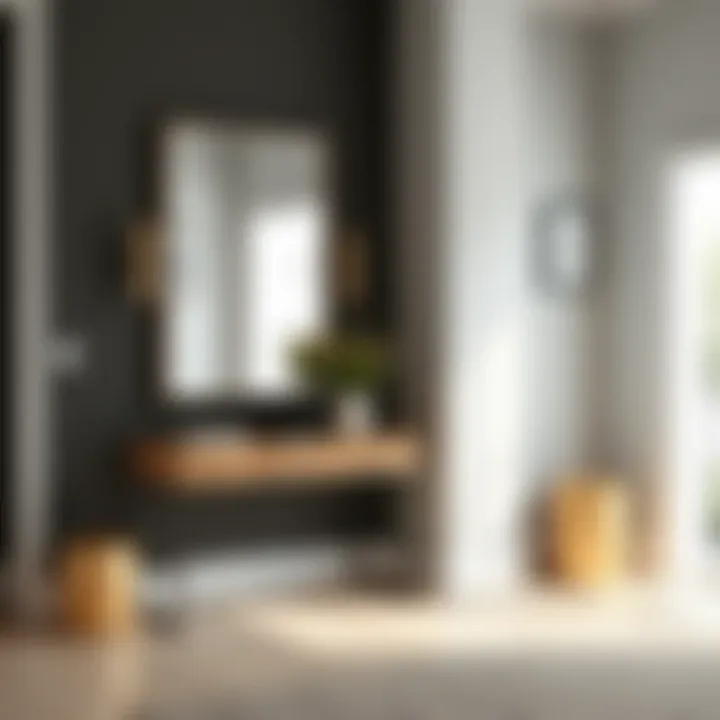
Overcrowding the Space
One prevalent error is attempting to cram too many pieces into a narrow hallway.
The Impediments of Clutter
Clutter can impede the flow of movement and make a space feel cramped. Think about it: you walk into a hallway stuffed with a console table, coat rack, oversized mirror, and numerous decorative items. It all feels a bit like a game of Tetris gone wrong. Instead of a welcoming entryway, you create a chaotic environment.
Finding Balance
Instead, prioritize key pieces. A single console table with a stylish mirror above it, paired with a modest coat rack, allows for smooth navigation. This arrangement fosters a sense of order, enhancing not just functionality but also the overall visual harmony of the space.
Inappropriate Scale Choices
Another misstep involves scale. Choosing furniture that is disproportionate to the hallway size can transform an otherwise stylish setup into an awkward arrangement.
The Goldilocks Principle
It's about finding "just right" in terms of size. A massive cabinet in a small corridor can dwarf the space, hindering movement and making it feel suffocating. Conversely, tiny furniture in a vast entryway can get lost, failing to fulfill its function or aesthetic role.
Proportional Design
Aim for pieces that are proportionate. For example, a slim console table works wonders in tighter hallways, while an expansive mirror can help reflect light and open up the area visually without adding bulk.
"Proportion is key in design; oversized elements can suffocate, while undersized ones dilute impact."
Personalization and Customization Options
When it comes to hallway furniture that incorporates mirrors, personalization and customization options are crucial. They provide homeowners with the ability to transform a common space into one that reflects their individual style and functional needs. This section delves deep into the specific elements, benefits, and considerations surrounding this topic.
Bespoke Furniture Solutions
Bespoke furniture solutions are tailored to meet the unique demands of each homeowner. This custom approach is becoming increasingly popular among those looking for something beyond standard store offerings. Choosing bespoke options allows for greater control over everything, from the dimensions of the furniture to the materials used.
For instance, if you live in a tight hallway, a custom-built console table with an integrated mirror can be designed to fit snugly into your space without overwhelming it. Consideration of personal preferences, such as wood type, finish, and mirror framing, can also elevate the overall design. When commissioning bespoke pieces, here are some aspects to ponder:
- Functionality: What will the piece need to achieve? Is it storage, style, or both?
- Durability: High-quality materials not only look good but also stand the test of time.
- Cost: While bespoke options can be an investment, larger pieces can enhance property value significantly.
Taking the leap into bespoke designs often leads to a unique hallway aesthetic that sets a tone for the rest of the home.
Aesthetic Customizations
Aesthetic customizations can breathe new life into hallway furniture by accentuating personal style and matching existing decor. This aspect goes beyond choosing colors; it involves thoughtful alterations that improve the visual appeal of mirrors and their accompanying furniture. Here are ways to consider aesthetic customizations:
- Mirror Shapes: Instead of a standard rectangle, opt for shapes like round, oval, or even artistic geometric variations to create intrigue.
- Frame Options: Custom frames can be selected based on personal taste. From sleek modern metal finishes to carved wooden frames, the choice can double as a statement piece.
- Paint and Finish: Painting furniture in a color that either contrasts or complements the surrounding walls can make a significant difference. Glossy finishes can add a touch of elegance, while matte finishes offer a more subdued aesthetic.
A well customized hallway can be a true reflection of personal identity and style—with mirrors acting as focal points that enhance both light and space.
"Customizing furniture not only shows off your taste but also ensures that your space works harmoniously with your lifestyle."
This level of personalization is not just about aesthetics; it also invites functionality that suits daily routines and elevates the overall experience of the entryway, transforming it from merely a transitional space to an inviting preface to the home.
Ending
In wrapping up the exploration of hallway furniture paired with mirrors, the significance of this topic emerges clearly. It's not just about aesthetics, although the visual enhancement is an undeniable benefit. The integration of mirrors into hallway furniture serves a dual purpose — function and form.
From a practical standpoint, mirrors in hallways reflect light, which helps to brighten dimly lit areas. They create an illusion of space, making narrow or cramped entryways feel larger and more welcoming. For homeowners and designers alike, understanding how to effectively place mirrors is crucial. The right positioning can amplify the natural light, which in turn fosters a more inviting atmosphere right at the doorstep.
When considering design elements, there's ample room for personalization. Be it vintage console tables or sleek modern coat racks, integrating mirrors allows for various styles that can match an individual's taste or the overall theme of the home. This choice makes it possible for homeowners to ensure that their space feels cohesive while still being functional for everyday use.
Key Points:
- Light and Space: Mirrors enhance natural light and create a sense of spaciousness.
- Versatile Design Options: The mixture of furniture styles with mirrors allows for individual expression and can define the character of an entryway.
- Functional Benefits: The dual-use of mirrors not only improves look but also provides practicality, like checking one's appearance before heading out.
As homeowners or designers consider incorporating these elements, it’s important to avoid common pitfalls such as overcrowding the space or selecting inappropriate sizes. A harmonious blend of hall furniture and mirrors can greatly elevate the functionality and aesthetics of an entryway.
In short, the right hallway furniture combined with thoughtfully chosen mirrors can transform an ordinary entry space into a practical and visually appealing environment. To ensure lasting functionality and style, taking into account various aspects such as materials, design, and maintenance is paramount in achieving the desired outcome. For further insights, one might explore Wikipedia on Interior Design or Britannica's articles on Space Planning.
"A well-furnished hallway with mirrors can create a warm welcome, setting the tone for the rest of the home."
In essence, as homeowners and decorators delve into the world of hallway furnishings accompanied by mirrors, they’ll find that not only does it enhance the space functionally, but also allows for unique expression and comfort.


