
The Importance of Overhead Shade in Furniture Design
Intro
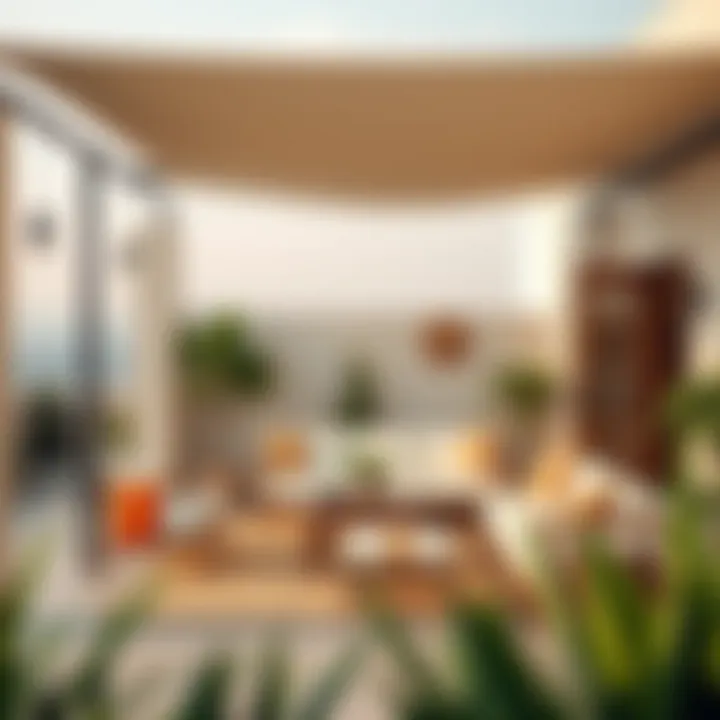
When it comes to furniture design, the role of overhead shade often takes a back seat in discussions about aesthetics and functionality. However, it warrants much more attention than it typically gets. Overhead shade isn't just a practical solution to sunlight; it's a powerful design element that influences how spaces feel and operate. Think of it as the invisible thread stitching together light, material, and purpose. With the right shade, furniture can not only be elevated in appearance but also in purpose.
Understanding the significance of overhead shade starts from recognizing how it interacts with different elements in a room. The light filtering through can transform even the simplest pieces into something extraordinary. From shading techniques that add drama to the space, to eco-friendly materials that reduce energy use — there’s more nuance here than meets the eye. We'll dive into the various forms of overhead shade used in furniture design, their historical context, and innovative modern iterations.
Over the course of this article, we will explore:
- The latest design trends that meld aesthetics with functionality,
- Practical tips for homeowners and designers to consider when selecting overhead shade solutions,
- A look at innovative materials and technologies enhancing the furniture landscape.
Let’s embark on this journey to unravel the multifaceted world of overhead shade and its pivotal role in furniture design.
Understanding Overhead Shade
Overhead shade is crucial in furniture design, acting as a bridge between functionality and aesthetics. This not only enhances the comfort of outdoor spaces but also influences how people interact within those areas. Properly integrated overhead shade can create a sanctuary from often unforgiving weather conditions, allowing for uninterrupted enjoyment of outdoor living.
The significance of overhead shade extends beyond mere comfort. It actively contributes to the overall ambiance, enriching spaces with layers of texture, color, and visual interest. It encourages people to gather, relax, and prolong their time outdoors. Effective use of shade creates a seamless transition between indoor and outdoor, enhancing usability.
Definition and Importance
Overhead shade refers to any structure or element that provides shelter from direct sunlight or rain over furniture or patio areas. This can include awnings, canopies, and natural components like trees. Its importance cannot be overstated: it regulates temperature, protects against weather elements, and enhances user experience. A well-placed shade structure can mitigate glare and create a comfortable environment, significantly influencing how spaces are utilized.
Historical Context
Historically, the integration of shade into furniture design can be traced back to ancient civilizations. In sunny Mediterranean regions, structures like pergolas were vivid parts of gardens, offering respite under their canopies. Similarly, the Egyptians utilized palm fronds to create shaded areas around their living spaces. As design evolved, so did the materials and styles of overhead shade. Today, modern technological advancements have led to innovative designs that increase both functionality and style, reflecting changes in how society interacts with outdoor spaces.
Cultural Variations
Cultural influences heavily shape how overhead shade is conceptualized and implemented. In many tropical cultures, for instance, it is customary to see vast, colorful umbrellas gracing outdoor markets, providing shade for both vendors and buyers. Conversely, in European outdoor cafes, fixed awnings define style and create intimate dining experiences. In Japan, traditional tatami mats are often accompanied by elegantly designed pergolas adorned with creeping plants, marrying nature with design.
The variations are endless, as each culture adapts to its climate, aesthetic preferences, and available materials. These differences not only enhance the visual interest of spaces but also reflect the values and lifestyles of the people who inhabit them.
"Overhead shade plays a pivotal role not just in functionality but in framing the very essence of how we enjoy spaces, shaping our outdoor interactions in profound ways."
Understanding this multifaceted nature of overhead shade and its historical and cultural context allows designers and enthusiasts alike to appreciate its true role in furniture design.
Types of Overhead Shade Solutions
Understanding the various types of overhead shade solutions is crucial for homeowners, designers, and anyone interested in enhancing outdoor spaces. Each type brings its own unique benefits, design opportunities, and functionality to residential and commercial environments. Selecting the proper shade solution not only offers relief from the sun’s heat but also adds to the overall aesthetic appeal of the area. This section will breakdown the different overhead shade solutions, emphasizing their varied applications and considerations that contribute to effective outdoor living.
Retractable Awnings
Retractable awnings stand out for their versatility. They can be extended or retracted based on the weather, allowing homeowners to enjoy full sun on desirable days while providing shelter when needed. For instance, if it’s a hot afternoon, rolling out the awning creates a shaded area for sipping iced tea or reading a book. Furthermore, many of these awnings are available in an array of colors and patterns, ensuring they complement existing furniture and design themes. However, it’s essential to consider the installation angle and surrounding obstructions when selecting a model, as these factors can impact both shade coverage and efficacy.
Fixed Canopies
Fixed canopies offer a consistent solution for shade, functioning continuously without the need for adjustments. They’re particularly useful in settings that require a permanent fixture for weather protection. Think of a cozy backyard barbecue area complete with a grill and seating — a fixed canopy ensures that the fun doesn’t have to stop just because of a passing drizzle. When choosing a fixed canopy, materials are key. Options like lightweight aluminum or robust fiberglass allow for durability while maintaining the desired look. It’s wise to assess structural support, as a well-designed canopy needs to withstand the elements year-round.
Pergolas and Gazebos
Both pergolas and gazebos provide architectural flair along with shade. They transform ordinary yards into extraordinary retreats. A pergola, typically an open-roofed structure supported by columns, permits some sunlight to filter through while providing a frame for climbing plants. This creates a beautiful blend of shade and nature. On the other hand, gazebos are often more enclosed, giving a cozy feel and protection from elements. Designers and homeowners often find them the perfect spot for gatherings, meditation, or simply escaping into a peaceful environment. Maintenance is essential, especially with wooden structures; regular sealing or painting ensures longevity and keeps them looking fresh.
Umbrellas
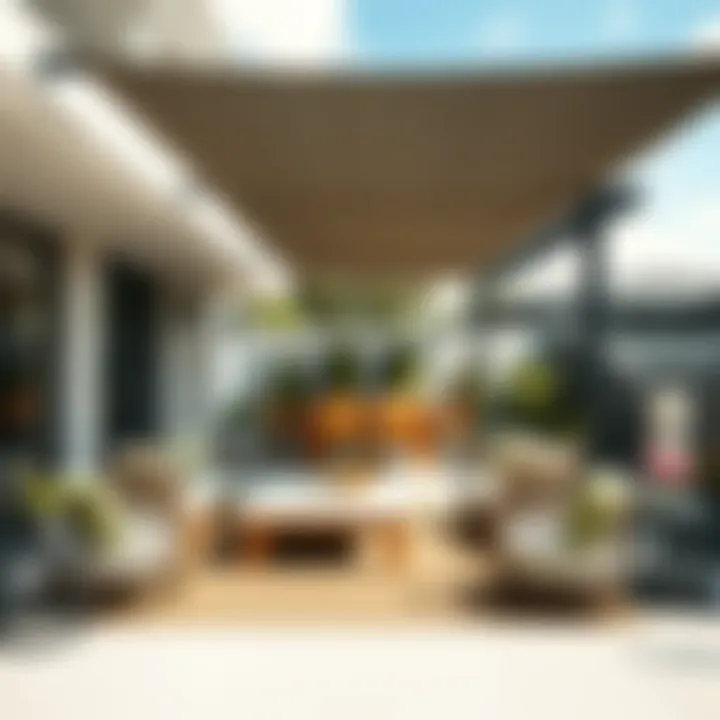
Outdoor umbrellas are among the most common shade solutions, offering an affordable option that doesn't compromise mobility. Designed for easy assembly, they’re perfect for those last-minute outdoor get-togethers. Picture a sunny afternoon enjoyed beneath a large, colorful patio umbrella, perhaps set over a dining table or a lounge chair. They come in numerous sizes and styles to fit various needs; some even tilt for optimal sun coverage throughout the day. However, it’s important to secure them properly to prevent damage from wind and to consider their lifespan as fabric wears out over time.
Plant Life as Shade
Incorporating plant life as a natural shade solution is a beautifully organic approach. Specific trees and large shrubs can provide excellent respite from the sweltering sun while enhancing the landscape's overall aesthetic. A well-placed maple tree or lush magnolia can create a stunning visual while simultaneously cooling the space. Moreover, different plants can be strategically placed based on growth patterns and seasonal changes to optimize shade throughout the year. It’s important to understand the species’ characteristics, including roots and canopy growth, to ensure they work harmoniously with the rest of the environment and furniture arrangements.
"In the evolving narrative of outdoor living, shade solutions are not mere accessories but are integral to the experience itself."
Choosing the right type of overhead shade solution can significantly enhance the usability and comfort of outdoor spaces. From the versatility of retractable awnings to the natural beauty of plant life as shade, each solution offers distinct advantages that blend functionality with aesthetics.
Functional Aspects of Overhead Shade
The functional dimension of overhead shade in furniture design is nothing short of essential. This element goes beyond merely aesthetic appeal, integrating practicality with usability to create a more inviting environment. When designing any space, understanding these functional aspects can vastly improve comfort and foster a greater connection between the space and its users.
Temperature Regulation
One of the primary functional benefits of overhead shade is temperature regulation. During hot summer days, overhead structures like canopies or awnings can create a much-needed refuge from the blistering sun. By blocking direct sunlight, these features can significantly reduce the ambient temperature in patios, decks, or outdoor seating areas. Data from the U.S. Department of Energy reveals that shaded areas can be up to 20 degrees cooler than direct sun. This difference doesn't just enhance comfort; it can also lower energy costs by reducing reliance on air conditioning systems.
When considering temperature regulation, it’s vital to choose materials and designs that maximize shade without compromising airflow. For instance, fabrics like mesh can offer partial sunlight blockage while still allowing for air circulation. This creates a breathable environment, inviting users to stay longer, thereby enhancing the overall utility of the space.
Protection Against Weather
Weather can be an unpredictable guest in outdoor settings, and this is where overhead shade truly shines. Structures such as gazebos and permanent awnings provide shelter from rain, wind, and even the occasional hailstorm. They act as a protective barrier, ensuring that furniture remains dry and safe from the elements, which prolongs the lifespan of outdoor pieces significantly. Homeowners often overlook how rain can damage wood finishes or rust metal components but investing in protective shade solutions counters that issue effectively.
Additionally, these overhead cover options can serve as deterrents against strong winds. When the wind picks up, having a solid structure can shield furniture and occupants from discomfort. For instance, well-placed tall umbrellas can act as windbreaks, creating usable space even in unpredictable weather.
Extending Usable Space
Overhead shade doesn't just enhance outdoor aesthetics; it effectively extends the usable area of a home. Imagine a back patio that morphs into an outdoor dining room or a relaxation nook—this transformation is made possible with the right shade solutions. Spaces with overhead structures can be used during various times of the day regardless of the scorching heat or an unexpected drizzle. This versatility makes outdoor areas much more functional.
When designing these spaces, homeowners should think creatively. Consider the incorporation of multi-functional furniture, like foldable tables beneath a shaded pergola or stackable chairs that can be easily put away. These details ensure that the space remains adaptable and usable for different occasions, whether it's a family gathering or a quiet evening alone with a book.
"The right design can transform any outdoor area into a sanctuary, regardless of weather or time of day."
Aesthetic Influence of Overhead Shade
When considering furniture design, the impact of overhead shade often extends beyond mere utility. Aesthetic influence plays a pivotal role in how spaces are perceived and experienced. This section explores how overhead shading can transform outdoor areas into visually appealing retreats while also complementing the overall design vision.
Design Cohesion in Furniture
Overhead shade provides a structured element that ties together disparate pieces of furniture. Think of an outdoor dining table with elegant chairs set beneath a stylish pergola. The shade not only offers comfort but also enhances visual unity. It creates a focal point, drawing the eye and making the area feel complete. Designers often use various shapes and materials for canopies to harmonize with the furniture style, whether it’s rustic wood or sleek metal. Cohesion is key in design; it brings a sense of purpose and coherence. By ensuring the shade solution aligns with furniture aesthetics, spaces feel intentional and curated.
Color and Texture Considerations
The shade itself introduces new colors and textures into the environment. Fabrics used in umbrellas or awnings can range from vibrant hues to subtle earth tones, influencing the mood of the space. For example, a bright, tropical-patterned fabric can energize a patio, while neutral tones create a more relaxed ambiance. Adding textured elements, like woven canopies, can also enhance the tactile experience of the outdoor area.
When choosing shades, it’s important to think about the materials. Wooden pergolas add warmth and a natural feel, whereas aluminum may lend a more modern, sleek appearance. Combining these with complementary furniture materials enhances the design while providing functional benefits.
Lighting Effects
The interplay of light and shadow created by overhead shades dramatically affects the feel of a space. Natural light filtering through a pergola on a sunny day can cast playful shadows, adding depth and dimension. Conversely, full coverage from a solid canopy can create a cozy, shaded escape. Designers often consider how different times of the day will affect lighting, leading to decisions that sculpt the environment.
Additionally, when planning for evening use, the integration of lighting fixtures under these shadings becomes crucial. Hanging lights or lanterns can illuminate the area while also looking visually appealing, turning a simple outdoor gathering into a magical experience. Therefore, lighting is not just a functional choice—it's a key player in the overall aesthetic narrative.
"The right overhead shade doesn't just protect from sun; it elevates the entire atmosphere of gathering spaces."
Environmental Considerations
In the discussion of overhead shade, there are crucial environmental aspects to consider. As we navigate through the intricate interplay between design and nature, it is vital to recognize how the choices made in creating these shading solutions can have a lasting impact. Sustainability and energy efficiency stand out as two pillars that underpin modern furniture design, especially in outdoor settings. By examining these elements, we can uncover not just their benefits but also the considerations designers and homeowners must grapple with.
Sustainability in Materials
Sustainability is a growing concern in all realms of design. When it comes to overhead shade, choosing materials wisely can make or break a project. Natural materials, like wood and bamboo, often have a lower environmental footprint. These options not only provide aesthetic appeal but also integrate better with surrounding landscapes. However, using treated or synthetic materials like aluminum and plastic can offer durability and versatility, yet they must be sourced responsibly to ensure minimal environmental harm.
When considering sustainability, it’s also essential to look at the life cycle of materials:
- Production: How much energy goes into making the material? Is it sourced locally?
- Durability: Will it last through various weather conditions or require frequent replacements?
- Recyclability: Can the material be repurposed?
Implementing sustainable practices can bring benefits beyond the environment. For instance, using sustainably sourced materials can appeal to eco-conscious consumers, making a project more marketable. Considering these factors not only shows responsibility towards the Earth but also offers a unique selling point in a competitive market.
Energy Efficiency
The role of overhead shade extends into energy consumption. A well-designed shading solution can dramatically reduce the need for air conditioning in homes and commercial spaces. This can lead to substantial energy savings and lower utility bills, a win-win for both the environment and the pocketbook. Shaded spaces remain at a cooler temperature, which enhances comfort during those hot summer days.
“Energy efficiency isn’t just about saving money; it’s about being a thoughtful steward of our planet.”
Integrating energy-efficient design with overhead shade can include strategies such as:
- Orientation: Positioning shade structures wisely can block direct sunlight during peak hours.
- Material Choices: Using reflective or lighter colors can help bounce sunlight away, maintaining cooler temperatures beneath.
- Technological Innovations: Innovations like solar-integrated shades not only provide shade but also harness energy.
Practical Applications in Home Design
The role of overhead shade in home design is multifaceted, bridging the gap between utility and aesthetic appeal. It stands as an essential element in establishing a comfortable and inviting environment. Whether you’re sipping on a cold drink in the backyard or hosting weekend barbecues, good shade solutions can make all the difference. Knowing the practical applications can guide homeowners, decorators, and designers alike toward optimizing their living spaces.
Outdoor Living Spaces
Outdoor living spaces have evolved from mere extensions of indoor areas to fully functional extensions of our homes. Overhead shade plays a pivotal role in creating these spaces. By strategically placing canopies, umbrellas, or pergolas, you can transform a plain patio into a stunning retreat. These shaded areas offer a reprieve from the scorching sun or unexpected downpours, allowing for more days comfortably spent outside.
- Temperature Control: One of the most significant benefits of overhead shade is temperature regulation. A shaded area can reduce temperatures underneath by up to 20 degrees. This cooling effect not only enhances comfort but also decreases energy usage for cooling units in adjacent indoor spaces, ultimately lowering energy bills.
- Increased Use: A well-crafted outdoor space with adequate shade encourages greater use. Families with children can feel more at ease letting them play outside, while adults can entertain guests without the worry of overheating or sunburns. This is particularly important in regions where the sun is relentless.
- Aesthetic Cohesion: Integrating overhead shade structures can provide a visual focal point that enhances the overall design. The materials and styles can be chosen to complement existing furniture and landscaping, fostering a sense of continuity. A wooden pergola may pair elegantly with rustic outdoor furniture, while a sleek metal awning can elevate a modern outdoor setting.
"A well-shaded outdoor area isn’t just about comfort; it’s about creating a lifestyle that embraces the outdoors while providing the necessary protection against nature’s harsh elements."
Commercial Settings
In commercial spaces, the significance of overhead shade becomes even more pronounced, as these environments are often bustling with activity. Restaurants, cafes, and retailers can greatly benefit from shade solutions that not only enhance the aesthetic but also improve functionality.
- Customer Comfort: Imagine dining al fresco in a charming café with a retractable awning that covers the outdoor seating. Customers can enjoy their meals while being shielded from the heat or sudden rainstorms. Overhead shade can encourage patrons to linger longer, boosting sales and creating a more vibrant atmosphere.
- Brand Identity: For businesses, the look of a shaded area can play into the brand's identity. Custom-designed awnings or canopies can reflect the brand’s colors and style, drawing customers' attention and inviting them in. Think about a boutique with a chic fabric canopy that beckons passersby, offering just the right amount of intrigue.
- Versatility: Overhead shade solutions in commercial settings often need to perform double duty. The right design can facilitate events such as outdoor markets or summer music festivals while ensuring the comfort of attendees. It’s about adapting to varying functions while maintaining an inviting atmosphere.
Case Studies of Overhead Shade Integration
Examining case studies of overhead shade integration can offer a robust understanding of how this design element elevates not only the aesthetic appeal but the functionality of outdoor and indoor spaces. Such studies serve to illuminate practical applications of concepts discussed previously in this article, showcasing how real-world implementations align with design theory. By analyzing these cases, we can uncover the benefits, considerations, and innovative approaches that can guide designers and homeowners alike.
Residential Examples
In residential settings, overhead shade solutions often integrate seamlessly into both the architecture of a home and its landscape design. For instance, in a suburban house in California, the homeowners opted for a large fixed canopy over their outdoor dining area. This structure does more than provide shade; it allows for family gatherings without the worry of harsh sunlight ruining the mood. By using fabric that complements the home’s exterior, the shade structure enhances the overall design while creating a defined space for social interaction.
Additionally, in an urban setting, a compact apartment’s balcony was transformed by installing a retractable awning. This solution not only provides flexible shade but is also designed to withstand the elements, reflecting the local climate's unique challenges. Such installations can significantly increase the usability of outdoor spaces, transforming neglected areas into inviting escapes.
Some common elements found in residential examples include:
- Enhancing Lifestyle: Owners can spend more time outdoors, elevating leisure activities.
- Aesthetic Cohesion: The use of colors and materials that resonate with the home’s design enhances curb appeal.
- Energy Efficiency: Overhead shade can lower indoor temperatures, reducing reliance on air conditioning during summer months.
In short, residential case studies illustrate that when carefully designed, overhead shade solutions do not merely exist in isolation. They play a vital role in creating harmonized indoor-outdoor experiences and improving quality of life.
Public Spaces
Public spaces require a different approach due to varied usage patterns and the diverse needs of the community. One significant example includes urban parks, where large pergolas were installed strategically to offer shade over picnic areas. This provides relief and encourages greater usage of the park, even on scorching summer days. Additionally, integrating materials that withstand heavy foot traffic ensures not only durability but also a modern look that aligns with contemporary urban design.
Another pertinent example can be found in bustling city plazas, where oversized umbrellas create shaded areas for cafes and restaurants. These installations serve dual purposes: they provide necessary shade for diners while also delineating space for various establishments. Likewise, public art installations can cleverly incorporate shade while serving as a focal point for community engagement.
Key benefits observed in public case studies include:
- Community Engagement: Well-designed shade structures increase foot traffic and activity levels.
- Versatile Use: Areas can be transformed for multiple purposes, from relaxation to events.
- Environmental Contribution: Reducing heat islands in urban environments through shade benefits local climates.
Public spaces integrated with overhead shade solutions demonstrate their importance not only in terms of design but also social implications. They create environments that foster interaction, relaxation, and a sense of community.
Overhead shade isn't just a luxury; it can be the difference between a space that is underused versus one that welcomes interaction and enjoyment.
By reflecting on these case studies, designers and homeowners can find inspiration and practical insights into how overhead shade can profoundly impact both residential and public environments.
Future Trends in Overhead Shade Design
As we look ahead, overhead shade continues to evolve, merging functionality with innovation to enhance outdoor environments. This is not just about the aesthetics or even heat relief; it's a broader conversation around sustainability and smart living. Incorporating overhead shade solutions effectively can profoundly affect how homeowners, designers, and decorators approach outdoor furniture design.
Understanding these future trends is essential for anyone considering investments in outdoor spaces, as advancements will dictate choices regarding materials, technologies, and overall design philosophy.
Innovative Materials
The materials we use for overhead shade elements are undergoing quite a transformation. Traditionally, we relied on canvas, wood, and metal. Now, options like weather-resistant fabrics and recycled materials are making their way to the forefront, with benefits such as durability and reduced environmental impact.
Some notable developments include:
- Textiles with UV protection: New fabric technologies are being engineered to not only withstand fading and wear but also repel harmful UV rays without compromising on aesthetics.
- Biodegradable composites: As people become more eco-conscious, materials made from biodegradable composites are surfacing. These materials not only reduce the carbon footprint of production but also promote a circular economy.
- Lightweight, sturdy options: Advancements in manufacturing techniques have resulted in lighter materials that still uphold strength, making for easier handling and installation.
These innovations are paving the way for creative possibilities that push the boundaries of what outdoor structures can offer. As an example, imagine a pergola designed with bamboo composite that can harmonize with a garden while providing substantial protection against the elements without being heavy or cumbersome.
Tech Integration
Technology integration is the name of the game as we step into this new era of overhead shade design. It’s not just about the shade anymore; it’s about making spaces more functional, interactive, and comfortable.
Consider some notable technological infusions that are enhancing overhead shades:
- Smart Awnings: Equipped with sensors, these devices can automatically adjust based on sunlight and temperature. Imagine being inside, and with a single tap, the shade extends just enough to keep the room cool without losing natural light.
- Solar-Powered Solutions: Some shades now harness solar energy to power lights or even charging stations for devices. This not only offers practicality but underscores a commitment to sustainability.
- Home Automation Systems: With the advent of smart homes, integrating your overhead shade solutions into overall home automation systems provides convenience. You can control your shades through voice commands or smartphone apps, adding to the comfort of your outdoor experience.
"The integration of technology in outdoor design doesn't just add flair; it transforms how we interact with our environment."
Embracing these future trends enables homeowners and designers alike to craft spaces that are both functional and forward-thinking. By prioritizing these innovative materials and tech advancements, the outdoor areas can elevate the living experience while also being considerate of the environment.
The End
In the grand scheme of furniture design, the role of overhead shade emerges as a cornerstone of not just aesthetics but functionality. This article has traversed various facets, shedding light on why overhead shade deserves more attention in both residential and commercial settings.
Recap of Key Insights
- Unity of Function and Form: Overhead shade solutions, whether they be retractable awnings or permanent canopies, harmonize beautifully with furniture. They create environments that feel cohesive, blending the natural and built worlds, enhancing the experience for users.
- Environmental Dimensions: Sustainable materials and energy efficiency considerations are more crucial than ever. The integration of overhead shade contributes to reducing heat and sunlight exposure on furniture, thus preserving its longevity and reducing energy costs.
- Cultural Nuances and Innovations: Across regions, cultural interpretations of shade inform design choices. Innovations in materials and tech integration pave the way for new possibilities, staying true to aesthetic values while catering to modern needs.
Final Thoughts
Overhead shade is more than just a practical solution against sun and weather—it is a vital element in creating beautiful, livable spaces. As we move forward, embracing innovative designs and sustainable practices is crucial. Homeowners, designers, and DIYers alike must consider how overhead shade can welcome them into outdoor or indoor environments that are not only functional but also gravitate towards a sustainable future. A well-designed overhead shade is not merely an accessory; it becomes a defining feature of the space, setting the tone for interaction, activity, and enjoyment.
For further reading, resources like Wikipedia and academic pieces from Britannica can offer deeper insights into the materials and trends that shape this area of design.