
Enhancing Your Space with Light Filtering Curtains
Intro
In the world of interior design, the choice of window treatments can make or break the overall aesthetic of a space. When it comes to bedroom curtains, light filtering options stand out as a notable choice that beautifully balances form with function. These curtains not only manage the influx of natural light but also add a layer of style that can elevate the ambiance of your room. This article aims to explore the various aspects of light filtering bedroom curtains, focusing on their design trends, practical tips, and their contribution to aesthetic harmony within a home.
The significance of light filtering curtains extends well beyond mere decoration. They play a crucial role in creating a serene atmosphere conducive to relaxation and rest, while also serving practical purposes. Choosing the right curtains means considering factors such as materials, colors, and styles that resonate with your personal taste and the overall interior design scheme of your bedroom.
What you’ll uncover in this article are valuable insights about the emerging trends in the world of light filtering bedroom curtains, backed with informative tips for selection and maintenance. This guide is ideal for homeowners, decorators, designers, and DIY enthusiasts eager to enhance their spaces.
Design Trends
Light filtering curtains are not just about light control; they embody a multitude of design elements that enrich a bedroom’s character. Their role in current design trends can’t be overstated. Let’s take a deeper look at what’s trending.
Emerging Styles in Furniture Design
As fashion in furniture and home decor evolves, so do the designs of curtains. Light filtering curtains now come in various styles that cater to diverse tastes. Some of the most exciting trends include:
- Sheer Fabrics: Wispy and light, sheer materials let in soft light while providing a sense of intimacy.
- Layered Looks: Mixing and matching different types of curtains or combining them with blinds allows for more flexibility in light management.
- Patterned Textiles: From geometric patterns to floral designs, the right print can bring vibrancy and personalization to your space.
Staying updated with these styles can empower you to blend your curtains seamlessly into the bedroom’s design.
Color Palettes and Material Innovations
Color is another essential aspect to consider when selecting light filtering curtains. The current preferences range from calming neutrals to bold statement colors that can become the focal point of the room.
- Earthy Tones: Colors like terracotta, soft greens, and muted blues encourage a natural and soothing environment.
- Pastels: Soft hues like blush pink and pale lavender can introduce an airy feel without overwhelming the senses.
- Innovative Materials: Advancements in fabric technology now allow for materials that are not only aesthetically pleasing but also functional—resistant to fading and easy to clean.
Practical Tips
With design trends in mind, it’s equally important to focus on practical aspects of selecting and maintaining light filtering bedroom curtains.
How to Choose the Right Curtains for Your Space
Choosing curtains involves a bit of thoughtfulness. Here are some guiding points to consider:
- Room Size: In smaller rooms, opt for lighter materials to avoid making the space feel cramped.
- Color Coordination: Ensure that the curtains complement your existing decor, not clash with it.
- Functional Needs: If you need more light control, consider a double-layer approach with blackout curtains behind the light filtering layer.
Maintenance and Care for Longevity
To keep your curtains in tip-top shape:
- Vacuum them regularly to remove dust and allergens.
- Follow manufacturer guidelines for washing—some materials may only require spot cleaning.
- Be aware of the sunlight exposure, as prolonged exposure can lead to fading over time.
"Light filtering curtains are not just a decorative item; they influence the mood of your room, affecting how you feel the moment you step inside."
Understanding Light Filtering Curtains
Light filtering curtains have become a staple in modern bedroom decor, and for good reason. They offer a seamless blend of function and style, allowing homeowners to control the natural light entering a room while adding an aesthetic element to the space. The comprehension of light filtering curtains isn't just about beauty; it goes deeper into how these curtains interact with light, privacy, and energy conservation.
Defining Light Filtering Fabric
Light filtering fabric is designed to soften sunlight, preserving brightness while reducing glare. Unlike blackout fabric, which completely blocks out light, these materials allow a measured amount of sunlight to enter the room, creating an airy and uplifting atmosphere. Examples of common light filtering fabrics include sheer cotton and polyester blends, which can beautifully diffuse harsh sunlight while still insulating the room. This versatility gets to the core of what makes light filtering curtains an excellent choice in contemporary bedroom design.
Advantages of Light Filtering Curtains
The merits of incorporating light filtering curtains in a bedroom are numerous, making them an appealing option for many.
Natural Light Management
Natural light management stands out as a critical feature of light filtering curtains. The ability to control the intensity of sunlight entering a room can drastically alter the ambiance. By encouraging soft, diffused light rather than the harsh sun glare, these curtains create a serene environment, perfect for relaxation or focused activities. Homeowners often find that rooms filled with filtered light feel more spacious and welcoming, enhancing their overall comfort. Yet, it is essential to note that while they excel in light management, the level of filtration can require balance; too much diffused light in small or dark rooms might still leave them feeling slightly airy. It requires a careful choice in fabric and color to ensure harmony.
Privacy Without Sacrificing Light
Another unique characteristic of light filtering curtains is the privacy they provide without completely shutting out the outside. This balance makes them a popular choice for urban dwellers and homes situated close to neighbors. While they obscure the view from outside during the day, they still allow occupants to enjoy connections with nature and the outdoors. However, it is crucial to recognize that their effectiveness does diminish with darkness; at night, the same fabric that keeps sunlight out may offer less privacy as interior lights illuminate the space. Hence, thoughtful planning of interior lighting can maximize their benefits.
Energy Efficiency
Energy efficiency is yet another compelling advantage of light filtering curtains. Many fabrics used can reflect heat during the summer while still insulate during the winter, thus maintaining a more stable indoor temperature. This temperature control can significantly help reduce energy consumption, especially for homeowners looking to lower their utility bills. Furthermore, light filtering curtains often create an opportunity to capitalize on natural daylight, diminishing the need for artificial lighting during the day. However, it is vital to keep in mind that these benefits can be hampered if the curtains are not properly paired with the room's heating or cooling systems. Effective energy conservation often hinges on strategic planning and execution with a complete understanding of the material's capabilities.
In sum, understanding light filtering curtains opens a pathway to enhancing both functionality and aesthetic appeal in bedroom design, making each choice impactful.
Altogether, light filtering curtains serve as a bridge merging design and practicality in an elegant manner. They empower homeowners with choices that suit their preferences for light, privacy, and energy savings—all essential elements in creating a harmonious living space.


Design Versatility
When considering light filtering bedroom curtains, the notion of design versatility becomes paramount. It encompasses the ability of curtains to adapt seamlessly to various aesthetics and practical needs within a space. This adaptability not only enhances the aesthetic appeal but also ensures that functionality is maintained, hence, providing a harmonious balance that aligns with personal style and usage requirements.
Styles and Patterns
Classic Designs
Classic designs in curtains often reflect timeless elegance. These styles, characterized by simple lines and sophisticated color palettes, resonate deeply with many homeowners. A key characteristic of classic designs is their ability to create an inviting atmosphere without overpowering the space.
A unique feature of classic designs is their versatility in color and fabric choices. This ensures that they can blend into various interior themes, be it modern or traditional. What's more, they often come with rich textures and subtle patterns, which can add depth to the room. The main advantage here is that they remain stylish over time, making them a wise investment for those looking for longevity in their decor.
Modern Trends
On the other hand, modern trends bring an exciting twist to bedroom decor. Often featuring bold colors and geometric patterns, these designs cater to those looking to make a statement in their space. The beauty of modern trends lies in their uniqueness and ability to break away from the conventional.
One standout characteristic of modern trends is their inclination towards minimalism. This simplifies the visual clutter in a room, allowing other decor elements to shine. However, be cautious; while modern designs are striking, they may not achieve the same timeless feel that classic styles offer. Yet, they certainly invite a fresh, contemporary vibe that can invigorate a bedroom.
Textured and Layered Options
Textured and layered options present yet another joyous exploration in curtain design. Here, the aim is to combine various fabrics or patterns to create rich, visually appealing layers that enhance the depth of a room. This approach allows for both creativity and functionality, as layering can improve light management while offering a cozy ambiance.
The defining characteristic of textured options is their tactile appeal. For instance, combining sheer curtains with heavier drapes can create an engaging visual contrast. This method is quite beneficial because it offers flexibility in light filtering; you can adjust the layers to let in more or less light as needed. The downside? They may require a bit more effort in terms of installation and maintenance, but the payoff in aesthetic satisfaction can be well worth it.
Color Selection
Shifting gears to color selection, one's choices can dramatically influence the feeling of a bedroom environment. The range from neutral tones to bold colors opens up various avenues for personal expression.
Neutral Tones
Neutral tones, like soft beiges, grays, or whites, are the workhorses of curtain color. Their subtlety allows for a serene backdrop that can complement almost any decor. The advantage of neutral tones is their ability to create an airy and spacious feeling; they reflect light beautifully while maintaining a calm atmosphere.
Moreover, their compatibility with various furnishings means these colors can act as a bridge in a room, harmonizing diversified design elements. However, the risk lies in their tendency to appear bland if not paired well with other colors or textures.
Bold Colors
Contrastingly, bold colors can inject personality and energy into a bedroom. Colors like deep reds or vibrant blues can serve as powerful focal points, pulling the eye and adding dramatic flair.
While these hues can be seen as striking and engaging, they also come with the challenge of balancing other elements in a room. A key characteristic of bold colors is their potential to evoke strong emotions; thus, thoughtful pairing with other decor can enhance or dilute their positive impact.
Patterns and Prints
Lastly, patterns and prints can be the fun, creative touch that transforms bedroom curtains into pieces of art. These designs can be floral, geometric, or abstract and offer limitless possibilities for self-expression.
A major advantage of patterned curtains is their ability to draw interest and conversation. However, care should be taken as the wrong pattern can clash with existing decor, overwhelming the space. A clever selection of prints that resonate with the room's overall theme can create a captivating narrative that is pleasing to the eye.
"The right curtains can turn a simple bedroom into a cozy retreat, striking the right balance between light, design, and personal touch."
Functionality Beyond Aesthetics
When discussing light filtering bedroom curtains, it’s crucial to emphasize that their role extends far beyond mere decoration. These curtains serve as a perfect blend of style and practicality. They let in soft light while maintaining an element of privacy, striking a balance that many homeowners crave. Understanding these functional aspects can help one appreciate how these curtains can transform a bedroom into a serene sanctuary.
Light Control Mechanisms
Sheer Vs. Semi-Opaque
One of the standout features of light filtering curtains is their ability to control light effectively. The choice between sheer and semi-opaque fabrics is significant. Sheer curtains allow the most natural light to penetrate, creating an airy feel in a room. They are ideal for those who enjoy basking in bright sunshine without the harsh glare. However, sheer fabrics can lack the privacy one might want at night. On the other hand, semi-opaque curtains offer a middle ground. They diffuse light while providing more privacy, making them a popular choice for bedrooms.
- Key Characteristics:
- Sheer: Lightweight and translucent, perfect for light ambiance.
- Semi-Opaque: More substantial, good for filtering light without complete darkness.
The unique benefit of choosing semi-opaque curtains lies in their versatility. They can adapt well to various styles, offering both privacy and an inviting glow during the day. The main drawback might be a slightly heavier drape feel compared to sheer options, but the enhanced privacy and light management often outweigh that.
Adjustable Features
Adjustable features in light filtering curtains add another layer of functionality. Many modern designs come with adjustable headers or track systems, allowing one to customize how the light enters a space. This adaptability is vital because it helps cater to different light levels throughout the day.
- Key Characteristics:
- Versatile Hanging Systems: Rods and tracks that enable easy height adjustments.
- Smart Mechanisms: Options for motorized control, giving you the ultimate convenience.
With adjustable features, homeowners can easily shift from more light during the day to a cozier feel at night. This ability to modify lighting impacts not just ambiance but comfort as well. However, the installation of advanced adjustment systems can be a bit technical for some, requiring an eye for detail.
Insulation and Energy Conservation
Moving on to another crucial aspect, insulation and energy conservation provided by these curtains cannot be overlooked. They can play a key role in regulating the temperature within a home, contributing to energy efficiency.
Reducing Heat Loss
One of the primary benefits of light filtering curtains is their ability to reduce heat loss in colder months. They create an insulating layer that traps warmth inside, making a noticeable difference.
- Key Characteristics:
- Thermal Properties: Fabrics designed specifically for insulation help in energy savings.
This heat retention feature becomes increasingly valuable in areas with extreme seasonal changes or high energy costs. The main disadvantage might be that certain fabrics can be bulkier, which may not suit everyone's design aesthetic. Nonetheless, the potential for reduced heating bills often makes this bulk a worthwhile trade-off.
Seasonal Adaptability
Light filtering curtains also shine in terms of seasonal adaptability. This means they can be used year-round, adjusting to the needs of each season. Whether to keep the summer heat at bay or retain warmth during winter, these curtains serve an ever-changing function.
- Key Characteristics:
- Universal Functionality: Suitable for warmth and cooling, irrespective of the weather.
The adaptability feature is essential in homes where functionality and aesthetics must coexist seamlessly. Homeowners appreciate that these curtains can be left in place all year without compromising on comfort. However, depending on the fabric's design, they might require more care to maintain that flexible use across seasons.
In summary, the functionality of light filtering curtains encapsulates light control, insulation, and adaptability, making them an invaluable addition to any bedroom. Their dual nature of aesthetic appeal and practical benefits creates a harmonious blend that speaks to both the design-conscious and the pragmatic homeowner.
Choosing the Right Curtains for Your Space
Selecting the right curtains for your bedroom is a decision that goes beyond mere aesthetics; it intertwines functionality, mood, and the overall atmosphere of your personal sanctuary. Light filtering curtains play a critical role in managing sunlight while still providing a degree of privacy. Choosing the perfect pair means striking the right balance between design, utility, and how they harmonize with existing elements in the room. It’s like fitting a puzzle piece where each piece needs to click into place without a hitch.
Consideration of Room Size
Scale and Proportions
When it comes to scale and proportions, these elements can make or break the look of your curtains. It’s all about ensuring that the curtains complement not just the windows, but the whole room. Oversized curtains in a small room can feel oppressive, whereas tiny drapes in a spacious bedroom can seem lost. The right scale creates a visual harmony that pulls the space together, giving it that polished look.
In practice, consider the height of your window and the overall dimensions of the room. Drapes that touch the floor can make the space feel taller and more open, creating an illusion of airiness. Conversely, short curtains might work well in a cozy setting but risk making ceilings feel lower. Striking the right balance in proportions not only looks good but also enhances the light filtering feature, allowing natural light to flow beautifully across the room.
Ceiling Height Considerations
Ceiling height goes hand in hand with room size. Installing curtains higher than the window frame can draw the eye upward, making the room feel larger. This is particularly effective in rooms with high ceilings, where you can play with curtain lengths that cascade down elegantly. The contrast of long curtains against tall walls can add a touch of drama and sophistication.
In a room with standard or lower ceilings, keeping the curtains just above the window can create an illusion of height without overwhelming the space. A typical pitfall is selecting curtains that are too long or heavy for lower ceilings; this can create a claustrophobic feel. Thus, taking into account the height of your ceilings should be a primary consideration, as it significantly influences your choice of light filtering curtains.
Matching Existing écor
Complementary Textures
Textures are often overlooked but are vital in creating a cohesive look in your bedroom. Light filtering fabrics come in various textures—from silky sheens to soft linens—each bringing a different sensation to your space. The idea is to find curtains that echo the textures already present in your decor, such as the upholstery on your furniture or the finish on your bedding. If you’ve got plush throws and textured cushions, a curtain with a subtle texture can enhance this tactile experience.
When aiming for complementary textures, consider how each fabric interacts with light. Sheer curtains can add a level of softness while allowing light to dapple the floor, contributing to a serene ambiance. Contrasting textures, like pairing a smooth curtain with a more rugged natural fiber rug, can also create interest without being jarring. The goal is to ensure that all elements snugly fit together like a well-crafted tapestry.
Harmony with Furniture
The harmony between your curtains and furniture can create a flow that makes the room feel more united. For instance, if your furniture is minimalist, heavy, ornate curtains may clash and feel out of place. On the other hand, ultra-modern decor can strike a soft note when layered with delicately designed curtains.
The color and pattern of your curtains also play a role in this balance. A solid-colored curtain can ground the room, while lively patterns can draw attention as a focal point. Ultimately, it’s about ensuring that your curtains work alongside your furniture pieces to evoke the desired mood. Consider simple guiding principles like coordinating colors, complementing patterns, and balancing the visual weight.
"Choosing curtains is like putting the cherry on top of a sundae; the right choice can elevate the whole experience."
Choosing curtains isn’t merely about blocking out light. It’s a thoughtful endeavor to ensure that every piece in your bedroom reflects your personal style and meets your practical needs. Finding that perfect set of light filtering curtains could be the difference between a room that feels cluttered and one that feels like a coherent haven.
Installation and Maintenance
Proper installation and maintenance of light filtering bedroom curtains are vital elements that ensure not only their aesthetics but also their longevity and functionality. Insufficient installation may lead to issues, such as improper light filtering, which negates their primary purpose. Additionally, routine maintenance keeps them looking fresh and new, allowing you to enjoy their design benefits for a longer period.
Choosing the Right Hardware
Types of Curtain Rods
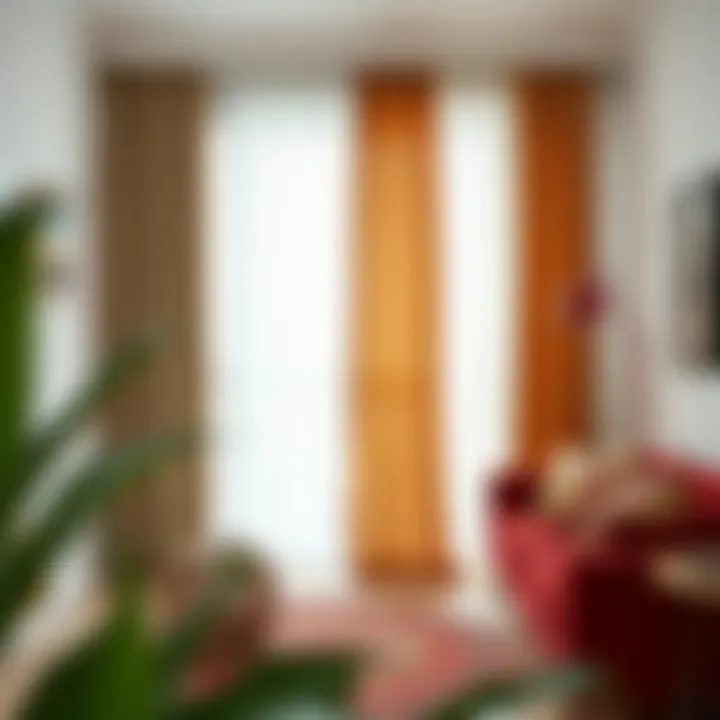
Choosing the correct curtain rod is fundamental for the effective use of light filtering curtains. Curtain rods come in various styles, but several key types stand out:
- Straight rods: The most common choice, they are straightforward in design and allow curtains to slide easily. They come in different materials—wood, metal, or plastic—offering a variety of aesthetic options.
- Traverse rods: These are equipped with a mechanism that allows curtains to open and close from the center. Ideal for heavier fabrics, they offer an elegant touch to your windows.
- Tension rods: A user-friendly option, tension rods don’t require any drilling, making them perfect for renters.
The versatility of curtain rods means they can complement your decor while also providing essential support for the weight of the curtains. If you're looking for functionality, fully extendable straight rods might be the ticket, as they allow full closure and easy access to your window.
Installation Techniques
The method of installation cannot be overlooked. Successful installation will ensure that your curtains hang gracefully. Key techniques include:
- Standard installation: This method typically involves mounting the rod above the window frame, extending it beyond the sides to maximize light exposure and view. This technique is common and practical, making your windows appear larger and brighter.
- Layering rods: Sometimes, homeowners choose to use double rods, which allow for the combination of light filtering curtains with heavier drapes. This combination not only enriches texture but also provides enhanced light control and privacy.
The unique aspect of these installation techniques is their adaptability. With thoughtful consideration, even a simple rod can elevate the overall aesthetic of a space, transforming mundane to mesmerizing in minutes.
Cleaning and Care
Keeping your curtains clean and well cared for is essential in maintaining their function and appearance over time. Differences in fabrics call for tailored care routines.
Fabric-Specific Care Tips
Each fabric used in curtains requires different cleaning approaches:
- Polyester: A breeze to maintain, most polyester curtains can be machine washed on a gentle cycle. Hang them to dry to avoid shrinkage.
- Linen: While sophisticated, linen can be more temperamental. It often requires dry cleaning or specific hand-washing techniques to preserve its texture.
- Cotton: Easy to clean, cotton curtains can be washed on a gentle cycle but should be dried carefully to prevent wrinkling.
Adopting fabric-specific care tips can extend the lifespan of your curtains while ensuring that they maintain their color and structure.
When to Replace Curtains
Knowing when it’s time to replace your curtains is as crucial as choosing the right ones. Signs include:
- Fading: If your curtains have lost their vibrancy, they can dampen the room's atmosphere.
- Wear and tear: Visible fraying, holes, or losing their shape indicates they might be past their prime.
- Changes in decor: If your room undergoes a transformation and the curtains no longer align with the new aesthetic, it may be time to renew.
Ultimately, understanding when to let go of your curtains allows for a refreshed space that mirrors current trends and your personal taste.
"Installation and maintenance encapsulate not just function, but the artistry behind every curtain choice. Keeping that in mind can elevate your decor to new heights."
In summary, installation and maintenance are not merely practical aspects but crucial in crafting a harmonious blend of light filtering, functionality, and elegant design.
For added resources, check out Wikipedia or Britannica.
Trends in Bedroom Curtain Design
As the world of interior design evolves, so too do the trends in bedroom curtain design. Light filtering curtains, in particular, have become a focal point for modern aesthetics and functionality. The significance of exploring these trends lies not only in staying updated but also in understanding how these choices impact the overall ambiance and utility of a bedroom.
Sustainable Materials
One of the most compelling trends is the increasing use of sustainable materials. Homeowners are becoming more conscious about their environmental footprint, and this shift is reflected in the fabrics chosen for curtains. People are opting for organic cotton, linen, and recycled materials that not only reduce harmful effects but also have a lasting durability. Some key points to consider about using sustainable materials:
- Health Benefits: Fabrics made from natural fibers are often free from toxic chemicals, contributing to a healthier indoor environment.
- Longevity and Cost-effectiveness: While upfront costs may be higher, the long-term durability often offsets initial investments.
- Aesthetic Appeal: Sustainable curtains can come in a variety of colors and textures, maintaining style without compromising on ethical considerations.
Sustainable materials, in essence, help bridge the gap between environmental responsibility and personal aesthetic.
Integration of Smart Technology
Another pitch-perfect trend is the integration of smart technology into curtains. This isn’t merely a gimmick; it is about increasing convenience, energy efficiency, and modernizing living spaces. Features like remote-controlled or app-controlled curtains are gaining traction.
- Ease of Use: Imagine controlling your curtains with the touch of a button or a voice command. Smart curtains can be programmed to open and close at specific times, providing ample natural light during the day while ensuring privacy at night.
- Energy Conservation: Integration of sensors can help regulate how much sunlight enters a room, contributing to more efficient heating and cooling. Automated systems can detect room temperature and adjust accordingly.
- Stylish Automation: Smart curtains often come in sleek designs that enhance the aesthetic appeal of your bedroom, blending technology with elegance.
"Integrating smart technology in your curtains is not just about convenience; it’s about enhancing your quality of life while keeping functionality in mind."
Final Thoughts on Light Filtering Curtains
In wrapping up the discussion on light filtering curtains, it’s essential to highlight their significant role in modern bedroom design. The interplay of light and design serves not only as a stylistic choice but also shapes the overall atmosphere of a space. Light filtering curtains offer a unique blend of aesthetics and functionality that cannot be overlooked by homeowners, decorators, and designers alike.
Balancing Aesthetic and Functionality
The true beauty of light filtering curtains lies in their ability to maintain a delicate balance between aesthetic appeal and practical functionality.
- Aesthetic Appeal: With a sweeping range of styles, colors, and patterns available, these curtains are versatile in fitting various design schemes. Whether you're drawn to bold prints or prefer soft neutrals, there’s a fabric and design that can accentuate your space beautifully. It’s about finding that perfect harmony between your personal taste and the overall interior décor.
- Functionality: On the functional side, light filtering curtains excel in their purpose. They enable natural light to seep into a room while ensuring a modicum of privacy. Notably, they contribute to energy efficiency. They assist in controlling the temperature by reducing heat gain in summer and retaining warmth in winter.
As you deliberate on the right choice, consider your specific needs—do you seek creative patterns to liven up your room, or do you require a more serious, subdued look? Observing how your curtains can transform your spaces should guide your purchasing decisions.
Future Perspectives in Curtain Design
The trajectory of curtain design is headed towards exciting innovations. Environmental consciousness has sparked trends in using sustainable materials. Options like bamboo or recycled polyester are becoming more prevalent, reflecting not just design sensibilities but also a commitment to sustainability. As we look to the future, we can anticipate:
- Smart Technology Integration: With the rise of smart homes, integrating technology into curtain designs will become more common. Imagine controlling your curtains through a smartphone app or utilizing sensors that automate light and temperature regulation. This adaptability could redefine our interaction with living spaces.
- Customization and Personalization: Tailored solutions might also gain traction. Consumers increasingly seek ways to personalize their living environments, from custom sizes to unique fabric blends.