
Miniature Watering Cans: Design and Functional Insights
Intro
Miniature watering cans have quietly carved out a unique niche in the world of design and gardening. They offer more than just a means to hydrate your plants; they serve as charming decor pieces that can spruce up any space. Decorating and gardening can often feel like separate endeavors, but miniature watering cans bridge this gap, marrying function with aesthetics. From cozy apartments to sprawling gardens, these little vessels can add personality and character while still serving practical purposes.
Let's dive into the diverse world of miniature watering cans, exploring their designs, utility, and the cultural significance they hold in promoting sustainability and personalization. Their rise in popularity reflects a growing trend where home decor and gardening are intertwined, allowing homeowners, decorators, and DIY enthusiasts to express creativity while being mindful of the environment.
Design Trends
Emerging Styles in Decor
When you think of miniature watering cans, it’s easy to picture the classic galvanized steel ones or the simple plastic varieties. However, modern designers have taken this humble tool and turned it into a canvas for artistic expression. Today, you can find miniature watering cans in various shapes, materials, and styles that enhance the aesthetic appeal of any room.
From sleek ceramic designs boasting vibrant colors to rustic wooden versions that feel at home in a cozy kitchen, the range is impressive. Some designers even play with whimsical and quirky forms, such as watering cans shaped like animals or mythical creatures. This playful trend not only invites a smile but also invites conversation, making knitting circles or garden parties all the more engaging.
Color Palettes and Material Innovations
The color palette of miniature watering cans has broadened significantly in the last few years, reflecting current design sensibilities that favor bold hues and pastel shades alike. For example, a soft mint green can evoke freshness while a deep navy blue may lend sophistication. Knowing how to match the right color to the room's ambiance is vital when choosing your design elements.
Materials have also evolved, with sustainable options gaining traction. Many manufacturers now offer eco-friendly alternatives made from recycled or biodegradable substances. Investing in a watering can crafted from such materials not only adds visual interest to your decor but also aligns with principles of environmental responsibility. This isn't just about having a pretty object; it's about making a choice that resonates with a growing community of eco-conscious consumers.
Incorporating miniature watering cans into your home decor or garden involves thoughtful consideration of all these emerging trends. The right can, with its vibrant color and unique design, can become a focal point in any room or an essential companion in your gardening toolkit.
Prologue to Miniature Watering Cans
Miniature watering cans have carved a niche for themselves in the design and gardening landscape. While they initially might seem like mere child's play or exotic trinkets, their importance runs much deeper. These small tools offer homeowners and designers unique opportunities to fuse utility with creativity, enabling personalized gardening solutions and atmospheric decor.
The significance of miniature watering cans extends beyond their basic function of watering plants. They symbolize a growing trend in home decoration that embraces both aesthetic appeal and practicality. Miniature watering cans can effectively accentuate plant displays, drawing attention to the greenery and bringing life to lifeless corners of a space.
Moreover, they act as excellent conversation starters—small enough to sit on a shelf or on a table, yet distinctly charming. This versatility allows them to cater not just to avid gardeners, but also to those who appreciate design. Utilizing these watering cans can lead to a striking visual narrative that weaves together the living and non-living elements of interior spaces.
As we delve into the historical backdrop and defining features of miniature watering cans, it becomes clear that these seemingly simple tools pack considerable significance, offering insights into design evolution and utility in the realm of gardening.
Design Aspects of Miniature Watering Cans
Understanding the design aspects of miniature watering cans serves as a solid cornerstone in grasping their versatility in both aesthetics and utility. These small containers have long since transitioned from being mere tools for watering plants to multifunctional artifacts that blend seamlessly into home decor and gardening styles alike. The factors of material, aesthetic appeal, and trend-driven color choices significantly shape the user experience, creating opportunities for both creators and consumers to express themselves through functionality mixed with art.
Material Considerations
Plastic
Plastic miniature watering cans stand out for their lightweight nature and affordability. When it comes to versatility, plastic offers a broad canvas; it can be molded into various shapes and sizes, catering to design diversity. This trait not only allows designers to play with functionality but also makes production easier and cheaper. Moreover, the bright colors and glossy finishes possible with plastic can help these watering cans catch the eye, fitting well into any playful or gender-neutral environment.
However, on the downside, plastic, being derived from petroleum, isn’t the most eco-friendly choice. Additionally, depending on its thickness, it can become brittle over time, particularly when exposed to the elements, reducing the lifespan of such gardening tools.
Metal
Metal watering cans are often perceived as timeless and durable options, reflecting a sense of vintage charm and reliability. Stainless steel and copper are common choices, showcasing an appealing aesthetic that ranges from rustic to modern, depending on the chosen finish. Metal cans typically possess a robust nature, making them favorable for outdoor use where they withstand various weather conditions.
That said, metal cans often come with their own challenges. They can become quite warm under direct sunlight, making them uncomfortable to handle. Furthermore, the possibility of rust on certain types of metal can be a concern, especially if used frequently outdoors without proper care.
Ceramic
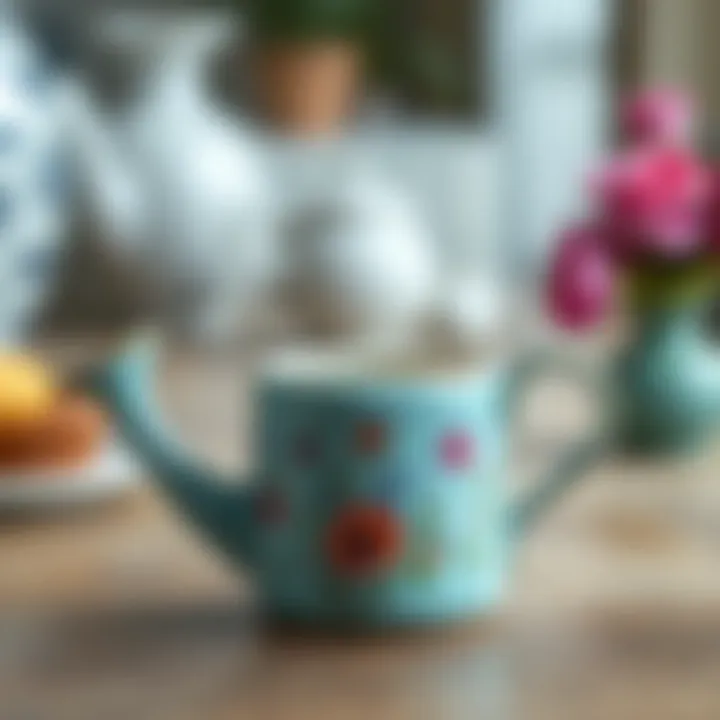
Ceramic miniature watering cans bring a wonderful artistry to the table. Known for their intricate designs and glossy finishes, ceramic options offer a sophisticated touch often sought after in home decor. The intricate detailing that can be achieved with ceramics, combined with the choice of vibrant hand-painted patterns, make them not just practical tools but also beautiful conversation starters.
Nevertheless, ceramic has its ups and downs. It is prone to breaking when dropped and is heavier than other materials, which may not be ideal for all gardening scenarios. Its fragility can be a downside when considering utility in gardening, leading to a more decorative than functional role.
Recycled Materials
The use of recycled materials for miniature watering cans embodies the spirit of sustainability, making them an increasingly popular choice among eco-conscious consumers. Many brands are now producing watering cans from repurposed plastics and metals, thereby diminishing waste and promoting environmental responsibility. Not only does this align with green living goals, but it also offers unique designs that often come with personality, thanks to the creative processes involved in repurposing these materials.
However, the crafting of recycled products can sometimes lead to inconsistencies in quality, which may not align with the expected durability of traditional materials. It’s crucial for buyers to ensure that they’re selecting well-made recycled products to enhance their gardening experience without sacrificing reliability.
Aesthetics and Functional Design
When analyzing the aesthetics alongside functional design, it becomes apparent that they are not mutually exclusive for miniature watering cans. A well-designed watering can should not only perform its duty efficiently but also complement its surroundings, enhancing the visual landscape of a home or garden. Many consumers today desire that perfect blend where beauty meets practical usability, leading to innovative designs that are both striking and effective.
Color and Finish Trends
The latest trends in color and finish for miniature watering cans reflect broader design movements across home goods, from muted earth tones to radiant neons. The trend increasingly skews towards personalization, allowing users to choose cans that resonate with their individual styles, whether minimalist, bohemian, or chic urban.
"The charm of miniature watering cans isn't merely in their function but how well they play with the surroundings, adding personality and flair to everyday tasks."
From matte finishes that imbibe sophistication to glossy stunners that pop visually, the choices available can dramatically change how an environment feels. As new materials and production techniques evolve, one can expect to see continual shifts and creativity in the designs and preferred aesthetics of miniature watering cans.
Practical Applications
When it comes to understanding the versatility of miniature watering cans, it’s vital to consider their practical applications. These tiny tools serve not just a functional role in gardening, but also contribute visually to design aesthetics in home decor and beyond. Users appreciate their compact size, which makes it easier to maneuver in tight spaces or amongst delicate plants. Moreover, the growing trend of indoor gardening highlights the importance of these watering cans. They are not simply accessories; they are tools that enhance one’s gardening experience while adding a personal touch to the environment.
Indoor Gardening Uses
Hydroponics
In hydroponics, miniature watering cans play a crucial support role. This soil-less method of growing plants allows for a controlled environment where nutrients are easily delivered directly to the plant roots. The key characteristic of hydroponics is its efficiency. By eliminating soil, plants can absorb more nutrients in less time, making it a popular choice for urban gardeners with limited space.
One unique feature of hydroponics is the ability to grow plants faster, which can be particularly beneficial for individuals looking to maximize productivity in minimal settings. However, it requires some upfront investment in equipment and more attentive care. Still, for those willing to embrace the learning curve, the results can be astonishing.
Terrariums
Terrariums offer a miniaturized ecosystem that captivates many gardening enthusiasts. They create a lush, green corner in homes and offices, turning small spaces into vibrant landscapes. What sets terrariums apart is their self-sustaining nature; the enclosed environment recycles moisture and nutrients. This characteristic makes them a splendid educational tool for children and adults alike, promoting an understanding of ecosystems.
Another appeal of terrariums is their artistic potential. Arranging plants within a glass container allows for endless creativity. However, some may find that maintaining the right humidity levels requires vigilance, especially in non-regulated climates. Yet, the aesthetic payoff and enjoyment often outweigh the challenges.
Succulent Care
Succulent care stands out for its relatively low maintenance, making it ideal for busy lifestyles. Miniature watering cans prove quite useful here, offering precise control over how much water gets delivered to these thirsty plants. The characteristic feature of succulents is their ability to store water in their leaves, which adapts them to arid environments. This strategic advantage means they thrive on infrequent watering, making them very popular among urban gardeners.
The unique benefits of succulent care extend to their broad availability for anyone interested in gardening, allowing for diverse choices. Some may argue that neglecting them can lead to trouble, as too much watering can quickly lead to root rot. However, for garden enthusiasts, the manageable nature of succulents accompanied by proper watering techniques can truly elevate their indoor spaces.
Outdoor Gardening Applications
Seedling Preparation
Seedling preparation is an essential step in the gardening process. The use of miniature watering cans ensures that young plants receive just the right amount of nourishment as they start their life cycle. This specific aspect is particularly vital as seedlings are sensitive and can easily be overwatered. The precise spout of a miniature watering can allows for careful delivery of moisture, reducing the risk of disrupting delicate roots.
What makes this approach beneficial is its applicability in various gardening conditions, from balcony gardens to larger outdoor plots. However, one must keep in mind that seedlings require consistent monitoring too. The handy nature of these watering cans allows for quick adjustments between watering sessions, which can significantly influence growth outcomes.
Container Gardens
Container gardening is on the rise, especially in urban settings where space can be constricted. Miniature watering cans shine in this context as well, as they provide an efficient way to hydrate plants without the risk of overflowing or damaging delicate soils. A distinguishing feature of container gardens is their mobility; gardeners can rearrange or relocate them as desired.
The versatility of container gardens allows individuals to experiment with different plant combinations and arrangements. It can be a fun and educational experience that encourages creativity. Nevertheless, the limitation lies in the necessity to frequently check moisture levels, as containers can dry out quickly under sun exposure or in windy conditions. Yet, the joy of personalizing a container garden often offsets these challenges, illustrating the dual role of these watering cans in enhancing both practicality and creativity.
Miniature Watering Cans as Decorative Elements
Miniature watering cans serve not just as useful tools for nurturing plants but also as charming decorative items. Their unique visual appeal can lend a whimsical touch to various spaces, making them essential in both functionality and style. As these small vessels find their way into home decor, they offer a fresh take on personalizing environments. Integrating them into design enhances not only aesthetics but encapsulates a love for gardening and nature.
Incorporating in Home écor
Table Centerpieces
When it comes to table centerpieces, miniature watering cans shine with their versatility. Placing one on a dining or coffee table can instantly elevate the space, creating focal points that invite conversation. The key characteristic of using miniature watering cans as centerpieces is their ability to combine form and function. These cans can be filled with fresh flowers, dried arrangements, or even colorful pebbles, making them ideal for varied decor styles.
- Unique Feature: The small size allows for easy arrangement alongside other decor items. They don't monopolize space but rather enhance the overall ambiance.
- Advantages: They are lightweight, and movable, and can be changed seasonally to keep decor fresh.
- Disadvantages: They might look out of place in more formal settings if not chosen carefully; size and color must complement the surrounding decor.
Using miniature watering cans in centerpieces offers creativity and personalization, allowing homeowners to express their unique tastes while celebrating the beauty of nature.
Wall Decorations
Miniature watering cans as wall decorations present a quirky yet elegant design choice. They can be hung individually, or as part of a themed gallery wall, bringing vibrancy and depth to otherwise plain walls. The key characteristic of using these items for wall decor is their ability to induce nostalgia and warmth while supporting a nature-forward aesthetic.
- Unique Feature: They serve dual purposes— as art pieces and as planters for small air plants or succulents, merging beauty with functionality.
- Advantages: Wall-mounted watering cans create a three-dimensional aspect in decor, drawing the eye and allowing for vertical garden solutions in small spaces.
- Disadvantages: They require wall adhesives or hardware that may not be suitable for all wall types, posing a challenge during installation.
Opting for miniature watering cans as wall decor can foster unique expressions of creativity, adapting to individual styles while remaining practical.
Symbolic Significance in Design
mini watering cans can also carry symbolic meanings in design. They represent growth, nurturing, and the cycle of life— aspects inherent in gardening. By incorporating these pieces, decorators use the symbolic nature to instill feelings of warmth and care within the home. Furthermore, integrating such elements can highlight a commitment to sustainability and nature, essential values in today’s increasingly eco-conscious society. It suggests not just a love for plants but also a deeper appreciation for the environment, bridging decorative elements with personal beliefs.
Sustainability and Eco-Friendliness
The conversation surrounding sustainability is more relevant today than ever. As we face serious environmental challenges, integrating eco-friendly practices into our daily lives becomes not just a choice but a necessity. This article spotlights miniature watering cans, which, while seemingly simple, possess profound significance in promoting sustainable gardening and design. By analyzing their contributions to environmentally conscious practices, we can provide a better understanding of their role in our systems of design and utility.
The Role of Miniature Watering Cans in Sustainable Practices
Miniature watering cans embody dual functions that extend beyond merely watering plants. They serve as mentors in sustainable gardening by illustrating effective water management. Unlike larger, more cumbersome tools, these petite devices encourage mindfulness. People can take the time to appreciate their plants, ensuring every drop counts. This not only preserves water but fosters a deep bond with nature.
"Small tools can lead to big changes; it’s the little things that water the roots of sustainability."
Moreover, miniature watering cans have found their niche in urban gardening. By utilizing these smaller tools, people gardening in cramped spaces can effectively manage their resources. They can nurture potted plants without dousing them in excess water. This is especially important in regions that suffer from water restrictions or drought.
Additionally, using miniature watering cans can reduce the carbon footprint associated with larger gardening equipment. The production and distribution of these smaller tools require less energy. This reduction in resource use aligns well with the principles of sustainability, encouraging users to consider their tangible impact on the environment.
Choosing Recyclable Materials
The choice of materials for miniature watering cans plays a key role in their sustainability. Many manufacturers now prioritize recyclable and eco-friendly materials, a trend that aligns with the broader push for sustainable living.
When selecting a miniature watering can, look for those made from materials such as:
- Recycled plastic: Often durable and lightweight, creating new products from recycled plastic reduces waste and environmental harm.
- Bamboo or wood: These natural materials can give a warm, rustic feel while being biodegradable at the end of their life cycle.
- Metal: Cans made from recycled metals are also viable options, as they can last long and are fully recyclable.
Investing in products made from recyclable materials not only supports eco-friendly manufacturing practices but also sets a positive precedent. It conveys a message to the suppliers and the wider market about the importance of sustainable business practices. Customers can take pride in knowing that their purchase reflects a commitment to creating a healthier planet.
Creative DIY Ideas
Miniature watering cans offer more than just a practical function; they serve as a blank canvas for creativity in both gardening and home decor. DIY projects centered around these tiny tools can transform ordinary items into extraordinary pieces that reflect personal style and flair. Engaging in creative DIY ideas with miniature watering cans has numerous benefits. Not only does it enhance the aesthetic appeal of a living space, but it also allows for a more hands-on approach to gardening. With a touch of imagination and a sprinkle of effort, these little cans can become functional art pieces.
Personalized Painting Techniques
When it comes to personalizing your miniature watering can, painting is a first-rate option. This approach lets your artistic side shine while contributing to the unique character of the object. Begin by selecting a base color that resonates with your taste; think pastel hues for a soft, whimsical touch, or bold colors for a striking statement.
To set the stage for your masterpiece, it's wise to prep the can's surface. A quick wash and drying is often sufficient, but if you’re working with a metallic or ceramic surface, a gentle sand down might do the trick, allowing the paint to adhere better. Consider using acrylic paints, known for their quick-drying time and robust finish.
Once you've got your colors ready, the fun starts. You might want to employ techniques like:
- Sponge Painting: For a textured look, use a sponge to dab on different colors, blending as you go.
- Stenciling: Create shapes and patterns with stencils, offering a professional touch.
- Freehand Designs: If you’re feeling brave, go for a freehand design, where your creativity can really come alive.

Remember to finish it off with a clear sealer. This step not yalnızs protects your artwork but also enhances the can's longevity.
Upcycling Projects
Upcycling is an excellent way to breathe new life into items that might otherwise be discarded. Miniature watering cans can often be fashioned from materials that seem unworthy of a second glance, such as tin cans or plastic bottles. This practice goes beyond mere decoration; it plays a role in sustainable living by reducing waste.
Consider the following upcycling ideas:
- Planters: Take an old, dented can, paint it, and fill it with soil and succulents. Not only does it provide greenery, but it also adds an enchanting touch to any space.
- Wall Art: If you have more than one miniature watering can, cluster them together on a wall. You can paint them and hang them in a way that simulates a garden. Each can could even hold small plants or herbs, creating a vertical garden effect.
- Functional Decor: Transform a can into a unique holder for kitchen utensils or as a pen holder on your desk. The adaptability of miniature watering cans means they can serve both decorative and practical purposes simultaneously.
Embracing these creative DIY ideas allows you to refresh your surroundings while showcasing your personality. Dive into painting and upcycling projects that transform the unassuming miniature watering can into a vibrant centerpiece, making a statement in any space.
Hangout Spaces: Designing with Miniature Watering Cans
Miniature watering cans have found a special corner in the hearts of homeowners, decorators, designers, and DIY enthusiasts alike, particularly in creating playful and charming hangout spaces. These tiny yet functional pieces don’t just serve a purpose in gardening; they add character and whimsy to various environments. Incorporating them into hangout areas brings about a blend of utility and aesthetics, offering both visual appeal and practical functionality.
Gardening Corners in Homes
Small nooks in homes dedicated to plants are becoming increasingly popular. Miniature watering cans fit seamlessly into these gardening corners, whether tucked on a shelf near a window or displayed atop a table with a green tablecloth. Their bright colors and unique designs catch one’s eye, serving as both a gardening tool and art piece, bringing joy to plant caretaking.
The benefits of including miniature watering cans in these spaces are plentiful:
- Ease of Use: With their manageable size, these cans are easy to handle, especially for indoor gardening. They can be used for a sip of water for plants without the response of heavy lifting.
- Stylish Decor: When stacked or arranged artistically, they can illuminate the corner, transforming a mundane area into a serene oasis. Creativity knows no bounds here; one can pair them with rocks, soil, or even artistic labels for that complete touch.
Café and Restaurant Decor
In the world of cafés and restaurants, creating an inviting atmosphere can sometimes hinge on the smallest details. Miniature watering cans can be integral to this! Picture a warm, earthy café with eclectic decor. Small watering cans filled with fresh herbs, for instance, add not only a pop of color but also a fragrant touch that enhances the dining experience.
These mini cans can also be used creatively for table decorations:
- Table Centerpieces: Imagine each table adorned with a mini watering can, complete with seasonal blooms or even snacks for patrons. This culinary twist can evoke a garden-themed menu, creating an immersive experience.
- Unique Message Holders: They can serve as quirky signage holders displaying daily specials or highlighting house-made dishes, combining practicality with expression in a fresh way.
To sum it up, whether in a cozy corner at home or a bustling café, miniature watering cans form a bridge between design and utility. They invite creativity and charm into spaces that might otherwise feel lacking in personality, transforming them into delightful hangout areas that celebrate the beauty of nature and aesthetic innovation.
Epilogue: Embracing the Miniature in Functional Design
The exploration of miniature watering cans reveals how such small items carry significant weight in both design and utility. They are not merely tools for watering plants but serve as symbols of creativity and craftsmanship while enhancing spaces both indoors and outdoors.
As homeowners and designers seek unique ways to personalize their environments, miniature watering cans emerge as versatile design elements. They can easily become focal points in gardens, setting a tone of whimsy or sophistication, depending on their style and placement. Their importance goes beyond aesthetics; they assist in practical gardening applications, encouraging individuals to engage more directly with their plants, and therefore, nature.
Future Trends in Miniature Gardening Tools
Looking ahead, the future of miniature gardening tools like these cans is bright and packed with innovation. Trends indicate a shift towards sustainable practices, emphasizing eco-friendly materials. Items made from recycled plastics or natural fibers are gaining popularity, catering to a market increasingly conscious of environmental impacts.
Additionally, the integration of smart technology into gardening tools is set to take center stage. Imagine miniature watering cans that can measure soil moisture or alert you when your plants need water through an app. Market research suggests that the fusion of traditional gardening wisdom with modern technology will redefine how these tools are used in gardens.
Here's what to watch for:
- Eco-friendly Materials: Expect more options made from recycled resources.
- Smart Features: Innovative designs integrating technology for convenience and efficiency.
- Customization: DIY aspects allowing users to create personalized designs, encouraging a deeper connection to gardening.
Final Thoughts on Aesthetic and Utility
In the end, miniature watering cans stand at the intersection of beauty and practicality. They allow for self-expression while serving a clear function. As more people dive into gardening or home decor, these tools offer a pathway to both creativity and care for our plants.
Integrating miniature watering cans into various spaces can reflect personal style or thematic elements within a room or garden. Their charm and versatility resonate with diverse audiences, from homeowners sprucing up their spaces to designers seeking unique elements for projects.
In summary, the journey through this article highlights how miniature watering cans are much more than their practical purpose. They invite us to embrace charm, sustainability, and innovation, showing that sometimes, less is indeed more.
"Design is thinking made visual." - Saul Bass
So, next time you're contemplating your gardening or decor choices, consider how something as small as a miniature watering can could inspire your creativity and functional intent.
Relevant resources for further reading: