Exploring the Intricacies of Moon Wall Art on Canvas
Intro
Moon wall art on canvas has captured the imagination of many, serving as a symbol of serenity and mystery. This enchanting form of artistic expression not only showcases the beauty of lunar imagery but also plays a pivotal role in modern interior design. Within the folds of history, lunar representations have inspired artists and laypeople alike, embodying a connection to the celestial sphere that transcends mere decoration. As you explore the intricacies of moon wall art, you'll learn about its historical context, various artistic styles, and essential tips for selecting and displaying these captivating pieces.
In today's retail landscape, where trends often come and go like the phases of the moon, understanding the significance and practical implications of moon-themed art becomes invaluable. This guide aims to cater to a wide audience, including homeowners, decorators, designers, DIY enthusiasts, and retailers, offering insights that go beyond simply picking a pretty piece off the wall. Let's illuminate the canvas with the stories, styles, and substance of moon wall art.
Understanding Moon Wall Art Canvas
In recent years, moon wall art on canvas has garnered significant attention within the realm of home decor. This section aims to dissect the concept and importance of moon-themed artwork, revealing its potential to elevate the aesthetic appeal of any space. Understanding moon wall art canvas is crucial for homeowners, decorators, designers, and DIY enthusiasts alike, as it not only serves as a decorative element but also embodies deeper meanings and inspirations drawn from the celestial body that has fascinated humanity for centuries.
Defining Moon Wall Art
Moon wall art primarily refers to artwork that depicts various representations of the moon, whether realistic or abstract. This type of art often utilizes canvas as a medium, enhancing its versatility and durability. The versatility of canvas allows for an array of artistic styles, from detailed astronomical depictions to whimsical, dreamlike interpretations. The notion of ‘moon wall art’ encompasses both the artistic representation as well as the emotional and thematic elements that such imagery can convey.
In many cases, the moon is not merely an object in the sky but a symbol of various themes, including mystery, tranquility, and even romance. The moon has been a source of inspiration for various artists and cultures throughout history, each influencing how it appears in modern art. By defining what constitutes moon wall art, one can better appreciate its nuanced roles in both interior design and emotional connection.
The Appeal of Lunar Imagery
The allure of lunar imagery extends beyond its visual beauty. Many individuals are drawn to the moon for its connection to nature and the universe. The moon's changing phases evoke a sense of rhythm and cyclical nature, which can be calming and grounding in an often chaotic world. By bringing moon art into one's living space, an individual might cultivate a serene environment that promotes reflection and mindfulness.
Moreover, lunar art often resonates with feelings of nostalgia and wonder. It appeals to people on a personal level, reminding them of nights spent under the stars or cherished memories associated with certain phases of the moon. Therefore, incorporating moon wall art can go beyond decor; it becomes a personal statement, resonating with emotions and experiences.
To sum up, understanding moon wall art canvas is a fundamental step toward enhancing one's living space. Not only does it enrich the aesthetic with its unique charm, but it also invites the homeowner and their guests to explore the deeper meanings behind its imagery.
"Art is not what you see, but what you make others see." - Edgar Degas
In the next sections, we will delve deeper into the historical context of lunar art, artistic styles it can embody, and practical tips for selecting the best moon art to suit your needs.
Historical Context of Lunar Art
Understanding the historical context of lunar art is crucial as it reveals how deeply interwoven the moon has been in the fabric of human expression. From ancient times when the moon was a beacon guiding travelers, to today’s modern interpretations captured on canvas, its representation in art has evolved dramatically. This investigation not only enriches our appreciation of moon wall art but also fosters a connection between the observer and the deeper meanings embedded in these artworks.
Lunar Imagery Throughout History
Lunar imagery isn't just a passing trend; it boasts a long-standing lineage that stretches back thousands of years. Ancient civilizations, such as the Mesopotamians and Egyptians, often deified the moon, attributing it with significant powers over nature and human fate. Artifacts inscribed with moon motifs have been discovered in archaeological digs, showcasing its reverence in spiritual practices and daily life.
In classical Greece, lunar motifs appeared in pottery and sculpture, symbolizing the balance between night and day. Fast forward to the Renaissance, artists such as Galileo illustrated the moon’s surface in intricate detail, not merely role-models of beauty, but veils over scientific inquiry. The romantic period further shifted this focus, attaching emotional and philosophical significance to the moon as it represented the sublime.
Today, artists continue to draw upon this rich history, intertwining traditional techniques with modern sensibilities. The moon serves as a powerful allegory for imagination and reflection, which directly resonates with contemporary audiences seeking to adorn their spaces with meaning.
Cultural Significance of the Moon
Symbolism in Different Cultures
When one looks at moon symbolism across various cultures, a tapestry of meanings unravels. In many Asian cultures, for instance, the moon is associated with femininity and cycles of life. In Chinese traditions, the Mid-Autumn Festival celebrates the harvest moon, symbolizing reunion and harmony within families. This becomes evident in local arts and crafts, featuring lunar motifs that remind people of their roots.
In tribal cultures of Africa and the Americas, the moon often embodies guidance and navigation, helping to tell time long before mechanical clocks. Incorporating moon wall art that reflects these rich narratives adds depth and sophistication to any art collection. With a strong emphasis on community and heritage, such representations can anchor any space, inviting contemplation and connection.
Inspiration for Poetry and Art
The captivating allure of the moon has been a muse for poets and artists throughout the ages. Literary giants such as Pablo Neruda and John Keats frequently conjured vivid imagery of the moon, portraying it as a lover and a transient presence, stirring deep emotions. This interplay between art and literature highlights the moon's role in channeling human experience, serving as an evergreen source of inspiration.
Visual artists, meanwhile, transform these poetic visions into tangible expressions. The unique feature of moon-inspired poetry often encapsulates the essence of longing, serenity, and the fleeting nature of time. By intertwining these artistic realms, the moon continues to bridge gaps between different mediums.
As homeowners or decorators consider wall art, selecting pieces influenced by this age-old muse means bringing not just beauty but a narrative that resonates with depth and richness into their environments. While trends come and go, the moon remains a timeless subject that encourages both introspection and appreciation for art's ability to convey complex emotions.
Artistic Styles in Moon Wall Art
The exploration of artistic styles in moon wall art goes beyond mere aesthetics; it's about the resonance these styles have with our emotions and environments. Each style tells a unique story or evokes a different feeling, allowing homeowners and designers to convey their visions through lunar imagery. When it comes to transforming a space, understanding the various approaches available helps individuals pick pieces that not only elevate aesthetic appeal but also foster personal connections.
Abstract Interpretations
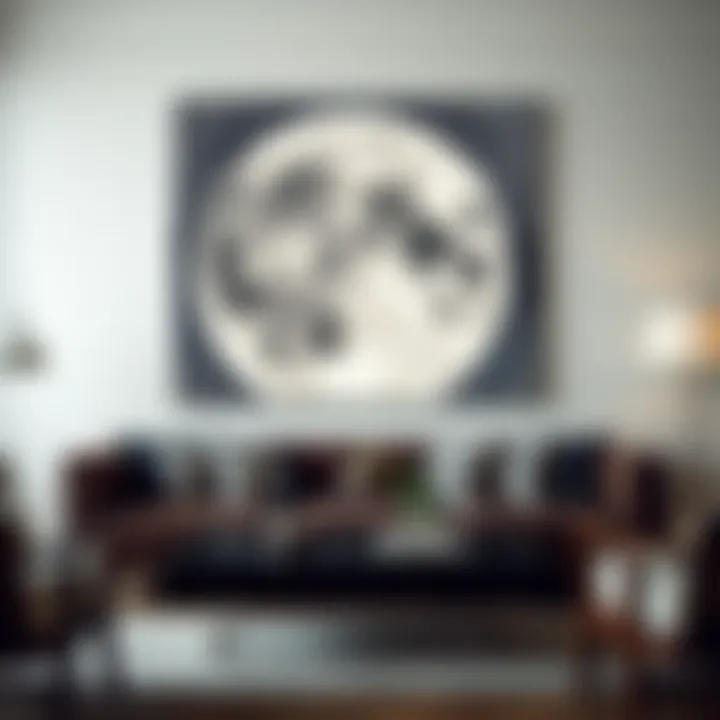
Abstract interpretations of moon wall art create an atmosphere that is open to imagination and personal interpretation. Rather than showcasing the moon in a realistic manner, these pieces often play with colors, shapes, and forms that evoke feelings rather than depict reality. This style encourages the observer to engage with the art on a deeper level, provoking thought and sparking various interpretations.
For instance, an abstract artwork might utilize shades of deep blue and silver to suggest the night sky rather than depict it. The undulating shapes could conjure emotions ranging from tranquility to wistfulness, resonating well in spaces meant for relaxation, like bedrooms or meditation corners.
Consider the following benefits of abstract interpretations:
- Flexibility in Placement: Color schemes can often be matched with diverse decors, making it easier to integrate into existing spaces.
- Personal Connection: Viewers are invited to project their own emotions and interpretations, making the art feel personal.
- Dynamic Conversations: Abstract pieces often spark dialogue among viewers, enriching the environment with shared ideas and reflections.
Realistic Representations
In contrast to the abstract approach, realistic representations aim to capture the moon as it appears in nature. These artworks can range from stunning, detailed depictions of the lunar surface to serene landscapes featuring the moonlit sky. This style has a profound allure—bringing a piece of the celestial world into our homes, serving as a reminder of the beauty that exists beyond our earthly confines.
The realism in lunar art can create a sense of awe and appreciation for the cosmos, making it suitable for a variety of settings. Realistic images enhance the ambiance of living rooms or studies, where they can stir feelings of inspiration and wonder.
Key aspects to consider when selecting realistic representations include:
- Detailing and Craftsmanship: Pay attention to the skill and technique displayed; the better the detailing, the more captivating the piece.
- Color Precision: Well-executed realism captures not just the moon, but its surrounding context, including the gradients of twilight, which can influence the mood of a space.
- Emotional Impact: Realistic imagery connects viewers to a sense of place, evoking nostalgia or dreams of exploration.
Mixed Media Approaches
Mixed media approaches to moon wall art blend various techniques, materials, and styles to create multidimensional pieces that stand out. These artworks may incorporate traditional painting with elements of collage, fabric, or digital prints, adding layers of texture and visual interest. Different media allow artists to experiment with what the moon represents, offering fresh perspectives and innovative aesthetics.
Utilizing mixed media can invite curiosity and engage viewers in unique ways. For instance, canvas pieces that combine paints with natural materials like sand or stone can give a tactile experience, enhancing the viewer's appreciation of the artwork's depth. Mixed media artworks also tend to appeal to broader audiences due to their distinctive qualities.
When evaluating mixed media moon art, consider:
- Textural Variety: Different materials can evoke a diverse range of sensory experiences, affecting how a piece is perceived.
- Versatility in Design: Mixed media can harmonize with eclectic designs, making them a fitting choice for diverse interior style preferences.
- Innovative Interpretations: The use of multiple mediums often leads to more imaginative representations of lunar themes than traditional techniques alone.
With these artistic styles laid out, it's clear that moon wall art can serve as a pivotal element in home décor, marrying aesthetics with sentiment, inviting curious conversation and inspiring tranquility. Explore the different styles to discover how lunar imagery can resonate within your indoor spaces.
Techniques and Mediums Used
When diving into the realm of moon wall art on canvas, understanding the techniques and mediums used is crucial. These elements not only define the quality and aesthetic of the artwork but also influence how well it resonates with viewers. The medium a piece is created in can reveal much about the artist's intent and the emotional response it aims to invoke. Whether it be the texture of the canvas or the technique of application, these choices can make all the difference in how the viewer experiences the artwork.
Canvas Types and Materials
The foundation of any canvas artwork is, naturally, the canvas itself. The kind of canvas selected can greatly influence both the artistic process and the finished piece. Numerous options are available, each with its own set of properties.
- Cotton Canvas: Often favored for its versatility and affordability, cotton canvas absorbs paint well, allowing for vibrant colors. This can be ideal for those softer, dreamier lunar pieces that emulate the glow of the moonlight.
- Linen Canvas: Known for its durability and fine texture, linen is often considered superior by professional artists. This material tends to have a luxurious feel and offers a beautiful surface for detailed works.
- Synthetic Canvas: An option that offers water resistance and durability. For artwork meant to be placed in more humid environments, synthetic canvas can be a go-to choice.
Each type of canvas brings a distinct quality to the artwork, influencing how the colors pop and breathe. Homeowners should take these materials into account when selecting their moon art, as the texture and durability of the canvas can affect its longevity and aesthetic in their space.
Painting Techniques for Lunar Art
Lunar art can be rendered through various painting techniques, each offering unique pathways for creators to express the splendor of the moon. There are two noteworthy methods worth examining further: Oil and Acrylic techniques and Digital illustrations.
Oil and Acrylic Techniques
When it comes to traditional painting methods, oil and acrylic techniques reign supreme. Using oil paints results in rich colors and a stunning depth that remains unmatched. Artists who opt for this medium can achieve a luminescent quality in their works, perfectly capturing the mysterious aura of the moon.
Key characteristics include:
- Blendability: Oil paints allow for smooth blending of colors. This characteristic can create seamless transitions in the night sky or the texture of the moon’s surface.
- Slow Drying Time: This allows artists to work longer on details, refining their artwork without feeling rushed.
However, these benefits come with some drawbacks. Oil paints take longer to dry, which can be seen as both a blessing and a curse. If a creator wants to exhibit their piece soon after it's finished, this could be problematic. Acrylic paints, on the other hand, dry quickly and provide bold colors, making them a favorite among many contemporary artists.
Digital Illustrations
With the advancements in technology, digital illustrations have carved out their own niche in the world of moon art. Many artists are leveraging tools like Adobe Illustrator or Procreate to craft stunning lunar pieces that can be easily replicated or modified.
Key Characteristics of digital illustrations include:
- Endless Flexibility: Artists can experiment without the fear of ruining a canvas. Changing colors or making adjustments is as simple as a click.
- Accessibility: These techniques permit art to be shared online with ease, reaching fans worldwide at the click of a button.
The main drawback is that digital art can sometimes lack the tactile quality that physical canvases offer. Collectors who appreciate the feel of authentic brush strokes might lean more towards traditional methods. Overall, choosing between digital and traditional mediums depends largely on personal preference and the desired final outcome.
In sum, the techniques and mediums utilized in moon wall art are diverse and offer rich avenues for expression. Understanding these elements can enhance not just the artistic process but also the viewer's appreciation of the artwork displayed.
Selecting Moon Wall Art for Your Space
Choosing the right moon wall art can be more than a simple aesthetic decision; it serves as a way to integrate personal style with the overarching atmosphere of your living space. When homeowners or designers embark on this journey, several specific elements should be considered, including size, scale, and color schemes. Seemingly minor choices can lead to a harmonious look or create discord in a room. Thus, understanding these considerations is pivotal in enhancing your interior.
Considerations for Size and Scale
When it comes to any artwork, especially moon-themed pieces, the size is an essential factor that can either elevate or diminish a room's ambiance. A canvas that's too small may get lost on a large wall, while an oversized piece can overpower a small space. Here are some crucial points to ponder:
- Proportions Matter: A good rule of thumb is to aim for a piece that covers approximately 60-75% of the area where it will hang. This approach often results in a balanced look that draws the eye without overwhelming the space.
- Wall Dimensions: Measure your wall before making a purchase. A vast expanse of color may suit a spacious living area, but in a narrow hallway, a narrower triptych showcasing different moon phases might deliver an intriguing effect.
- Contextual Placement: Think of your moon art in relation to other elements in the room. For example, if you are placing it above a couch, ensure it aligns at eye level, which typically falls around 57-60 inches from the floor. This alignment enhances the visual appeal and invites interaction with the artwork.
Ultimately, the right size and scale can make your moon art not just a piece of decoration but a statement that complements your space.
Color Schemes and Complementarity
Color schemes can dramatically alter the mood of a room, and this holds particularly true with moon-themed art. The colors found in moon wall art can harmonize or contrast with the existing palette of your space. Consider these aspects:
- Mood Enhancement: Soft greys and blues within lunar art can cultivate a calm atmosphere, making them ideal for bedrooms or meditation spaces. Conversely, vibrant colors incorporated alongside the moon might speak to a more spirited lifestyle, suitable for social areas.
- Complementary Colors: Using a color wheel can help you identify complementary colors to blend with your moon art. For instance, if your walls are a deep navy, consider art that features light pastels or bright whites to create balance and interest. This dance of light and darkness mimics the moon’s own contrasts and can enrich your decor.
- Layering Textures: Combining moon art with textured elements can also be beneficial. If your moon canvas leans toward bold colors, pairing it with softer textiles or wooden elements can create a well-rounded visual feast.
"Art is not what you see, but what you make others see." – Edgar Degas.
For further reading on art placement in interior design, you may visit Architectural Digest, or check out detailed discussions on color theory at Wikipedia on Color Theory.
Purchasing Moon Wall Art Canvas
The decision to purchase moon wall art on canvas holds significant importance in both personal expression and interior design. Moon imagery evokes a sense of calm and wonder, making it an excellent choice for various living spaces. In this section, we'll explore the key aspects of buying moon-themed artwork, from where to find unique pieces to understanding what you are really paying for.
Where to Buy: Online vs. Local Artisans
When it comes to acquiring moon wall art, the choice between online platforms and local artisans presents distinct advantages and challenges.
Online Shopping
The internet opens a vast marketplace, allowing you to peruse an extensive range of artworks from the comfort of your home. Here are a few key points to consider:
- Diversity: Numerous online websites—like Etsy, Saatchi Art, and Society6—offer a plethora of options from artists around the world. You can find styles from minimalistic designs to intricate realistic paintings.
- Customization: Some platforms enable personalized commissions, where you can ask artists to create a piece that resonates with you personally.
- Comparative Shopping: Online, it’s easier to compare prices and styles side by side, ensuring you find the best fit for your aesthetic and budget.
Local Artisans
On the other hand, local artisans bring the craftsmanship and personal touch that online marketplaces may lack. Here’s why you might choose to buy locally:
- Quality and Authenticity: Purchasing directly from artists can ensure quality and authenticity. Meeting the creator can offer insights into the piece and its inspiration, fostering a deeper connection.
- Supporting Local Economy: Buying from local shops or galleries supports the community and helps sustain local artists.
- Instant Gratification: Unlike online shopping, where shipping can take days or weeks, buying locally means you can walk away with your artwork in hand.
Ultimately, the decision heavily relies on your personal preferences—whether you value the convenience of online shopping or the unique experience of supporting local talent.
Understanding Pricing and Value
Getting a grip on the pricing of moon wall art canvas can feel like navigating a maze, but understanding what influences these prices can help you make informed choices. Here are several factors to keep in mind:
- Artist Reputation: Emerging artists often have lower price points compared to established ones, so consider the narrative behind the artwork.
- Size and Complexity: Larger pieces or those with intricate detail generally come at a higher cost. A simple crescent moon may be a steal, while a full moon landscape can command a premium.
- Medium and Technique: The materials used also play a crucial role. Oil paintings often cost more due to the artistry involved compared to prints.
Understanding how pricing correlates to artistry can help you appreciate the true value of your purchase, elevating your art-buying experience.
In summary, when purchasing moon wall art canvas, whether online or through local artisans, and comprehending the factors influencing price, equates to making smarter, more gratifying art selections.
Displaying Moon Wall Art
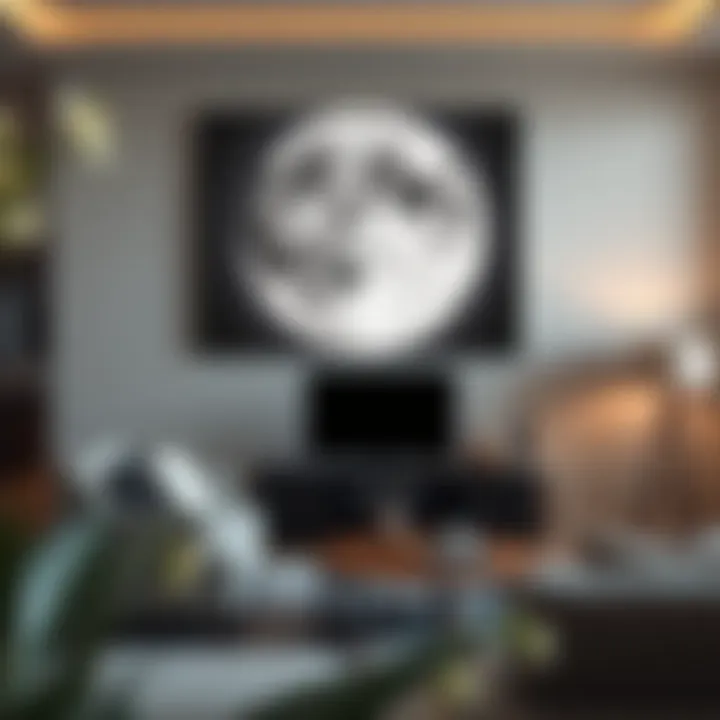
Displaying moon wall art extends beyond merely setting a piece of art on a wall. It embodies the combination of personal expression and careful consideration of space. For homeowners, decorators, and DIY enthusiasts alike, the way lunar imagery is showcased can enhance the ambiance of a room. Whether it's a serene bedroom, a vibrant living room, or a tranquil hallway, moon wall art can bring an atmosphere that resonates with peace, mystery, or even inspiration.
When you find the right piece, it acts not only as decoration but also as a conversation starter. People are often drawn to lunar themes because they evoke emotions and play with the imagination. Having a work of art that resonates with the viewer can elevate an interior design project, intertwining aesthetic appeal with a personal story.
In this section, we look at specific elements that can impact how moon wall art takes shape in your space. From color schemes to arrangements, each choice holds significance.
"Art must be an integral part of life, engaging with us and inviting us into new realms of understanding."
Creating a Cohesive Gallery Wall
Building a gallery wall requires a touch of artistry and planning. When integrating moon wall art into such a display, it’s essential to think about harmony and balance. One effective strategy is to choose a common color palette. For instance, if your moon piece features deep navy and white, consider artworks that share these hues while offering contrast through their respective elements.
Mixing Different Styles – It could be worth mixing abstract lunar pieces with landscapes featuring moonlit scenery. This blend can give an engaging variance to the overall presentation yet still keep its lunar theme intact. Here’s how to go about it:
- Choose a Focal Point: Begin with the moon art as a highlighted piece. This captures attention immediately.
- Add Complementary Artworks: Surround it with smaller pieces that enhance its beauty. Think of star motifs or celestial designs that create a cosmic conversation.
- Alternate Frame Styles: Different frames can add depth. A mix of wood, metal, and even frameless pieces can create visual interest without overwhelming the viewer.
Optimal Locations for Moon Art
Selecting ideal locations for moon wall art involves consideration of both natural light and viewer perspective. A well-lit space enhances the colors in the piece, allowing the subtleties of the artwork to shine through. Here are some optimal spots to consider:
- Living Rooms: Hanging moon art over a couch or a focal wall ensures it becomes part of the primary visual experience in the home.
- Bedrooms: A serene moon piece can highlight a calming atmosphere, usually best located above the headboard or adjacent to nightstands where it's visible during peaceful moments.
- Hallways: These transitional areas often go unnoticed. A statement piece can spark curiosity as guests pass through, inviting them to explore further into the home.
By carefully choosing where to display moon wall art, not only does it become a part of your decor but also enhances the overall vibe of the space, creating a haven where art and comfort coexist.
Maintaining Your Moon Wall Art
Maintaining your moon wall art is an essential aspect of preserving its beauty and longevity. Just like any other artwork, proper care ensures that the colors remain vibrant and the image retains its integrity over time. For homeowners, decorators, and designers, recognizing the value of maintaining art is key—not only does it keep the aesthetic appeal intact, but it also preserves the investment made in these pieces.
Protecting Canvas Art from Damage
Protecting your canvas art begins before the piece even finds its spot on the wall. By understanding potential threats to your moon art, you can take proactive measures. Here are some valuable tips:
- Avoid Direct Sunlight: Over time, sunlight can cause colors to fade, particularly less saturated hues. If possible, position your art where it’s shielded from direct sun exposure, or use UV-blocking glass if framing.
- Minimize Humidity Levels: Art can suffer from humidity, which may lead to mold or warping. A dehumidifier can help if you live in a damp area.
- Secure Proper Hanging: Make sure to use appropriate frames or mounting kits that fit the weight and size of your canvas. Proper support can prevent sagging or tearing over time.
- Temperature Control: Extreme temperatures can damage canvas art, causing it to crack or shrink. Maintaining a steady room temperature will help avoid these issues.
Implementing these measures can extend the lifespan of your moon wall art, making sure it remains as enchanting in years to come as it is on the day you hung it up.
Cleaning Techniques for Canvas
Cleaning canvas art is another important facet of its maintenance. Neglecting to dust your art can lead to an accumulation of dirt that may become difficult to remove later. Here are some straightforward cleaning techniques that keep your lunar imagery looking its best:
- Gentle Dusting: Use a soft, dry cloth or a feather duster to remove dust periodically. This should be your first line of defense against dirt accumulation.
- Spot Cleaning: If a stain occurs, use a barely damp cloth—too much moisture can damage the canvas. For larger stains, specialized art cleaning products can be utilized, but always test on a small area first.
- Professional Cleaning: If your moon wall art seems particularly grimy or has an extensive stain, consult a professional art conservator. They have the tools and expertise to restore the piece without causing damage.
Maintaining your moon wall art through these strategies reflects not only on its visual appeal but also on your respect for handmade craftsmanship. A little effort here goes a long way in retaining the magic of lunar imagery in your space.
The Future of Moon Wall Art
As we venture further into the aesthetic landscape of interior design, the future of moon wall art emerges as a radiant subject that deserves our attention. This category of art not only captivates with its celestial beauty but also serves as a conversation starter in homes and public spaces alike. The significance of moon wall art is rooted in its ability to evoke emotions and memories, while also merging seamlessly with contemporary design. As such, understanding future trends and technological advancements in this genre is vital for homeowners, decorators, and designers alike.
Emerging Trends in Lunar Art
In the ever-evolving world of art, new trends are surfacing that highlight the moon as a central theme. One prominent movement is the incorporation of sustainable materials into moon wall art. Artists are increasingly using recycled canvas and eco-friendly paints, reflecting a broader societal shift toward sustainability. This not only caters to environmentally conscious consumers but also adds depth to the artwork itself, as each piece tells a story of both creation and preservation.
Another trend gaining traction is the rise of personal expression through customized moon art. Consumers are increasingly seeking unique pieces that resonate with their own experiences or emotions. This trend leads to the creation of bespoke artworks, where artists collaborate with clients to capture personal moments associated with the moon.
"The moon is a symbol of change, making it a powerful source of inspiration for personal expression in art." – Art Enthusiast
Additionally, the fusion of traditional lunar imagery with modern design elements is on the rise. Think of minimalist interpretations of the moon that combine geometric shapes and lines. These works tend to appeal to a younger audience, serving as a bridge between past and present aesthetics.
Innovations in Art and Technology
The marriage of art and technology is reshaping how we experience moon wall art. One of the most exciting innovations is augmented reality (AR), which enables viewers to interact with artworks in unique ways. For instance, an AR-enabled painting could allow a viewer to see different phases of the moon when viewed through a smartphone, thus adding layers of meaning to the piece.
Digital canvases are also making waves in this realm. These screens can showcase rotating series of moon images that change based on real-world lunar phases. As such, homeowners can always display the current moon phase, bridging nature and art in real-time.
As 3D printing technology advances, artists are starting to experiment with creating tangible, three-dimensional models of moonscapes. This evolution presents a tactile experience, allowing viewers to engage with the artwork more physically.
The future of moon wall art is indeed bright, with trends pointing toward sustainability, personalization, and technological advancements that enhance our appreciation of lunar imagery. As these elements weave into the fabric of art and decoration, the role of moon wall art will only become more significant, resonating deeply with a diverse audience.