Pillow Covers: Styles, Materials, and Design Ideas
Intro
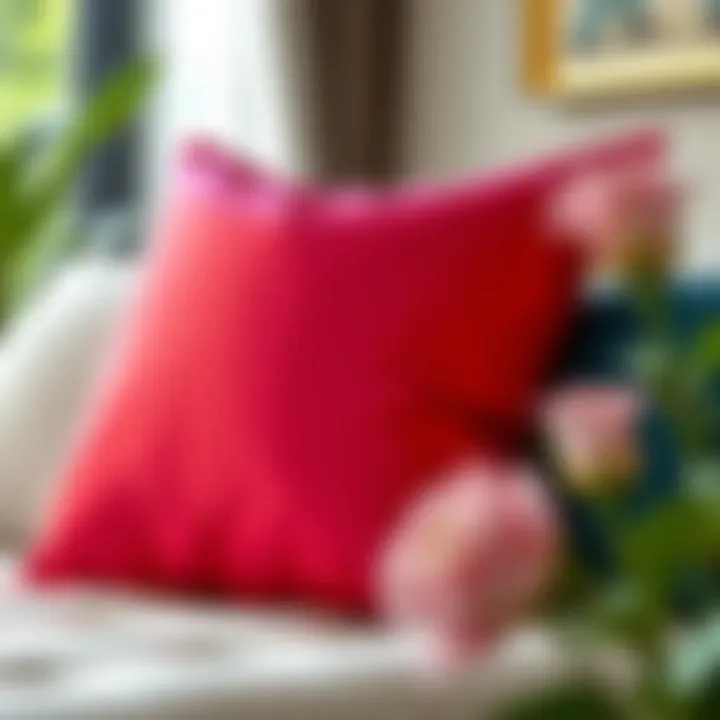
Pillow covers might seem like a small detail, but they hold significant weight in the realm of interior design. Often overlooked, these fabric pieces serve both functional and aesthetic purposes. They can transform a simple sofa or bed into a cozy haven or an artistic statement. People often underestimate the impact of the right pillow cover on enhancing the overall vibe of a space. Not only do they add comfort, they can also showcase one’s personal style and complement a room’s color scheme.
In this exploration, we will journey through the varied styles, materials, and inspirations that define the world of pillow covers. From luxurious silk to playful prints, the options available to homeowners and designers are nothing short of vast. Each selection comes with its own flair, allowing consumers to express creativity and individuality in even the little details of decor. Moreover, understanding how to choose the right pillow covers can elevate a space to new heights.
Get ready to dive into the rich tapestry of designs that pillow covers offer. We will also share practical tips on maintaining these decorative essentials to ensure they retain their beauty and function over time.
Let’s embark on this adventure together, uncovering the layers behind pillow covers that can enhance comfort and style in your home.
Prolusion to Pillow Covers
When it comes to home decor, pillow covers might seem like a small detail, but their impact is anything but minor. These fabric enclosures, serving as more than just a practical necessity, elevate the ambiance of any space, marrying comfort with style. Essentially, pillow covers can be perceived as the finishing touch that ties a room together. They enhance the living environment, adding layers of texture and color that can transform a mundane couch or chair into a visually appealing focal point.
There are several aspects to ponder regarding pillow covers – styles, materials, and how they reflect personal taste. It’s worth noting that a well-chosen pillow cover can influence the vibe of a space, conveying warmth and hospitality or sleek modernity. Imagine walking into a living room adorned with bold, patterned pillow covers. They can spark conversation and make a lasting impression, setting the mood for any gathering.
Selecting the right pillow covers also brings about practical considerations. They not only affect the aesthetics of your space but also save the pillows inside from wear and tear. This protective function extends the life of your cushions and provides a simple way to refresh a room without the need for major renovations. You can swap them out with the seasons, adjusting your decor to reflect changing moods or festive occasions.
One cannot overlook the practical angles of pillow covers—cleanliness, comfort, and upkeep. Many fabrics are designed to mask stains and wear, an invaluable trait for busy households with kids or pets. Proper maintenance of pillow covers ensures they remain an inviting part of your decor for years to come.
In exploring pillow covers, this article aims to guide you through a wealth of options available today. We’ll delve into various styles and materials, providing insight into selecting designs that resonate with your unique aesthetic.
"Pillow covers not only enhance comfort, they speak to the heart of your decorating choices."
Ultimately, the exploration of pillow covers reveals them to be an unsung hero in interior design—powerful, versatile, and essential. The journey of discovering the perfect pillow cover may just inspire a fresh wave of creativity in your home, aligning space not just with current trends, but also with your personal style.
The Functional Role of Pillow Covers
Pillow covers serve not just as decorative accessories in a living room or bedroom; they embody a practical aspect that often goes unnoticed. Understanding the dual functionality of pillow covers sheds light on their importance in our spaces. Beyond mere aesthetics, they play critical roles in enhancing comfort, offering protection, and even contributing to a room's overall theme.
Comfort Versus Style
When it comes to pillow covers, striking a balance between comfort and style can feel like walking a tightrope. On one hand, homeowners and designers are drawn to vibrant colors and trendy designs, which can spark joy and energize a space. On the other hand, the feel of the fabric against the skin is equally crucial for creating a cozy environment. Selecting a cover made from soft, breathable materials like cotton or linen can transform an ordinary pillow into a luxurious haven for relaxation.
To choose wisely, consider the intended purpose of the pillow. For example, if the pillow serves as a backrest during movie nights, opting for a softer, plush fabric is a must. However, for decorative pillows on a settee, one could explore bold patterns and textures without compromising much on comfort. Ultimately, the key is to find that sweet spot where style does not overshadow practicality, nor does comfort become an afterthought.
Protection and Preservation
Pillow covers also take on the role of guardians for our cushions, protecting them from dirt, spills, and general wear and tear. In today’s fast-paced lifestyle, where unexpected accidents can happen in the blink of an eye, having a removable and washable cover can save the day.
"A good pillow cover preserves its contents and keeps the environment tidy, ensuring that each cushion maintains its charm for years to come."
Selecting a pillow cover with protective qualities—like water-resistant or stain-resistant fabrics—can significantly extend the lifespan of your cushions. Furthermore, these covers are often the first line of defense against allergens for those sensitive to dust mites and pet dander. Investing in a cover that not only enhances your decor but also offers protective features is a decision that pays off, as it combines beauty with functionality, meeting both aesthetic desires and practical needs.
Material Choices for Pillow Covers
When navigating the vast world of pillow covers, the selection of materials is pivotal. Each fabric not only adds to the aesthetic appeal but also impacts comfort, durability, and it’s easy to care for. Choosing the right material can elevate your interior design while ensuring functionality. Natural and synthetic fabrics each offer unique characteristics that can cater to diverse needs and tastes. With the right insights, homeowners and decorators can make informed choices that reflect their style and lifestyle.
Natural Fabrics
Natural fabrics offer an organic feel and breathability that is often sought after in pillow covers. These materials are made from plants or animal fibers, enriching the sensory experience.
Cotton
Cotton is a staple in the world of textiles, known for its softness and versatility. Coming in various textures, from smooth sateen to rustic canvas, cotton can fit seamlessly into any decor style. One key characteristic of cotton is its durability, which allows it to withstand regular use while retaining its shape and color. This aspect makes it a beneficial option for busy households.
However, cotton can sometimes require more care to maintain its appearance. It can crease easily, so opting for a treatment or blend might be advisable if you're looking for something low-maintenance. Cotton's breathability makes it a great choice for warm climates, as it keeps things cool and comfortable.
Linen
Linen, made from flax fibers, boasts an elegant appeal found in its unique texture. Renowned for its ability to wick moisture away, linen stays fresh, making it a popular choice for hot weather. Its key characteristic is its natural ability to resist dirt and stains, often becoming softer and more luxurious with each wash, which enhances its charm over time.
Despite its many advantages, linen is prone to wrinkling, and some might find this to be a downside for a polished look. Linen gives a laid-back vibe that captures the beauty of imperfection, appealing to those who favor a more relaxed aesthetic.
Sisal
Sisal is a less conventional option, derived from the agave plant. This natural fiber is known for its sturdy and coarse texture, often used in home decor settings that call for a rustic touch. Sisal’s key characteristic is its natural durability, providing a long-lasting cover that stands up to wear and tear. Its roughness can add depth and interest to a pillow, making it a favored choice for bohemian or coastal decor themes.
On the downside, sisal can feel scratchy against the skin, which may not be ideal for a pillow meant for resting one’s head. However, when used as an accent or decor pillow, it can truly shine.
Synthetic Fabrics
Synthetic fabrics have a reputation for being affordable, versatile, and resistant to certain environmental factors. This is an excellent option for those looking to achieve specific design goals without breaking the bank.
Polyester
Polyester pillows are remarkably affordable and come in a wide variety of styles and colors. Known for its resilience and ease of care, polyester does not shrink or wrinkle easily, making it a practical choice for everyday use. This fabric often mimics the look and feel of more expensive materials, providing a chic option without the hefty price tag.
However, polyester isn’t the most breathable fabric, which can lead to discomfort in warmer climates. Also, it may not have the luxurious feel that some homeowners seek, particularly in a living space.
Nylon
Nylon is recognized for its strength and elastic properties, making it a great fabric for children’s rooms and high-traffic areas. Its key feature is its resistance to abrasions and mildew, providing a practical choice that can handle spills and stains. This durability is invaluable in households with pets and children.
That said, nylon may not provide the tactile warmth of natural fibers; thus, it may require layering with softer materials for a cozy feel.
Acrylic
Acrylic offers the warmth of wool without the prickle, making it a favorite for those who want both comfort and style. This fabric is lightweight, yet surprisingly warm, making it suitable for colder months. An additional benefit of acrylic is its ability to retain vibrant colors, resisting fading, which enhances its appeal for decorative purposes.
However, acrylic can sometimes be prone to piling and may not be as breathable as natural fibers. This limitation could impact comfort during warmer seasons.
Blends and Innovations
The introduction of blended fabrics and innovative materials has brought exciting options to the pillow cover market. These materials combine the strengths of various fibers to create products that meet specific needs.
Microfiber
Microfiber, a synthetic blend of polyester and polyamide, stands out for its ultra-soft texture and superb cleaning ability, making it an increasingly popular choice. It’s known for repelling moisture and dust, which is ideal for allergy sufferers. Its lightweight and plush feeling adds a level of luxury while maintaining practicality in cleaning.
Microfiber’s major disadvantage is its potential for static electricity buildup, which could be an annoyance in dry climates. Nevertheless, it’s a fantastic option for modern designs that prioritize both style and utility.
Bamboo Fabric
Bamboo fabric is one of the eco-friendliest options available. It is derived from the naturally sustainable bamboo plant and boasts inherent antibacterial properties. The key feature here is its softness and breathability, reminiscent of cotton, while being biodegradable and highly renewable, making it appealing for environmentally-conscious consumers.
However, the production process can vary significantly in quality, so it is essential to source bamboo fabric from reputable suppliers to ensure sustainability and quality. While it may be pricier, the benefits it offers often justify the investment.
Choosing the right material for your pillow cover can not only enhance your home’s aesthetic but also improve your comfort.
Understanding the diverse resorces of fabrics available ensures that your choices align with your personal style, budget, and practical needs. Whether you lean toward natural fibers or explore the innovation of synthetics, there’s a perfect pillow cover material out there just waiting to be chosen.
Pillow Cover Styles
Pillow covers are not just functional; they are also an essential element in defining a room’s character. The variety of styles available allows homeowners, decorators, and designers to play with aesthetics and express personal taste. Whether leaning into contemporary trends or embracing timeless looks, the chosen pillow cover style can transform the vibe of any space. Key considerations in selecting styles include the overall theme of the room, the interplay of colors and patterns, and the mood one wishes to evoke. In this section, we'll delve into three primary categories of pillow cover styles: Contemporary Designs, Traditional Looks, and Eclectic Styles, showcasing how each can add layers of depth to interior design.
Contemporary Designs
Contemporary designs bring a sense of modernity and minimalism to spaces. They emphasize clean lines, functionality, and often a monochromatic or neutral color palette. In today's fast-paced world, many opt for these styles due to their straightforward, uncluttered appearance that provides a sense of calm.
Minimalist Aesthetics
Minimalist aesthetics focus on simplicity and the "less is more" philosophy. The key characteristic is the use of solid colors or subtle textures that don’t overpower the overall decor. This style is increasingly popular among those who appreciate a serene environment without excessive distractions. The unique feature here is how minimalist pillow covers manage to maintain elegance without elaborate patterns or embellishments.
Advantages of Minimalist Aesthetics:
- Calming Effect: Creates a tranquil ambiance.
- Versatility: Easily integrates into various decor styles.
- Timelessness: Avoids trends that may feel outdated very quickly.
Considerations:
Some may find that minimalist designs lack personality or can feel too stark when not paired with other decor elements, such as artwork or vibrant colors.
Geometric Patterns
Geometric patterns serve as a bold statement in contemporary designs. Characterized by sharp lines and shapes such as triangles, hexagons, and circles, these patterns can be used to create visual interest and depth in a space. They are typically bright and engaging, appealing to homeowners wishing to inject energy into their decor.
Advantages of Geometric Patterns:
- Lively Aesthetic: Adds movement and excitement to the room.
- Modern Appeal: Fits well with contemporary spaces that seek that design edge.
Considerations:
Geometric patterns might overwhelm smaller areas or clash with other intricate designs if not carefully chosen in terms of color and scale.
Traditional Looks
Traditional looks draw inspiration from classic styles, offering a sense of history and richness to a home. These styles often feature ornate details, floral patterns, and warm, inviting colors that create a cozy atmosphere.
Shabby Chic
Shabby chic is marked by its vintage appeal and soft, romantic designs. Its key characteristic is the use of distressed fabrics and pastel colors, creating a lovely, lived-in feel. Many homeowners opt for this style because it evokes nostalgia while preserving an air of elegance.
Advantages of Shabby Chic:
- Warmth: Fosters a welcoming environment.
- Personality: Each piece often tells a story, allowing for personalization.
Considerations:
Some may find that shabby chic can look cluttered when not balanced with more streamlined elements in the room.
Victorian Influences
Victorian influences in pillow covers exhibit intricate designs and ornamental details reminiscent of the grand homes of the Victorian Era. Rich fabrics with elaborate floral motifs or paisley prints characterize this style. It serves to enhance the elegance of a space.
Advantages of Victorian Influences:
- Timeless Elegance: Instantly upgrades the overall decor.
- Rich Textures: Provides a tactile experience through layered fabrics.
Considerations:
Victorian styles may not suit minimalist or modern aesthetics, often appearing out of place in spaces that favor clean lines and simplicity.
Eclectic Styles
Eclectic styles bring an element of surprise and creativity to design, encouraging a mix of various influences and traditions. This approach allows homeowners to express their unique personalities by combining different textures, colors, and patterns.
Bohemian Vibes
Bohemian vibes are free-spirited and filled with richness, often featuring bold colors and intricate patterns. This style is characterized by its emphasis on personal expression and comfort, making it a favorite among those who enjoy a laid-back, artistic environment.
Advantages of Bohemian Vibes:
- Diversity: Allows for endless combinations and creativity in decor.
- Comfortable Aesthetic: Prioritizes an inviting atmosphere.
Considerations:
Too much mixing can lead to a visually chaotic appearance, so balance is essential.
Artisanal Touches
Artisanal touches emphasize handmade quality and craftsmanship. Pillow covers with this style typically display unique designs, often featuring natural fabrics or traditional weaving techniques. They’re sought after for the story they bring to each room, adding a personalized touch.
Advantages of Artisanal Touches:
- Uniqueness: Offers pieces that stand out and can’t be replicated.
- Support for Artisans: Buying these pieces often supports local craftspeople.
Considerations:
Assuming a more rustic or country aesthetic, these styles might not gel with ultra-modern environments.
Color and Pattern Considerations
Color and pattern are often the unsung heroes in decorating with pillow covers. They can transform a space from ordinary to extraordinary with just a touch of creativity. In the realm of interior design, the right choice in colors and patterns does more than just please the eye; they evoke emotions, create ambiance, and set the tone for an entire room.
Choosing the Right Color Palette
Selecting a color palette is not merely about picking a few shades that look pretty together. It’s a nuanced process that involves understanding the overall mood you want to create. Colors can communicate different feelings and attitudes. For example, soft pastels often bring a sense of calm, while bold hues can energize a space. Here’s a breakdown of some fundamental considerations when choosing colors:
- Complementing Existing Decor: Look around the room. What colors dominate? You might want your pillows to either match these tones harmoniously or provide a striking contrast.
- Seasonal Changes: Some colors are more associated with certain times of the year. Think warm oranges and deep reds for autumn or fresh greens and yellows for spring. Adjusting your pillow colors seasonally can enliven your space and keep things feeling fresh.
- Focal Points: Sometimes, you'll want your pillow covers to serve as the centerpiece of a room. Choose vibrant, unusual colors or striking patterns that draw the eye.
When in doubt, color theory can be an invaluable ally. This concept not only helps in mixing hues but also assists in predicting how different shades will interact.
The Psychology of Patterns
Patterns aren’t just about aesthetics; they also carry psychological weight that affects human behavior and emotions. A well-chosen pattern can enhance the visual experience of a space or even evoke memories. Here are some examples:
- Geometric Patterns: Sharp lines and shapes can lend a modern touch to your space, giving off a vibe of order and structure.
- Floral Designs: These often bring a slice of nature indoors, promoting relaxation and a sense of peace. They are ideal for both casual and elegant settings.
- Stripes: A classic choice, they can make a space feel bigger or draw the eye upwards, especially in rooms with low ceilings.
Incorporating patterns requires a careful touch; too many can clash, leading to a sense of chaos rather than harmony. Aim for balance, and don’t be afraid to mix patterns. A floral pillow can coexist with a striped one, provided their colors interact well. To ensure you’re on the right track, consider making a mood board with fabric swatches and color samples to visualize how they will look together.


"The colors and patterns you choose for your pillow covers are akin to the soundtrack of a room. They establish the atmosphere, influence the mood, and provide depth to your overall decor."
As you explore various pillow cover options, remember that color and patterns hold immense power in shaping the narrative of your living space. Embrace your creative instincts, and let your home reflect your unique personality.
Seasonal Pillow Cover Trends
When it comes to home decor, embracing the changing seasons with pillow covers is a delightful way to refresh your space. Seasonal pillow cover trends allow homeowners and designers alike to infuse their living areas with vibrant colors and thematic designs that reflect the ambiance of the time of year. Adapting your pillow covers not only enhances the aesthetic appeal of a room but also provides a cozy feeling that resonates with seasonal changes.
From the rejuvenating hues of spring to the warm, muted shades of autumn, each season brings forth its own style palette and materials. Choosing the right pillow covers can evoke feelings linked to holidays, weather patterns, and even personal memories, allowing for a unique, personalized touch in the decor.
Spring and Summer Choices
As the frost melts away, spring arrives, ushering in a period of renewal and freshness. The ideal pillow covers for this season often feature bold floral prints, cheerful pastels, and light fabrics.
- Color Palette: Look for covers in soft blues, fresh greens, or bright yellows — colors that embody the essence of blooming flowers and blue skies. These shades can instantly uplift the mood of any room.
- Materials: Linen and cotton are popular choices during the warmer months due to their breathability. These fabrics not only feel comfortable against the skin but also provide durability suitable for frequent use.
- Themes: Think about incorporating thematic designs like botanical prints or beach motifs. These elements can transport you to a serene garden or a sunny beach, even if you’re just at home.
When decorating with spring and summer pillow covers, consider mixing and matching patterns. Combining striped and floral designs can create a playful yet cohesive look, allowing for creativity without overwhelming the senses.
Autumn and Winter Selections
As days grow shorter and temperatures drop, attention shifts to cozy aesthetics that evoke warmth and comfort. The palette for autumn and winter often leans toward deeper, richer colors and textures that invite a sense of snugness.
- Color Choices: Look for burnt oranges, deep reds, and earthy browns that reflect the beauty of fallen leaves and winter evenings. Utilize colors that draw from seasonal themes, including plaid patterns or holiday-inspired motifs.
- Material Selection: Consider thicker fabrics such as velvet or wool blends, which provide warmth. Not only do they keep you comfortable, but they also add a tactile element to the decor.
- Decorative Touches: Incorporate textures like cable-knit or faux fur for layering, creating depth and interest in your space. The goal is to make your environment feel inviting and warm as the chill sets in.
Utilizing both spring/summer and autumn/winter pillow covers throughout the year allows for a seamless transition in both style and comfort, reinforcing the connection between interior spaces and the great outdoors.
Overall, seasonal pillow covers offer an opportunity to infuse life into your home, adapt to weather changes, and express individual style preferences in an approachable manner. Finding the perfect covers is an investment not only in aesthetics but also in mood, comfort, and experience.
DIY Pillow Cover Projects
Creating your own pillow covers is a rewarding endeavor that adds a personal touch to your home decor. Not just a fun craft, DIY projects can be cost-effective and allow for significant customization. With a little creativity and a few materials, you can transform ordinary pillows into exceptional decorative pieces that reflect your unique style and preferences.
Simple Sewing Techniques
Sewing pillow covers can be broken down into a few straightforward steps, making it accessible even for beginners. Here’s a simple approach you can take:
- Choose Your Fabric: Consider what fabric type you’d like to work with. Cotton is an easy and versatile choice, while linen adds a touch of elegance.
- Measure Your Pillow: Grab your trusty measuring tape and measure the dimensions of your pillow. Add an inch or two for seams, so you don’t end up with a tight fit.
- Cut the Fabric: Lay the fabric flat and cut out two pieces according to your measurements. One piece will be the front and the other, the back of your cover.
- Pin and Sew: Pin the fabric pieces together, with the inside facing out. Sew around the edges, leaving a gap to insert the pillow later.
- Turn and Insert: After sewing, turn the cover right side out and insert your pillow. Close the gap, and voila! You’ve got a custom pillow cover.
This straightforward method doesn’t just yield functional results; it also allows you to experiment with different styles, colors, and textures to find that perfect fit for your home.
No-Sew Options
If sewing isn’t your cup of tea, no worries. There are plenty of no-sew methods that can get the job done. Here’s how:
- Fabric Glue: Use fabric glue as your secret weapon. Just cut your fabric to size, then fold and glue the edges for a raw and stylish look. Let it dry, and you have yourself a pillow cover without touching a needle.
- Iron-on Hem Tape: This is a game-changer for those who want a professional finish without the fuss of sewing. Place the tape between folded edges of the fabric, then iron it. Bam! Instant seams.
- Knotting Technique: This style is particularly bold and fun. Cut your fabric into strips, lay them over the pillow, and tie knots at the ends. You can use different fabrics for flair.
These no-sew projects offer tremendous flexibility for those on the go or inexperienced with sewing instruments. They're also excellent for kids, making DIY crafts a family experience!
Creating your own pillow covers through either DIY method can significantly enhance your living space while allowing a solid expression of personality and taste. Plus, these projects often foster a sense of satisfaction that comes with crafting something that’s uniquely yours.
Care and Maintenance of Pillow Covers
Keeping your pillow covers in top shape is more than just an afterthought; it’s an essential practice for extending their life and maintaining the aesthetic appeal of your living space. Just like a well-tended garden flourishes, pillow covers benefit from regular care. Not only do proper maintenance habits enhance the appearance of your covers, but they also contribute to a healthier environment in your home. Dust, allergens, and spills can accumulate on pillow covers, making cleaning a crucial aspect of home management.
Cleaning and maintenance allow you to fully enjoy the diverse styles, colors, and materials of pillow covers without the fear of them fading or deteriorating too quickly. Let’s take a closer look at the specifics of how to clean and care for your pillow covers, ensuring they remain vibrant and fresh for years to come.
Cleaning Guidelines
Maintaining the cleanliness of your pillow covers isn't just about aesthetics; it's also about hygiene. Here are important cleaning guidelines to follow:
- Know Your Fabrics: Before you embark on any cleaning journey, identify the fabric type of your pillow covers. Different materials require different care strategies. For instance, linen covers can often be machine washed, while silk may need a more delicate touch, such as hand washing in cold water.
- Regular Dusting: Take the time to dust your pillow covers regularly, especially if they are placed in high traffic areas. A soft cloth or a hand-held vacuum with a brush attachment can work wonders in keeping them free of dust.
- Spot Cleaning: When accidents happen, don’t fret! Spot cleaning can help. Dab the stain gently with a cloth soaked in a mild detergent solution, then rinse with cold water. Remember not to rub vigorously, as this can spread the stain and damage the fabric.
- Washing Instructions: For washable pillow covers, adhere to the instructions on the care label. Generally, using a gentle cycle with cold water preserves colors and fabric integrity. Avoid the temptation to use harsh detergents unless specifically necessary.
- Drying Methods: Likewise, when it comes to drying, air drying is often the best practice. If you're using a dryer, opt for low heat to prevent shrinking and maintain the texture of the fabric.
"A stitch in time saves nine." This old saying rings particularly true when it comes to maintaining your pillow covers. A little effort early on can prevent larger issues down the road.
Longevity Tips
Taking care of your pillow covers isn’t just about keeping them clean; it’s also about ensuring their durability. Here are some handy longevity tips:
- Rotate Your Covers: To avoid uneven wear and fading, consider rotating your pillow covers. This can be done seasonally or whenever you feel a change is needed in your decor.
- Store Properly: When not in use, store your covers in a cool, dry place. Avoid exposure to direct sunlight, as this can fade colors and weaken fibers over time.
- Use Protective Liners: If your pillow covers tend to endure high usage, think about investing in protective liners. These can shield covers from oils, sweat, and spillages, making cleaning a breeze.
- Choose Quality Over Quantity: It might be tempting to fill your space with a multitude of inexpensive covers, but investing in quality covers can make a world of difference in their durability and appearance. Higher-quality fabrics often withstand the test of time.
- Be Mindful of Pets: If you share your home with pets, be prepared for a bit of extra maintenance. Regular grooming of your furry friends can help minimize the amount of fur and dander that might accumulate on your pillow covers.
In summary, caring for your pillow covers is a simple yet effective way to maintain your decor's beauty and hygiene. By implementing these cleaning and longevity strategies, you can ensure that your pillow covers not only look fantastic but also serve their purpose for a significant period.
Economical Choices: Budget versus Quality
When it comes to buying pillow covers, a common dilemma often arises: Should you go for budget-friendly options or splurge on higher-quality products? This section examines the balance between cost and value and sheds light on how to navigate this important decision in the world of home décor.
Assessing Value
Finding the right balance between budget and quality can make a real difference in your choice of pillow covers. It’s not just about the price tag; it’s about understanding what you get for your money. Take a moment to assess the value of different options. Consider the following:
- Material Quality: Cheaper materials often wear out faster. For instance, polyester pillow covers may save you a buck now, but they can lose their charm quite quickly compared to some cotton or linen alternatives.
- Durability: How long do you want these covers to last? Investing in high-quality fabric can mean you won’t be replacing them every few months.
- Style Versatility: Some premium designs offer timeless aesthetics that match a variety of interiors while budget covers may easily become outdated.
All these considerations play into whether you're getting a deal or just a cheap cover that’ll soon be in the back of your closet. Don’t overlook the craftsmanship that goes into these products; sometimes, a perceived bargain can lead to disappointment down the line.
When to Invest in Quality
Deciding when to dig into your pocket for higher-quality pillow covers often depends on various factors:
- Significant Spaces: If you’re dressing up a living room or a master bedroom, opting for better materials makes sense. Luxurious options not only enhance comfort but also elevate the entire aesthetic of your space.
- Frequent Use: Pillow covers that will see daily use should be more durable. For example, covers for couch pillows that experience regular wear and tear deserve a quality choice.
- Allergic Considerations: Individuals with sensitivities might need to invest in hypoallergenic materials. While these may not be the cheapest options, they serve an important role in comfort and health.
In summary, understanding when it’s worth investing more can lead to long-term satisfaction in your home décor. It's not all about the price; it's about making choices that fit your lifestyle, aesthetic, and personal comfort. Choosing wisely can give you not just a good-looking home but also a happier living environment in the end.
Sustainability in Pillow Cover Production
Sustainability is much more than just a buzzword in today’s world; it’s a crucial aspect of how we approach creating and consuming products, including pillow covers. With rising awareness about environmental issues, the spotlight is on how these seemingly simple home accessories can impact our planet. As homeowners and decorators look to enhance their living spaces, a thoughtful choice in pillow covers not only contributes to decor but also aligns with eco-friendly practices.
By choosing sustainable pillow covers, individuals can play a part in reducing waste and conserving resources. The material used, the production process, and the life cycle of these items all contribute to the overall environmental footprint. Ultimately, the goal is to create beautiful environments without compromising the planet’s health.
Eco-Friendly Materials
When it comes to eco-friendly materials, the choices have expanded beyond basic cotton or linen. Today, options range from organic fabrics to recycled textiles. Here are some noteworthy materials:
- Organic Cotton: Grown without synthetic pesticides or fertilizers, organic cotton is not only better for the environment but also softer against the skin.
- Hemp: Known for its durability, hemp requires less water to grow and is naturally resistant to pests, making it a sustainable choice.
- Bamboo Fabric: As a rapidly renewable resource, bamboo can be processed into soft, luxurious fabrics with less chemical use compared to traditional methods.
- Recycled Polyester: Made from post-consumer plastic bottles, this fabric reduces waste and gives a second life to materials that might otherwise end up in landfills.


Utilizing these materials can significantly lessen the carbon footprint associated with pillow covers, making it easier for eco-conscious consumers to make responsible choices.
Responsible Manufacturing Practices
Sustainable this is not just about the materials; responsible manufacturing practices play an equally vital role. Companies that prioritize environmental stewardship often implement several key practices:
- Water Conservation: Reducing water usage during production and opting for dyeing techniques that require less water not only cuts costs but also conserves vital resources.
- Energy Efficiency: Many manufacturers are utilizing renewable energy sources like solar or wind power, which can drastically lower the emissions associated with production.
- Waste Reduction: Practices such as zero-waste fabric cutting and reusing scraps can help minimize waste, leading to more economical and environmentally-friendly production processes.
- Fair Labor Practices: Companies that are committed to sustainability often ensure that their workers are treated fairly, which includes providing safe working conditions and fair wages.
In essence, engaging with brands that adhere to these sustainable practices not only has a positive impact on the environment but also supports ethical business practices.
"The choices we make when selecting decor items like pillow covers contribute to larger movements towards sustainability and responsible consumerism. Every small action adds up to significant change."
As the interest in sustainable living grows, so does the variety of stylish, eco-friendly pillow covers. Homeowners, designers, and DIYers alike have the power to make a difference, one pillow cover at a time. By choosing wisely, they can ensure that their homes are not only beautiful but also aligned with their values regarding the planet.
Customizing Pillow Covers for Unique Spaces
When it comes to decorating a home, pillow covers can play a pivotal role. They not only serve the functional aspect of comfort but also add to the overall aesthetic of a room. Customizing pillow covers allows homeowners to express their individual style and tailor the decor to fit unique spaces. This section delves into the significant elements, benefits, and thoughtful considerations for those looking to take a personalized approach with their pillow covers.
Customization can encompass a wide scope—from choosing the fabric and pattern to selecting the size and shape. In distinct ways, this transforms a simple decor element into a bespoke piece of art. It can reflect a person's lifestyle, interests, and even their mood. For instance, a family with small children might opt for durable fabrics that can withstand the wear and tear of daily living, while a single professional may choose more sophisticated materials to create a chic ambience.
Moreover, customized pillow covers can serve as conversation starters. A vibrant pattern or an unusual texture can spark discussions, making the space more engaging. Additionally, fostering a unique environment can greatly influence how one feels in that setting. It’s often said that our surroundings impact our emotions. With carefully chosen pillow covers, one can create a sanctuary that feels distinctly theirs.
Tailoring for Specific Needs
Tailoring is about addressing specific needs that arise from personal or environmental factors. Some might have allergies, which necessitates the use of hypoallergenic materials. Others might face space limitations, leading them to consider smaller or oddly-shaped pillows that fit snugly in a specific nook. A practical example would be a narrow sofa where a standard square pillow wouldn't fit well. Opting for lumbar or rectangular options can resolve this issue while still providing support and style.
- Factor in Comfort: When tailoring for specific needs, think about both aesthetic appeal and comfort. The pillow cover's fabric should not only look nice but feel good too. For example, cotton and microfiber are popular choices for their softness.
- Size Matters: Choosing the right size not only enhances the visuals of a space but also ensures practicality. A wrongly sized pillow can easily throw off the balance of a design.
- Functionality: Consider whether the customized covers need to be removable for washing or if they will withstand daily usage in high-traffic areas.
Incorporating Personal Touches
Adding personal touches to pillow covers takes customization a step further. This could mean using fabrics that hold sentimental value, like a vintage scarf, or designs that resonate personally, such as favorite patterns or colors. Imagine a living room adorned with pillows featuring family photos or custom artwork. This adds layers to the decor and speaks volumes about the people who inhabit the space.
One way to infuse originality is through embroidery or fabric paint. For example, hand-stitching a quote that holds meaning can turn a pillow into a cherished keepsake. For those less inclined towards handcrafts, there are many services available that allow you to upload designs, making the process seamless while still retaining that personal touch.
"Customization breathes life into interiors—each stitch and fabric is a brushstroke on the canvas of your home."
Ultimately, the ability to customize pillow covers provides homeowners with a significant opportunity to create spaces that are not only functional but also deeply reflective of their personal journeys. Whether you're looking to make a bold statement or simply enhance the comfort of a room, investing time in making pillow covers unique can certainly provide a rewarding aesthetic and emotional payoff.
Pillow Cover Trends in Retail
Trends in retail regarding pillow covers are not just passing fads; they reflect the evolving tastes of consumers along with changes in lifestyle and design aesthetics. The importance of keeping an eye on these trends cannot be overstated, especially for homeowners, decorators, and retailers alike. In a world where personalization and style matter greatly, understanding the latest trends in pillow covers helps one curate spaces that resonate with both comfort and personal flair.
Retail trends often reveal what consumers are gravitating towards in their choices for home décor. This informed decision-making helps enhance spaces for both functionality and aesthetic appeal. As pillow covers are often the unsung heroes of home styling, spotting trends can offer an edge in keeping a space looking fresh and inviting.
Top Sellers and Popular Brands
The landscape of pillow cover retail is saturated with options, but a few names rise to the top. Brands like West Elm, Pottery Barn, and Targetare beloved not just for the quality of their products but also for their ability to adapt to changing consumer needs.
- West Elm focuses on modern designs while offering ethically sourced products.
- Pottery Barn melds traditional styles with contemporary sensibilities, making it a go-to for anyone looking to strike a balance.
- Target impresses with affordability without sacrificing design integrity, giving DIY decorators the chance to spruce up their homes without breaking the bank.
Each of these brands serves different segments of the market, catering to various budgets and tastes. With their strong online presence, they provide easy access for customers looking to find pure inspiration or shop for trendy styles at their convenience.
Prevalent Consumer Preferences
Consumer preferences are like waves—they shift and change based on various factors including seasons, design aesthetics, cultural influences, and sustainability. For 2023, certain patterns have emerged:
- Natural materials are increasingly in vogue, with shoppers leaning towards cotton and linen for their breathable qualities. It's as if there's a collective consciousness pushing for organic appeal.
- Bold colors and patterns are making a comeback, contrasting heavily against the past few years where neutral tones dominated. Throwing in some vibrant hues can really make a space pop and draw attention.
- Sustainable options are also a priority for many consumers today. Whether it's upcycled fabrics or brands that emphasize eco-friendly practices, sustainability is no longer just a trend—it's becoming a necessity.
Being aware of these preferences helps retailers tailor their offerings. They can stock styles and materials that actually meet the demands of their consumer base. As the old adage goes, "You can't sell ice to an Eskimo"; one has to stay relevant in a competitive market.
"The retail world is a dynamic dance of supply and demand. Observing trends is vital for success."
Evaluating Pillow Cover Accessibility
Accessibility in pillow covers plays a significant role for many consumers. It not only affects purchasing decisions but also dictates how effortlessly homeowners can refresh their spaces. In this modern age, where convenience often trumps, evaluating the accessibility of pillow covers means considering how available they are, both online and in physical stores. This analysis is relevant as it guides not just the consumers but also retailers in aligning their strategies with market demands.
Consider the fact that a well-designed pillow cover can transform a mundane living room into a cozy retreat. Yet, if consumers can't easily find it, all that potential might go to waste. It's crucial for retailers to ensure that their products reach a wide audience. A seamless shopping experience can enhance customer satisfaction, leading to repeat business and positive word of mouth.
Several factors come into play when assessing this accessibility, including price points, shipping options, and the variety available. It's also important to think about the adaptability of shopping platforms. Do they cater to diverse needs and preferences?
"Accessibility isn’t just about being physical, but also about streamlining the buying experience for varied customer demographics."
Online Shopping Insights
Online shopping has revolutionized the way we acquire home essentials, including pillow covers. It introduces a world of possibilities where geographical limitations hold no sway. One major advantage is the capacity to browse a vast selection from various vendors. Shoppers can explore pillow covers of all styles—be it contemporary or traditional—without the need to step a foot outside.
However, the success of online shopping hinges on user experience. Here are some aspects that can enhance your online shopping journey:
- Website Navigation: Clear categories, filters, and a smooth checkout process can significantly improve accessibility.
- Visual Aids: High-quality images and detailed descriptions give insights into texture, color, and design.
- Customer Reviews: They offer firsthand accounts that influence purchasing behavior and confidence.
- Return Policies: Flexible return options offer buyers peace of mind, often swaying them to make a purchase even if they are unsure.
By focusing on these elements, retailers can create a shopping environment that feels welcoming and user-friendly, allowing customers to confidently explore pillow cover options.
In-Store Experience
The in-store experience remains equally pertinent when evaluating accessibility. Retail spaces that stock pillow covers should cultivate an inviting atmosphere, allowing shoppers to engage tactilely with the products. Being able to feel the fabric, examine the stitching, and visualize the colors in person often sways purchasing decisions.
Here are some considerations for enhancing the in-store experience:
- Product Arrangement: Clearly labeled sections for different styles and materials can guide customers.
- Knowledgeable Staff: Having well-informed staff available to provide assistance and recommendations can elevate the shopping experience.
- Interactive Displays: Setting up displays that inspire customers on how to mix and match pillow covers with other home decor can foster creativity.
- Workshops or Events: Hosting sessions on styling rooms with various pillow covers could engage customers and deepen their understanding.
Both online and in-store shopping experiences offer their own sets of advantages and challenges. When retailers successfully blend these two realms, they not only enhance accessibility but also elevate the entire shopping experience for consumers, ultimately making pillow covers more approachable and desirable.
Final Thoughts on Pillow Covers
As we've journeyed through the diverse landscape of pillow covers, it becomes increasingly clear that these elements transcend mere decorative function. They serve as a vital part of interior design, adding layers of comfort, style, and personality to spaces we inhabit. Recognizing their multifaceted role provides a solid footing for making informed choices.
Summary of Key Insights
Pillow covers encapsulate a blend of artistry and utility. Here are a few central takeaways:
- Versatility: Pillow covers come in a myriad of materials and styles, catering to every aesthetic preference and functional need. From vibrant bohemian prints to minimalist designs, there's something for everyone.
- Material Matters: The choice of fabric isn't just about looks; it also affects durability and ease of maintenance. Natural fibers like cotton offer breathability, while synthetic options like polyester provide resilience.
- Impact on Ambiance: Beyond their physical attributes, pillow covers contribute significantly to the overall atmosphere of a room. The right color and pattern can evoke feelings of tranquility or energize a space.
- Sustainability Considerations: With increased awareness of environmental issues, many consumers are prioritizing eco-friendly materials and production practices. This pressure has led to innovative designs that combine style with sustainability.
In reflecting on these points, homeowners and decorators alike can appreciate how thoughtfully selected pillow covers can transform a home from ordinary to extraordinary.
Future Directions in Design and Use
Looking ahead, the evolution of pillow covers seems poised to embrace a few promising trends:
- Customization and Personalization: Advances in technology make it easier for consumers to create unique designs. Processors are allowing for greater customization, resulting in one-of-a-kind pieces that reflect individual tastes.
- Sustainable Practices: As more makers focus on sustainability, we can expect to see more environmentally friendly practices gain traction. From sourcing materials responsibly to improving the lifecycle of products, this shift will likely become a hallmark of future designs.
- Integration of Smart Textiles: The introduction of smart or interactive textiles may change how we think about pillow covers. Imagine covers that can adjust temperature or provide features like sleep tracking— it’s an exciting frontier for decorators and homeowners.
- Blend of Traditional and Modern Styles: A continual interplay between vintage and modern will shape future designs, as people look to marry comfort with contemporary flair. Expect to see fresh interpretations of classic patterns and motifs hitting the market.