
Enhancing Your Kitchen with Small Dish Soap Dispensers


Intro
Small dish soap dispensers are often seen as mere afterthoughts in kitchen design. Yet, they do far more than merely hold liquid detergent; they also serve as practical design elements that enhance the overall aesthetic of a kitchen.
With the ever-evolving trends in home décor, understanding the utility and design of these handy accessories is crucial. Homeowners, decorators, and DIYers alike often overlook the small details that can make a significant impact. In this guide, we will delve into the world of small dish soap dispensers, revealing the various styles, materials, and features that can elevate your kitchen environment.
By exploring the latest design trends and practical tips, this article aims to provide readers with a comprehensive understanding of how choosing the right soap dispenser can enhance both functionality and visual appeal in their cooking spaces.
Design Trends
As kitchens evolve into multi-functional areas, the design of small dish soap dispensers has not remained static. Their visual contribution can be as significant as their practical use.
Emerging Styles in Kitchen Design
In today's world, we see a variety of styles ranging from sleek minimalist designs to rustic farmhouse aesthetics. Think about a smooth ceramic soap dispenser with a matte finish; such a piece can beautifully complement a modern kitchen's clean lines. Alternatively, a distressed wooden dispenser can add warmth and charm to a country-style kitchen. The choice between these styles hinges on your existing décor and personal taste.
- Minimalist: Clean and simple, featuring straight lines and uncomplicated forms.
- Rustic: Often made of materials like wood or aged metal, providing a cozy, farmhouse feel.
- Industrial: Frequently characterized by metal designs that resonate with urban living spaces.
Color Palettes and Material Innovations
When it comes to colors, the trends are no longer confined to the classic white or stainless steel. Today, one can find dispensers in vibrant hues like deep teal or soft blush. These colors not only bring a pop to the décor but also reflect personal style.
Materials have also seen innovate advancements.
- Ceramic: A durable option that can be easily styled with various colors and glazes.
- Stainless Steel: Offers a modern touch, resistant to rust and corrosion.
- Glass: Provides a sleek look but requires careful handling.
- Eco-friendly materials: Some brands are now utilizing biodegradable plastics or recycled materials, appealing to environmentally conscious consumers.
"The choice of material can significantly influence not only the aesthetic but also the functionality of a dish soap dispenser, determining everything from its weight to its longevity."
Practical Tips
Choosing the right small dish soap dispenser involves considering both functionality and compatibility with your kitchen's design. Here are some valuable tips for making that selection.
How to Choose the Right Dispenser for Your Kitchen
- Assess Your Space: Consider the size and layout of your kitchen to determine what style will best fit without feeling out of place.
- Match the Aesthetic: Identify materials and colors in your kitchen, aiming for a cohesive look. If your countertop features granite, a sleek glass dispenser might contrast beautifully.
- Functionality Over Looks: Features like a pump mechanism or a wide opening for filling should be prioritized.
- Read Reviews: Look into consumer feedback to gauge the durability and practicality of a dispenser you're considering.
Maintenance and Care for Longevity
Keeping your small dish soap dispenser looking its best requires attention to maintenance. Here are several tips:
- Regular Cleaning: A simple mix of soap and water can keep it looking pristine. Avoid abrasive sponges that could damage the surface.
- Avoid High Humidity Areas: Some materials may not fare well in overly damp environments, like directly next to the sink.
- Check Seals and Pumps: Over time, the pump and seal can wear out, so prompt replacement will extend the life of your dispenser.
For further insights, feel free to explore the following resources:
Understanding Small Dish Soap Dispensers
Small dish soap dispensers may seem like a mere afterthought in kitchen design, yet they hold a significant place in both aesthetics and functionality. The importance of comprehending these dispensers lies not just in their utility, but also in how they can uplift the overall kitchen ambiance. For homeowners, decorators, and those embarking on design projects, recognizing the multifaceted role of these dispensers is paramount.
When choosing a small dish soap dispenser, factors such as material, design, and ease of use come into play. A dispenser needs to be not only visually appealing but also practical. It should fit snugly within the kitchen layout, complementing countertops, and matching the broader design theme. Moreover, a thoughtful selection can elevate the kitchen's functionality, ensuring that mundane tasks, like washing dishes, become more pleasant and efficient.
It's essential to address the benefits that these dispensers provide. They streamline the washing-up process, allowing for quick and easy soap application without the hassle of fumbling with a soap bottle. In terms of maintenance, a well-designed dispenser makes regular cleaning and refilling straightforward, contributing to a tidy appearance on the kitchen countertop. In essence, understanding small dish soap dispensers is about grasping how this simple item can positively influence both functionality and aesthetic cohesion within kitchen spaces.
Defining Small Dish Soap Dispensers
Small dish soap dispensers are typically compact containers designed to hold liquid soap for dishwashing. They come equipped with a nozzle or a pump mechanism, which dispenses a controlled amount of soap, reducing waste and making application easier. These dispensers are commonly crafted from materials like plastic, glass, or ceramic, each offering unique benefits and aesthetic appeal.
The size of these dispensers can vary greatly, but they generally fit neatly beside the sink or on a kitchen countertop. Their design often reflects contemporary trends, making them not just functional items but also decorative pieces that align with personal style preferences.
Historical Overview
Historically, the evolution of dish soap dispensers can be traced back to the early 20th century when personal hygiene began to see a surge in popularity. It wasn't long before manufacturers recognized the need for more efficient soap application methods in households. Early innovations included simple squeeze bottles or pumps that allowed users to dispense soap without directly touching the container.
As the decades progressed, design improvements emerged. The introduction of materials like plastic in the mid-century made dispensers more affordable and accessible to the average consumer. In recent years, a notable trend towards eco-friendliness has transformed the landscape once again. Many modern dispensers now incorporate sustainable materials or refillable designs, reflecting shifting consumer values around environmental stewardship.
Understanding this historical context helps in appreciating the present-day small dish soap dispensers not only as kitchen tools but as cultural artifacts that mirror changing attitudes towards cleanliness, convenience, and design.
Material Choices for Dispensers


Selecting the right material for a dish soap dispenser is not merely about aesthetic appeal—it significantly affects durability, functionality, and ease of maintenance. Each material brings its unique advantages and drawbacks, which can influence a homeowner’s choice based on individual preferences and kitchen design. Understanding these material options can elevate the user experience, making dishwashing less of a chore and infusing a sense of style into the kitchen's atmosphere.
Glass Dispensers
Glass dispensers are often prized for their timeless elegance and classic appeal. They tend to offer a high-end feel that can enhance any kitchen aesthetic. One of the standout benefits of glass is its non-porous nature, which makes it resistant to absorbing oils and fragrances from soaps, thereby maintaining a clean and fresh look.
- Durability: While glass can be fragile, high-quality tempered glass can withstand daily use without easily breaking.
- Sustainability: From an eco-friendly standpoint, glass is 100% recyclable, contributing to sustainability efforts.
However, it’s worth mentioning that glass dispensers are usually heavier and can be prone to accidental damage. They may not be the best option for households with young kids or pets. The elegant look of glass vibe perfectly with a modern minimalist kitchen or a rustic farmhouse design, making it a versatile choice.
Plastic Variants
Plastic dispensers have carved their niche as a practical and lightweight option. They often come in various colors and designs, making it easy to find one that fits any kitchen theme or personal taste.
- Affordability: Generally, plastic dispensers are more budget-friendly compared to glass.
- Durability: Though lighter, quality plastic dispensers can withstand bumps and falls that might shatter a glass one.
- Variety: Available in a plethora of designs, they can easily match vibrant kitchen colors or minimalistic tones.
That said, some homeowners express concerns over the longevity of plastic amidst rising awareness about plastics' environmental impact. Over time, plastics may scratch or fade when exposed to certain soaps, which can detract from their appearance. Still, they’re great for households focused on functionality without compromising too much on style.
Ceramic and Stone Options
Ceramic and stone dish soap dispensers bring a unique texture and an artisanal aesthetic to kitchen decor. These materials can be both striking and functional.
- Heat Resistance: Unlike plastics, ceramic dispensers can handle varying temperatures, making them suitable for various soaps.
- Heavyweight Stability: The weight of ceramic and stone can prevent accidental tipping, making them less prone to getting knocked over.
However, they can be more challenging to maintain. Stains may become noticeable over time, requiring special cleaning techniques. Additionally, ceramic dispensers can also be more on the expensive side, posing a challenge for budget-conscious consumers. But for those drawn to distinctive designs, a ceramic or stone dispenser can be a statement piece, fitting seamlessly into eclectic or bohemian kitchen styles.
In summary, the choice of material for a small dish soap dispenser has implications beyond just visual appeal. Whether opting for the elegance of glass, the practicality of plastic, or the unique charm of ceramic and stone, understanding the characteristics of these options is vital. This not only enhances functionality but also contributes significantly to the overall kitchen environment.
The Role of Design in Functionality
Design is far from being just a decorative aspect of a small dish soap dispenser; it plays a fundamental role in how well the item functions in its primary role: dispensing soap. In any kitchen, where activities often meld together—cooking, cleaning, socializing—the efficiency and practicality of such objects can determine the fluidity and efficiency of daily tasks.
A well-designed dispenser not only provides ease of use but also contributes to an overall harmonious kitchen setting. When homeowners or professional cooks reach for a dish soap dispenser, they expect it to feel right in their hands, dispense the right amount of soap without a fight, and fit seamlessly into their kitchen's aesthetic. Designing with functionality in mind means considering elements such as size, shape, and mechanism—all of which have direct impacts on practicality.
Here are a few vital considerations regarding the role of design in the functionality of small dish soap dispensers:
- User interaction: A dispenser must be easy to operate, especially when hands are wet or soapy. This means ergonomics need to be at the forefront of the design process.
- Dispensing mechanism: An effective nozzle is essential for controlling the amount of soap dispensed. It's important that it delivers the right portion without overdoing it, which can create unnecessary mess.
- Space optimization: Many kitchens are compact, and the design should take into account where the dispenser will sit, minimizing counter space yet remaining accessible.
- Material durability: The dispenser must withstand the wear and tear of kitchen life. This means choosing materials that can handle moisture, heat, and the pressure of regular use.
Design isn’t merely about how a dispenser looks; it’s intricately tied to how it works. This is where the discussion naturally leads us to delve into the nuances of ergonomic considerations and the mechanics involved in the nozzle and pump setups.
Ergonomic Considerations
When discussing ergonomics in regard to dish soap dispensers, one must understand how humans engage with objects in their environment. Everyone knows the nuisance of a poorly shaped handle or a pump that requires unnecessary force. For instance, consider a dispenser shaped like a teardrop. This design may look sleek but might not offer the best grip, leading to accidents—the soap slipping from one's hand to the floor.
Some ergonomic strategies that should be taken into account include:
- Grip and handle design: A dispenser with a strategically placed handle can ensure a firm grip, making it ergonomic for all users, including those with less hand strength.
- Weight distribution: If a dispenser is too lightweight, it might slip or tip over easily during use. Balancing the weight can enhance stability and ease of use.
- Height and nozzle reach: A higher dispenser may be awkward to use for certain groups, such as young children. Accessible heights can make a world of difference in usability.
Designing a soap dispenser, thus, requires a keen awareness of human interactions, encouraging the manufacturers and designers to focus on shapes and elements that promote comfortable use.
Nozzle and Pump Mechanics
An often overlooked but critical portion of a soap dispenser's design lies in its nozzle and pump mechanics. These are the workhorses that ultimately dictate performance. Without an efficient mechanism, even the most aesthetically pleasing dispenser can become nothing more than an art piece.
The pumping mechanism should ideally involve:
- Controlled flow: The nozzle needs to provide a turkey baster level of control; not too much, not too little, to ensure no mess is created during routine use.
- Durability: Frequent use can wear down mechanisms. Materials that resist wear and operate smoothly over time are essential for maintaining dispenser reliability.
- Ease of cleaning: The simpler the nozzle is to disassemble or clean, the better. Soap residue can build up quickly, and having a mechanism that allows for easy access can extend the dispenser's lifespan.
As anyone who has struggled with a malfunctioning soap dispenser knows, neglecting these mechanics leads to frustration. Therefore, the design doesn’t merely stop at the visual appeal; every little component needs meticulous attention to ensure it aligns with the overall functionality of the dispenser.
Aesthetic Integration in Kitchen Design
The aesthetics of a kitchen can dramatically influence not just the look of the space, but also the experience of those who use it daily. Small dish soap dispensers, though often just functional tools, hold a surprising amount of potential to enhance the overall décor. When chosen thoughtfully, they integrate seamlessly with kitchen design, elevating it from merely practical to strikingly stylish.
The beauty of these dispensers lies in their ability to blend with various themes, colors, and finishes that define contemporary kitchens. A well-selected dispenser adds a touch of elegance or charm, thereby reinforcing the overall atmosphere. Furthermore, it complements appliances and other accessories, contributing to a cohesive visual narrative. This article takes a closer look into the specifics of how color and finish options, along with various design styles, can elevate the dish soap dispenser from a simple necessity to an attractive feature in any kitchen.
Color and Finish Options
Choosing the right color and finish for a dish soap dispenser can transform a mundane kitchen item into a standout component of your décor. For instance, a sleek metallic finish offers a modern vibe, while a matte black or white option speaks to cleaner, minimalist aesthetics. Many people overlook these selections, believing any color will suffice, but the truth is, every little detail matters in design.
- Bold hues like vibrant red or deep blue can serve as a contrasting focal point in an otherwise neutral space, making the dispenser not just functional, but also an art piece.
- Earthy tones, whether olive green or terracotta, may help to create a more relaxed atmosphere, suited for kitchens that adopt a rustic feel.


Each finish has its own advantages and considerations. For instance, metallic surfaces can warp the appearance of fingerprints and smudges. However, their modern aesthetic may outweigh these practical drawbacks for some homeowners.
Styles to Match Various Decor Themes
Designing a kitchen can often feel overwhelming, especially when trying to ensure every item fits within a coherent theme. Thankfully, small dish soap dispensers come in various styles that can visually enhance your kitchen while also keeping functionality in check.
Modern Minimalist
The modern minimalist approach focuses on clean lines and simplicity, prioritizing functionality alongside aesthetics. A dish soap dispenser in this style typically has a sleek geometric shape and a limited color palette, often sticking to blacks, whites, or neutral tones. This style is a popular choice due to its ability to create an uncluttered space that feels spacious and airy. The key characteristic of modern minimalism is its intention to strip away excess, putting a premium on form and material quality.
One unique feature of modern minimalist dispensers is their hidden nozzles or incorporated gravity-fed pumping mechanisms, which eliminate design clutter while maintaining ease of use. Their biggest advantage is their ability to seamlessly merge with contemporary kitchen designs, enhancing both utility and visual appeal.
Rustic Charm
Rustic charm brings in elements from nature with a focus on warmth and coziness. A dish soap dispenser in rustic style often sports organic shapes and textures, made from materials like ceramic or recycled wood. The comforting browns and greens typical to this theme evoke a sense of nostalgia and contribute to a homey ambiance.
This style is particularly favored in countryside or cottage-style kitchens, where wooden countertops or stone walls prevail. Rustic dispensers often come with elaborate engravings or nature-inspired motifs, making them visually appealing while also durable. One of the few downsides is that such designs may clash with more industrial or modern kitchen themes, reminding potential buyers to consider their overall decor cohesively.
Contemporary Elegance
Straddling the line between modern and traditional, contemporary elegance offers a blend of sophistication with comfort. A soap dispenser embodying this style may utilize rich colors and luxurious finishes; think of glass or polished chrome with elaborate patterns or curves. This design caters to homeowners who appreciate refined aesthetics without sacrificing practicality.
The unique feature of contemporary elegance is its fusion of intricate designs with modern technology, such as built-in touchless systems that lend a modern twist to classic elegance. Their advantage lies not only in superior craftsmanship but also in how they can effortlessly elevate the visual appeal of a kitchen, signaling a commitment to quality and style.
Overall, the intersection of aesthetics and functionality in dish soap dispensers illustrates their role in kitchen design. By choosing wisely among color, finish, and stylistic themes, homeowners can ensure their kitchens do not just serve as places to cook, but also as reflections of personal taste.
Maintenance and Care
The upkeep of small dish soap dispensers is not just about keeping them clean; it plays a crucial role in their longevity and functionality. Like any other kitchen tool, regular maintenance ensures that these dispensers serve their purpose without any frustrations from users. When dispensers are well-cared for, they not only look good on your countertop but also function effectively, making the kitchen experience smoother. Let's dive deeper into the specifics of maintaining these practical yet stylish accessories.
Cleaning Techniques
Keeping your dish soap dispenser in tip-top shape involves a few straightforward cleaning techniques. Over time, soap residue can build up, leading to clogged nozzles or less efficient pumps. Here's how to keep things spick and span:
- Warm Water Rinse: Start by emptying the dispenser. Give it a good rinse under warm water to remove soap remnants. This can also loosen any stuck soap.
- Mild Detergent: Use a gentle dish soap mixed with warm water to scrub the inside and outside. A soft sponge works best here—no need to go all out with steel wool, as that can scratch delicate surfaces.
- Baking Soda Paste: For stubborn stains, a paste made from baking soda and water is a great option. It’s natural and effective without the harsh chemicals.
- Sanitizing Solution: Occasionally, use a mixture of one tablespoon of bleach to one quart of water to disinfect the dispenser, particularly if it’s been exposed to food particles. Ensure to rinse thoroughly after.
- Air Drying: Always allow your dispenser to air dry completely before refilling. A damp dispenser can invite mold or unwanted odors, which defeats the purpose of cleanliness.
"Regular maintenance of your dish soap dispenser can be the difference between a sleek kitchen accessory and a soap-splotched eyesore."
Refilling Strategies
Keeping your soap dispenser filled and functional also involves some strategy. This not only keeps a smooth flow of soap for washing your dishes but also minimizes mess during the refill process. Here are some handy pointers for effective refilling:
- Choose the Right Soap: Not all dish soaps are created equal. Opt for liquid soaps that are known for their pourability and compatibility with your dispenser’s mechanics. Thicker gels might not dispense well and could cause clogging.
- Funnel Usage: Consider using a funnel for refills. This helps eliminate spills and ensures that you don’t waste any soap. Look for small, kitchen-friendly funnels that fit right into the top of your dispenser.
- Avoid Overfilling: Make sure not to overfill the dispenser. Leave a little room at the top for air, which can help the soap flow smoothly through the nozzle when needed.
- Frequent Checks: Keep an eye on the soap levels. Refilling regularly is better than waiting until the dispenser is bone dry, as this can lead to clogs or air locks in the system.
- Labeling: If you have multiple dispensers, consider labeling them based on the soap type. This makes it easy to fill them correctly.
Establishing a routine for both cleaning and refilling your small dish soap dispenser can enhance its efficiency, ensuring that it remains an attractive and functional feature of your kitchen. With the right maintenance, this simple tool can continue to serve you well and add to the overall aesthetic of your space.
Selecting the Right Dispenser for Your Needs
Choosing the right dish soap dispenser might seem like a small detail in the grand scheme of kitchen organization, but it carries weight far beyond its physical presence. Selecting a dispenser that fits the specific needs of your kitchen can enhance both functionality and aesthetics. A well-chosen dispenser ensures ease of use, a proper fit in your space, and a seamless integration with your overall kitchen design.
When embarking on this selection journey, it's crucial to consider your unique circumstances rather than rely on generic solutions. Is your kitchen compact, demanding a smaller size? Or are you blessed with ample counter space that could accommodate a more prominent piece?
Additionally, selecting a dispenser isn’t merely about functionality; it taps into your kitchen’s visual narrative as well. A dispenser can serve as a punctuation mark in your decor that either clashes or complements your existing setup.
Assessing Kitchen Space
Before you whip out your tape measure or dash out to the store, take a thoughtful look at your kitchen layout. Are your counters bustling with gadgets and mixers, or do you have a serene patch of real estate available for your dish soap dispenser? Consider the space’s dimensions:
- Height: If you have upper cabinets hovering just above the counter, you may want a shorter dispenser.
- Width: Ensure the dispenser fits well alongside other items without overcrowding.
- Depth: A deeper dispenser might hinder access to other kitchen essentials.
Creating a visual image of how the dispenser will coexist with your surroundings can guide your decision-making process. Measure not just for length, width, and height, but also for flow. A good dispenser should not obstruct your daily kitchen routines; it should invite you to use it effortlessly.
Matching with Existing Appliances
Once you’ve mapped out your kitchen space, the next step is to match the dispenser with existing appliances. This often underappreciated aspect of selection can make all the difference. Look around and observe:
- Color: A metallic dispenser might pair beautifully with stainless-steel appliances while a muted ceramic might clash.
- Style: For a sleek, modern kitchen, a minimalist design will resonate; a traditional kitchen may lean toward something with classical lines.
- Functionality: Consider how often you wash dishes. High usage might warrant a frequent use dispenser that’s easy to refill, while lighter use could allow for a more decorative piece.
Taking these factors into account allows you to make a balanced choice. The dispenser doesn’t merely remain a dispenser; it becomes a cohesive part of your kitchen's holistic design.
"In the world of design, every small decision can ripple out into the greater picture, impacting not just utility but overall harmony."
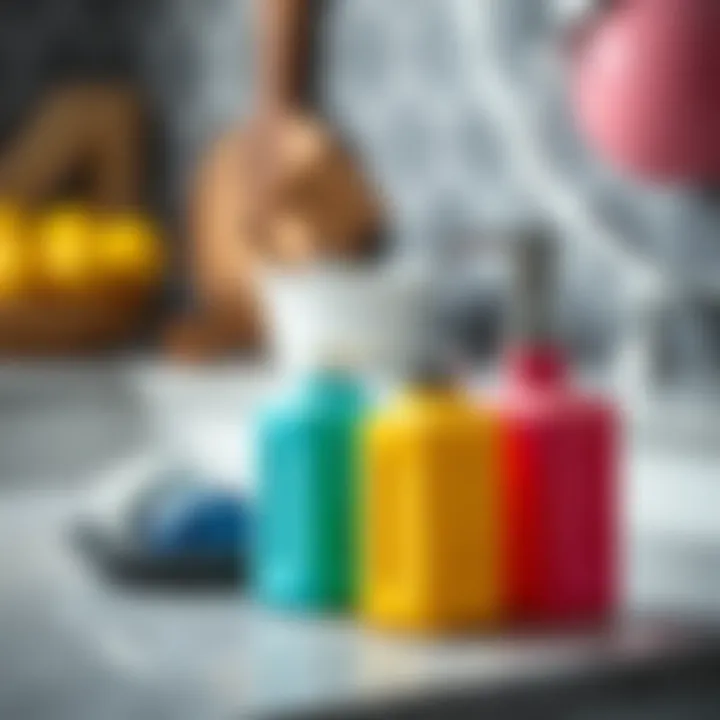
In summary, selecting the right dish soap dispenser may not seem monumental, but upon closer examination, it represents a point at which functionality and aesthetics intersect. By thoroughly assessing your kitchen space and ensuring alignment with existing appliances, you set the stage for a more enjoyable kitchen experience.
Innovative Features in Modern Dispensers
In the fast-paced world we live in, even the most mundane kitchen tools—like dish soap dispensers—are getting a technological makeover. By examining the innovative features in modern dispensers, homeowners can find solutions that not only enhance functionality but also adjust to their busy lifestyles. A touch of ingenuity can transform how we think about these everyday products. Not only do these advancements aim to make our lives easier, they also address issues of hygiene and environmental sustainability. Let's explore some of the most noteworthy innovations that are shaping the design of dish soap dispensers today.
Touchless Technology
The rise of touchless technology in dish soap dispensers is making waves, particularly when hygiene is at the forefront of our concerns. Imagine a kitchen where soap is dispensed with no touching or mess. Many modern dispensers now boast motion sensors that detect your hand within reach, offering a seamless and hygienic experience. This feature is particularly appealing for families with small children, as it can minimize the spread of germs.
"Touchless dispensers not only promise cleanliness but also add a modern flair to kitchen spaces."
These systems often have adjustable soap volume settings, allowing users to choose how much soap they need for different tasks—from washing a few plates to dealing with a messy pan. Moreover, they can be powered by rechargeable batteries or plugged in, allowing for various setups that can cater to different kitchen designs and user preferences.
Integrated Soap and Water Systems
Another innovative feature that’s making its mark is the integrated soap and water system. These designs combine the dispensing of soap and the water flow, resulting in a compact unit that saves both space and time. Think of it as a Swiss Army knife for your kitchen sink. When you press a button, not only does the soap dispense, but water also flows at the same time, creating an efficient wash cycle.
These systems are especially useful in smaller kitchens where counter space is at a premium. They eliminate the need for separate containers, giving countertops a cleaner look. Moreover, they often feature smart sensors that detect the optimal amount of each liquid, ensuring effectiveness without wastage—a nifty nod to environmental consciousness.
In these days where efficiency meets elegance, integrating such features can bring a level of sophistication that transforms both the look and feel of a kitchen.
Whether considering the touchless option or the integrated systems, homeowners should look for models that not only fit their needs but also resonate with their aesthetic sensibilities. After all, even the simplest tools should reflect the care and thought invested in a home’s overall design.
Trends in Dish Soap Dispenser Design
The world of dish soap dispensers is not static; it evolves alongside kitchen design and technology. Understanding these trends can help homeowners and designers alike make more informed decisions, whether they're looking to boost their kitchen's utility or simply blend functionality with style.
Eco-friendly Materials
In recent years, there's been a significant shift toward eco-conscious living. This trend is fully reflected in the materials used in small dish soap dispensers. Manufacturers are increasingly moving away from traditional plastics, known for their environmental toll, toward materials like glass, bamboo, and recycled plastics. Not only do these alternatives reduce waste, but they also often enhance the aesthetic appeal of the kitchen.
Using eco-friendly materials is beneficial for several reasons:
- Sustainability: Many homeowners appreciate the lower ecological impact of eco-friendly materials, leading them to choose products that align with their values.
- Aesthetic Versatility: Glass and bamboo can bring a natural, earthy feel to your kitchen while offering durability and style.
- Health considerations: Certain plastics can leach harmful chemicals, whereas natural materials tend to be safer options.
Integrating eco-friendly soap dispensers can elevate the kitchen’s overall feel, transforming it into not just a workspace but a reflection of the homeowner’s commitment to sustainability.
Smart Home Integrations
As technology permeates everyday life, dish soap dispensers follow suit by integrating smart features. Smart home integrations not only offer convenience but can also enhance cleanliness and streamline the dishwashing process. For instance, models equipped with motion sensors can dispense soap without needing a touch, making it perfect for busy kitchens.
When considering smart home integrations, pay attention to:
- Touchless Operation: This minimizes mess, ensuring the dispenser stays clean and hygienic.
- Customization Features: Some dispensers allow users to set the amount of soap dispensed per use, which can help in conserving soap and reducing waste.
- Voice Activation: Connecting with home assistant devices like Amazon Alexa or Google Assistant can provide a hands-free experience, which is especially advantageous when multitasking in the kitchen.
By embracing smart features, dish soap dispensers become more than mere accessories; they evolve into vital tools that enhance the flow of the kitchen.
In a rapidly changing kitchen landscape, trending dish soap dispensers not only elevate aesthetic value but also improve the functionality of the space, turning mundane tasks into effortless actions.
Epilogue
Ultimately, the trends in dish soap dispenser design represent a larger movement toward a more thoughtful, intentional approach to kitchen utility. From eco-friendly materials to smart integrations, these advancements cater to a growing audience that values both form and function. Choosing a modern dish soap dispenser isn't just about ease of use; it's also about making a statement and reflecting personal values in design choices.
Ending: The Impact of Dish Soap Dispensers
Small dish soap dispensers may seem like just another kitchen accessory, but they hold a significant role in both functionality and visual appeal. These simple pumps can transcend their basic function, acting as a bridge between utility and design in the heart of the home. Understanding their impact leads to more informed choices and enhances the overall kitchen experience.
Enhancing Utility and Aesthetics
First and foremost, the practical benefits of a well-designed dispenser cannot be overstated. A good dispenser not only provides easy access to soap but also helps organize the workspace. For instance, a tall, narrow dispenser might fit snugly in a corner, conserving space while remaining within reach. On the aesthetic side, a chic ceramic model in a soft pastel can add a touch of warmth to a clinical modern kitchen, softening stark lines with its gentle hue and texture.
"The right dispenser can be the pièce de résistance that pulls the kitchen design together."
When considering where to place your soap dispenser, think about the flow of your daily kitchen tasks. Keep it near the sink or prep area where it’s most frequently used, making your kitchen workflow more efficient.
Moreover, distinct design choices can serve to reflect personal style. Opting for a matte finish versus a glossy one sends a different signal about your kitchen’s ambience. A minimalist dispenser works wonders in a contemporary setting, while a vintage glass bottle offers a nod to nostalgia in a farmhouse aesthetic.
Future Directions in Design
Looking ahead, the evolution of dish soap dispensers is promising. As homes become increasingly connected through technology, dispensers are likely to incorporate smarter features. Imagine a dispenser that could alert you when your soap levels are running low or that syncs with a home app to dispense the right amount of soap based on your task—be it washing dishes, hands, or cleaning surfaces.
Furthermore, sustainability is becoming a greater focus for consumers. Dish soap dispensers constructed from recycled materials or those that feature biodegradable components are likely to hit the market more frequently. With eco-consciousness on the rise, manufacturers may also explore packaging that reduces plastic waste, such as refillable pouches that can be easily added to your existing dispenser.
In addition, decorative elements combining form and function will continue to gain traction. Look out for dispensers with interchangeable designs or customizable features that allow homeowners to switch out skins to align with seasonal decor or personal tastes. The marriage of technology and traditional design offers an exciting glimpse into the future of kitchen essentials, making it easier than ever to keep both function and style in check.
In summation, small dish soap dispensers serve a dual purpose that directly enhances both utility and aesthetics in the kitchen. They are no longer just functional items but are evolving into essential design pieces that can define a kitchen's character while keeping it practical. Whether you opt for a classic look or something cutting-edge, the right dispenser can make all the difference.