Exploring the Timeless Appeal of 8x10 Antique Frames
Intro
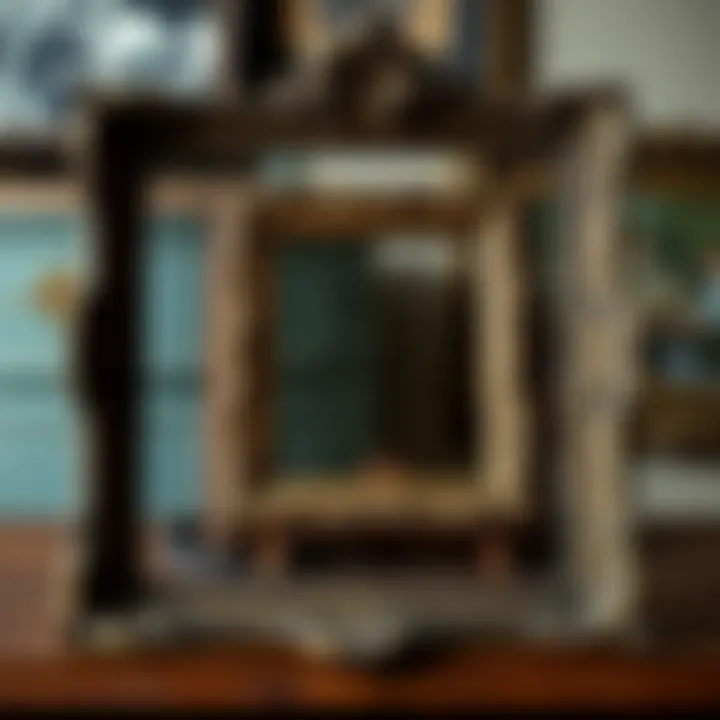
The 8x10 antique frame is more than just a simple piece of decor; it embodies a rich tapestry of history and artistry that enchants both collectors and casual enthusiasts. This modest-sized frame holds within its borders not only photographs and artwork but also stories and emotions. In today’s fast-paced world, where everything seems fleeting and disposable, these antique frames remind us of craftsmanship, timeless beauty, and the significance of each item within our spaces.
As we embark on this journey, we’ll dissect the multifaceted allure of the 8x10 frame, covering its evolution through time, its role in enhancing contemporary interiors, and practical advice on how to integrate these charming pieces into modern design. Homeowners, decorators, designers, and DIYers alike will find it insightful, as we navigate through this exploration.
In a nutshell, understanding the charm of these antique frames can reshape how we perceive our living environments and the art we choose to display. Each frame resonates with its own character, and together, they can infuse a unique stylistic flavor into any home. Let’s dive into the world of design trends and practical tips surrounding these captivating artifacts.
Design Trends
The current design climate reflects a burgeoning appreciation for vintage aesthetics, particularly in how we display art and memories. Antique frames are not simply relics of the past; they are powerful tools in crafting a cohesive interior design narrative.
Emerging Styles in Furniture Design
Many designers are now melding old and new, creating spaces that feel both fresh and nostalgic. The 8x10 antique frame shines here, as it can complement various design intentions, from minimalistic to maximalist styles. The juxtaposition of a beautifully ornate frame against a stark white wall offers a striking visual contrast, drawing the eye and evoking curiosity.
- Eclectic Style: 8x10 frames encourage an eclectic mix, allowing homeowners to group various artworks and photographs in a way that tells a personal story.
- Rustic Appeal: For those embracing a farmhouse aesthetic, frames made from reclaimed wood resonate well, creating warmth and inviting spaces.
Color Palettes and Material Innovations
Modern design is rich with color and innovation, and antique frames play a pivotal role in these trends. Integrating frames in bold, modern color palettes can elevate their significance, pulling together various hues found within the surrounding decor. Notably, metallic finishes on frames provide a contemporary twist while maintaining a traditional aura, offering a dynamic interplay of textures.
"Antique frames do not merely serve a decorative purpose; they are storytellers, elegantly framing the moments that define us."
Practical Tips
When it comes down to how to incorporate these frames into your home, it’s essential to consider both aesthetic and functional aspects.
How to Choose the Right Furniture for Your Space
Finding the perfect frame is akin to discovering a needle in a haystack. Consider the following when selecting:
- Style Matching: Ensure the frame complements the existing furniture. A Victorian frame might clash in a modern space; on the other hand, it could offer a compelling focal point.
- Scale and Proportion: An 8x10 frame should maintain a balance with the surrounding elements, neither overpowering nor being lost among larger decor pieces.
Maintenance and Care for Longevity
To extend the life of your prized antique frames, it’s crucial to take care of them properly.
- Dust Regularly: Use a soft, dry cloth to remove dust. Avoid chemicals that could damage the frame’s finish.
- Humidity Control: Keep frames in a climate-controlled environment to prevent warping or discoloration.
Whether you’re an avid collector or a novice decorator, the 8x10 antique frame holds immense potential as both an art piece and a conversation starter in your home. Through the appreciation of its history, design trends, and practical considerations, these frames continue to enchant and inspire.
For further insights and a deeper understanding of antique frames, refer to resources like Britannica and Wikipedia that delve into the historical significance and craftsmanship behind these timeless treasures.
Understanding the 8x10 Antique Frame
The 8x10 antique frame represents a rich intersection of art, history, and style, all wrapped up in a compact size that is both versatile and visually appealing. Grasping the importance of this frame goes beyond mere decoration; it taps into the narrative of our cultural heritage. Antique frames hold the power to evoke nostalgia and illuminate aspects of bygone eras, allowing modern homeowners and designers a window into the past.
Defining Antique Frames
Antique frames are defined not just by their age but by the craftsmanship that characterizes them. Typically, an object is labeled as an antique when it is over a century old, though this can lead to varying interpretations based on cultural and regional contexts. The beauty of antique frames lies in the details, such as the unique wood grain, hand-carved embellishments, and historical finishes. Among the most sought-after materials are walnut, mahogany, and oak, often adorned with intricate scrollwork or gilding. Such elements elevate these frames from mere picture holders to works of art themselves. For anyone looking to appreciate or invest in antique frames, understanding these nuances is essential.
The 8x10 Size: A Standard Measure
The 8x10 size is a standard that often finds itself at the heart of many collections. It strikes a balance—large enough to showcase a portrait or artwork yet compact enough to fit various spaces in a home. This size also makes for easy pairing with other frames, whether for a gallery wall or a curated display on a mantelpiece. Furthermore, the 8x10 frame is practical for limited artworks or photographs: it can highlight the subject beautifully without overwhelming the viewer. This balance of functionality and aesthetics solidifies the 8x10 size as a staple in both antique collections and modern displays.
Cultural Significance Across Eras

The significance of 8x10 antique frames dives deep into cultural histories, spanning across different periods and styles. In the Victorian era, for instance, framed photographs were a way to immortalize family members and preserve memories, often displayed prominently in homes as symbols of social standing. Moving into the Art Deco period, frames began to reflect the modernizing world, with clean lines and geometric designs emerging as fashionable choices. Each era contributes its own story, imbuing these frames with a sense of time and place.
"Antique frames are more than just objects; they are storytellers that reflect the aesthetics, values, and practices of their time."
In addition, understanding their cultural significance means recognizing how they represented shifts in artistic movements and societal norms. For decorators or homeowners contemplating how to integrate such artifacts into current designs, reflecting on their historical weight adds depth to the decision-making process.
2500 characters, including 10% for SEO keywords, helps clarify the unique allure of this category of frames. Understanding the nuances, size, and cultural histories behind them offers a clearer perspective on their relevance in today's interior design landscape.
The Craftsmanship Behind Antique Frames
The artistry involved in creating antique frames is nothing short of remarkable. This craftsmanship not only showcases skilled hands but also reflects the dedication and history that these pieces carry. With each frame, you can trace a narrative of time, culture, and style that transcends generations. Understanding the importance of craftsmanship adds depth to our appreciation of these elegant artifacts.
Materials and Techniques
Antique frames hail from a myriad of materials, each contributing to their unique character. Wood remains the primary medium, with species like mahogany, oak, and walnut being favored for their durability and beauty. Additionally, the intricate nature of gilding, where gold leaf is applied to enhance the frame's aura, draws the eye and elevates the decor.
In the crafting process, techniques such as hand carving and inlaying are crucial. The finishes can vary, with some frames embracing a distressed look, while others shine bright with polished surfaces, revealing the imperfections that tell a story. By examining these materials and techniques, one can grasp the contrasting aesthetics that give antique frames their charm.
The Evolution of Frame Making
The evolution of frame making is a journey through time, reflecting shifts in artistic sensibilities and technological advancements. Early frames were quite simple, primarily serving as functional borders for paintings and photographs. However, as artistic movements such as Baroque and Rococo emerged, frames transformed into elaborate works, almost rivaling the art they enclosed.
In the 19th century, with the rise of the Arts and Crafts Movement, there was a return to simpler, handcrafted designs. This movement emphasized a connection to the craftsman, and many began to cherish the inherent beauty of natural materials. As we transitioned into the 20th century, Industrialization introduced mass production, which, while making frames more accessible, arguably diluted the uniqueness of each piece. Understanding this evolution offers a framework for valuing the meticulousness that characterizes genuine antique frames today.
Identifying Quality in Antique Frames
Quality is the heartbeat of any antique frame. However, navigating the sea of authenticity can be daunting. When assessing a frame, several factors come into play. First, examine the construction; genuine antique frames often display dovetail joints or hand-carved elements instead of machine-made details. Furthermore, signs of age, like fading or patina on surfaces, typically indicate authenticity.
When it comes to value, provenance plays a significant role. A frame that has a documented history adds to its appeal and worth. Collectors often seek frames that can be linked to renowned designers or particular historical periods. Therefore, discerning quality not only enhances appreciation but also opens avenues for potential investment.
“Quality is not an act, it is a habit.” - Aristotle
Design Elements of 8x10 Antique Frames
The world of antique frames is more than just a design choice; it’s a way to weave history into personal spaces. The 8x10 antique frame serves as a canvas, showcasing not just photographs or artwork, but stories from eras long past. Understanding the design elements inherent to these frames is essential, as it empowers homeowners, decorators, and designers to make informed choices when integrating them into their spaces.
Styles and Aesthetics
One cannot underestimate the diverse styles of 8x10 antique frames that tell tales of craftsmanship from various periods. From the intricate details of Victorian designs that often feature floral motifs to the simple, yet elegant lines associated with Art Deco, each style brings its unique flair. These frames can be seen as architectural models of their time, reflecting society's values and tastes.
For example, a Victorian frame might surround a family portrait almost like a regal throne, while an Arts and Crafts frame, with its emphasis on natural materials and artisan qualities, can complement modern minimalism. This cross-pollination between different styles means that they can enhance any modern decor, be it eclectic, traditional, or somewhere in between.
Additionally, their aesthetic appeal can extend beyond mere functionality. The frames are often crafted to serve as statement pieces, drawing the eye and encouraging conversations. In settings where cohesion is key, these antique frames can provide just the right contrast—breathing character into otherwise sterile spaces. Every frame effectively becomes a piece of art itself, historical yet timeless.
Color Schemes and Finishes
The hues and textures of antique frames are as varied as the materials used. Traditional wood frames come in rich shades, often ranging from deep mahogany to lighter oak tones, reflecting the types of wood that were locally available during the time of their creation. A weathered finish might tell you about the frame's journey through time, making it a charming addition to rustic or organic designs.
Metal frames can bring a contrasting sheen, with intricate patinas that denote aging gracefully. A bronze or tarnished gold finish can add a touch of elegance, whilst a chalky white frame might fit perfectly in a shabby-chic environment. When selecting a frame, consider both the art it will hold and the existing color palette of your space. Harmonizing or contrasting these shades can evoke specific moods—calming or invigorating, depending on your choice.
Ornamentation and Carving Techniques
What sets many 8x10 antique frames apart is the artistry in their ornamentation. Unlike mass-produced frames, antique ones often showcase unique carving techniques that are a testament to the skills of artisans past. These frames can be adorned with hand-carved motifs of leaves, scrolls, or geometric designs.
Craftsmanship varies from the finely detailed to the boldly plain, and this variability can make a significant difference in your interior aesthetics. It’s crucial to look closely; a lightly embellished frame might suit a delicate watercolor, while a heavily adorned frame could complement a robust oil painting.
"Antique frames embody the spirit of artistry, preserving history while adding depth to modern interiors."
Often, the technique used can reflect its era. For instance, frames from the 19th century often showcase higher relief and intricate ornamentation, whereas mid-20th century designs might lean toward cleaner lines and less clutter. Recognizing these nuances allows for thoughtful integration of these frames into your decor, adding depth and a narrative to your selections.


Ultimately, the design elements of 8x10 antique frames serve as crucial points of contemplation when curating your space. By paying attention to styles, colors, and ornamentations, you can utilize these frames not just for displaying images, but as integral pieces that enrich the fabric of your home.
Integrating Antique Frames into Modern Interiors
When it comes to furnishing our living spaces, striking a balance between tradition and modernity can be quite the challenge. Antique frames, particularly the 8x10 size, stand out as unique elements that can breathe life into contemporary design. Their integration into modern interiors not only serves aesthetic purposes but also tells stories, bridging the gap between the past and the present. By understanding their importance, homeowners and decorators can elevate their spaces while adding layers of depth and character.
Complementing Contemporary Designs
Antique frames can be the perfect antidote to minimalist decor that tends to dominate modern design. Their intricacy acts as a counterbalance to the sleek lines of contemporary furniture. For instance, placing an ornate 8x10 frame featuring a vintage family photograph on a clean-lined console table can create a striking visual contrast. The frame becomes a focal point—not just another object—but rather a piece that reflects personal history.
Consider the use of antique frames in various styles:
- Rustic: Pairing reclaimed wood frames with metallic fixtures can create a charming yet sophisticated vibe.
- Industrial: Combining a distressed frame with raw materials like steel or concrete can add unexpected warmth to otherwise stark environments.
- Scandinavian: Incorporating antique frames alongside light woods and neutral palettes introduces warmth without overpowering the serene aesthetic.
Creating Visual Interest with Antique Frames
One of the most significant benefits of integrating antique frames lies in their ability to create visual interest. An empty wall can turn into an eye-catching gallery by arranging several 8x10 antique frames in a salon-style display. The diversity in textures, colors, and carvings brings layers to an otherwise flat surface, enticing viewers to inspect each piece closely.
Rather than sticking to conventional arrangements, experiment with:
- Asymmetry: Delight in the unexpected by arranging frames of different shapes and sizes for a dynamic look.
- Layering: Layering smaller frames within larger ones can create depth and emphasis, drawing the eye around the space.
- Storytelling: Use frames to exhibit a progression of family history or a collection of travels, making them conversation starters amid a modern layout.
"Why do we want to blend old and new? Because the old becomes a part of the new narrative, enriching the visual storytelling."
Mixing Antiquity with Modernity
Successfully blending antique frames with modern interiors also involves mindful selection and placement. The choice of artwork or photographs within the frames can complement the overall aesthetic of your space. For example, vivid abstract pieces juxtaposed against ornate antique frames can create a surprisingly harmonious look. It’s essential to find a balance where the styles enhance rather than compete with each other.
To maximize the impact of your antique frames, consider the following:
- Color Coordination: Choose artwork or photographs with color palettes that resonate with the frame's finish, ensuring harmony throughout the room.
- Material Considerations: Wooden frames may pair beautifully with fabric wall hangings, while metallic frames can add elegance to photographic prints.
- Lighting: Proper illumination can significantly enhance the appeal of the frames. A focused spotlight or a soft glow can accentuate the textures and details in the frame, ensuring it captures attention.
Integrating 8x10 antique frames into modern interiors is not merely a decorative choice. It is a thoughtful consideration of history, craftsmanship, and personal stories. This endeavor can enliven a space, allowing it to tell a deeper tale and create lasting impressions for anyone who enters.
Practical Considerations for Displaying Antique Frames
Displaying antique frames is not simply about hanging a piece of art on the wall; it's about creating an atmosphere that honors history while fitting seamlessly into contemporary aesthetics. Understanding how to effectively showcase the 8x10 antique frame allows homeowners and designers to elevate their spaces, making thoughtful decisions that reflect both personality and style.
Choosing the Right Location
Finding the perfect spot for your antique frame can truly make a world of difference. First things first, consider the lighting in the room. Natural light can be a double-edged sword. While it highlights colors and intricate details in your frame and artwork, too much sunlight can fade them over time. Ideally, place your frame in a location where it receives diffused light, away from direct sunlight but still in a bright area that draws the eye.
When picking a wall, think about the scale and proportion of the space. An 8x10 frame might get lost on a vast, empty wall, while it could perfectly balance a smaller, cozier nook. Conversely, if you're integrating multiple frames or pieces, it might make sense to dedicate wall space specifically for your antique frames, creating what could be called a 'frame wall.' This can provide a stunning focal point that tells a story of its own.
Mounting and Hanging Techniques
The way you choose to hang your antique frame might seem trivial, but it plays a crucial role in both security and aesthetics. You wouldn't hang a prized painting with just any old nail; the same care should apply here.
- Use proper hooks or wall anchors designed for the weight of the frame. For heavier frames, consider toggles or wall screws.
- Measure twice, hang once. Precision in placement not only makes for a professional look but also allows you to properly align multiple frames in a gallery setting.
- Use museum wax or adhesive putty for securing the frame to the wall to guard against accidental nudges that can lead to tumbles.
An added tip: using a level before securing your frame can save you from the frustration of crooked art that throws off the symmetry of your decor.
Curating a Personal Gallery
Creating a cohesive gallery with your antique frames offers an opportunity for self-expression. A careful curation process can transform your collection into a narrative tapestry.
Key Steps to Curate Successfully:
- Select a Theme: Decide on a consistent theme. Perhaps it's landscapes, portraits, or snippets of family history. The story behind your collection will dictate the frames you choose.
- Color Coordination: Harmonize colors of the frames themselves with artwork or photographs. For instance, a gold leaf frame might pair beautifully with art pieces that have golden elements, creating an overall elegant aesthetic.
- Vary Frame Orientation: Mixing not only sizes but orientations allows you to create visual depth. An 8x10 frame doesn’t always need to hang vertically—it might be stunning in a horizontal position, depending on the artwork.
By rumbling through the treasures of your past and integrating them artfully, you can curate a wise gallery that invites introspection and admiration.
“Antique frames are not just borders for art; they are art pieces themselves, possessing stories that connect us to past generations.”
Keep in mind that the display of antique frames is very much about balancing history with modern design sensibilities. Thoughtful placement, secure mounting, and a curated approach can transform an ordinary space into something distinctly extraordinary.
The Investment Value of Antique Frames
The allure of antique frames, particularly those of the 8x10 variety, extends beyond mere nostalgia or aesthetic charm. They can be viewed through the lens of investment, much like fine art or vintage collectibles. The value of antique frames can fluctuate based on a myriad of factors. Understanding these nuances is essential for homeowners, decorators, designers, and even DIY enthusiasts who see these frames not just as decorative pieces but as potential assets worth consideration.
Understanding Market Trends
The market for antique frames is dynamic, reflecting broader economic conditions while simultaneously being shaped by trends in design and decor. For instance, as modern designs lean towards minimalism, antique frames have surged in popularity for creating visual contrast in contemporary spaces. This blend of old and new often results in an increased demand, thus influencing their market value. Vintage trends ebb and flow—certain styles may see a spike in interest due to popular media, exhibitions, or even social media influencers showcasing these timeless treasures.
Factors to consider include:
- Popularity of period styles: Styles like Victorian or Art Deco can experience resurgence based on public interest.
- Auction results: High-profile sales can serve as indicators of increased value for similar items in the market.
- Cultural shifts: There is often a growing interest in sustainable living, which incorporates vintage materials, thus boosting the appeal of antique frames.
Staying informed about these trends can help in making educated decisions about when to buy or sell an antique frame.
Assessing Authenticity and Value
In the realm of antique frames, authenticity plays a pivotal role in determining value. Differentiating between a genuine antique and a reproduction requires a keen eye and a bit of research. One might consider looking for key indicators of authenticity:
- Material Composition: Genuine antique frames often utilize wood or metals that were prevalent at the time of their creation. Some might exhibit characteristics such as patina, a testament to their age.
- Craftsmanship Details: Unique carvings or hand-painted elements might indicate a handmade piece, whereas replicas tend to lack intricate detail.
- Provenance and Documentation: Original purchase receipts, previous ownership history or appraisal documents lend credibility to the frame’s authenticity.
When assessing value, it’s also wise to engage with reputable antique dealers or appraisers who can provide expert insights, helping to ensure that a frame's price aligns with its true worth on the market.
Preserving Value Over Time
The true beauty of investing in antique frames lies not merely in their initial purchase but in their capacity to hold or even increase value over the years. Preserving these treasures requires understanding proper care and display techniques:
- Environmental Considerations: Keep frames away from direct sunlight and extreme humidity, which can warp or fade the materials.
- Proper Cleaning Techniques: Use soft cloths and avoid harsh chemicals to maintain finishes. A simple dusting can go a long way.
- Avoiding Improper Mounting: Ensure that frames are mounted correctly to prevent warping or damage. Use acid-free materials to protect photographs and artwork.
Regular assessments and maintenance can help sustain the aesthetics and value of antique frames, creating a win-win situation for collectors and decorators alike. In the long run, investing in antique frames isn’t just about acquiring art; it’s about fostering a respect for craftsmanship and history.
Sustainability and Antique Frames
In recent years, the concept of sustainability has gained tremendous traction in various circles, from the arts to everyday living. Antique frames, particularly the 8x10 variety, embody a fascinating aspect of this movement. These frames not only serve as decorative elements but also tell a story of eco-consciousness. Their allure goes beyond aesthetics, touching on the fundamental principle of repurposing and valuing history while minimizing waste.
The importance of sustainability in the context of antique frames cannot be overstated. Each frame has a lifespan that stretches back decades, if not longer. By choosing to display these pieces, individuals participate in a sustainable practice that champions longevity over fast trends. Rather than contributing to the relentless cycle of consumption, antique frames allow for a unique blend of old-world charm and modern ethics. This investment in the past functions as a reminder of both craftsmanship and the environment.
The Eco-Friendly Aspect of Repurposing
Repurposing is, in essence, the act of breathing new life into existing materials. Antique frames fit this concept perfectly.
- Less Waste: By opting for a frame that has pre-existed, homeowners reduce the demand for new materials which often require significant energy and resource utilization.
- Unique Style: No two antique frames are alike, each bearing its own marks and stories. By displaying these frames, one contributes to a culture of uniqueness rather than conformity.
Antique frames often come from durable materials like solid wood or metal. These materials not only last a long time but are also generally more sustainable than modern alternatives. As a result, choosing these frames translates to supporting a greener planet.
"Every antique frame tells a tale not just of beauty, but of responsibility toward the environment."
Contributing to Sustainable Design Practices
In the realm of design, antique frames can be seen as champions of sustainable practices. Integrating these frames into a home or gallery setting signals a commitment to thoughtful design. Here are some key considerations:
- Adaptive Reuse: Utilizing antique frames can transform spaces in innovative ways, encouraging designers to think outside the box. An 8x10 frame, for instance, can be used in unconventional settings, such as a rustic coffee shop or a modern office, bridging the gap between eras.
- Support for Local Artisans: When purchasing antique frames, often it entails supporting local vendors or craftsmen who uphold traditional craftsmanship, thus fostering community and preserving skills that might otherwise be lost.
By incorporating antique frames, one does not merely decorate; they advocate for a lifestyle that seeks harmony between aesthetics and ethics.
Antique Frames as Timeless Pieces
Antique frames are more than just beautiful objects; they are timeless artifacts. Their influence extends beyond mere decoration, appealing to homeowners, designers, and art enthusiasts alike who appreciate the sentimentality and character these pieces bring.
- Enduring Appeal: Their designs often reflect distinct styles of bygone eras, connecting us to history and evoking nostalgia. An antique frame is not just a container for a picture; it enhances the image within, offering context and richness that newer frames simply cannot replicate.
- Intergenerational Value: These frames carry with them a sense of lasting value. They can be passed down through generations, creating familial ties and shared stories that modern items lack. This intergenerational appeal makes antique frames more than just decorative items; they are bearers of history