The Elegance of White Wooden Cabinets with Doors
Intro
White wooden cabinets with doors have long been a staple in the realm of interior design. Their presence not only signifies functionality but also sophistication and style. Encompassing a range of aesthetics—from contemporary to rustic—these cabinets can adapt to various decor themes, making them a beloved choice among homeowners, decorators, and designers alike.
In this exploration, we will delve deeper into the elegance and versatility of white wooden cabinets. We will highlight their design trends, practical tips for selection and maintenance, and offer guidance that is aimed specifically at enhancing your living spaces. This article is intended to equip both seasoned decorators and enthusiastic DIYers with the insights necessary to make informed choices that align with their aesthetic goals.
It’s crucial to understand that the integration of these cabinets into a home goes beyond mere aesthetics. They're about enhancing the overall ambiance and ensuring they serve their intended purposes effectively.
Let’s begin our journey by examining the current design trends that define the exquisite world of white wooden cabinetry.
Prologue to White Wooden Cabinets
In the realm of interior design, white wooden cabinets hold a unique appeal. The elegance they add to a space is no small matter. These cabinets are not only about looks; they serve practical purposes as well. When you think of white wooden cabinets, consider them as blank canvases. Their color and material provide versatility, allowing them to adapt to various design styles, from contemporary to classic.
Diiferent from darker tones, white cabinets brighten up spaces, creating an airy atmosphere. This can be particularly beneficial in smaller rooms where light can be scarce. A well-placed white cabinet can transform a mundane space into something inviting and fresh. Their timeless quality means they don't easily go out of style. Thus, they can withstand changing trends and maintain their relevance over the years.
Furthermore, elegance aside, white wooden cabinets also offer practical solutions. Not only do they provide ample storage, but their designs can also enhance organization within a home. Many homeowners find that having discrete yet stylish storage options keeps their living areas clutter-free. White cabinets also allow you to infuse personal style through decor and function.
"White cabinets are not just functional; they symbolize a clean slate in design, where creativity thrives."
Still, it's important to consider elements such as the materials used, design styles, and maintenance requirements. Understanding these facets is essential for anyone looking to incorporate white wooden cabinets into their home. Being aware of the variety of designs and finishes available enables one to select cabinets that suit their personal taste as well as their home's overall aesthetic.
As we delve deeper into the sophistication of white wooden cabinets throughout this article, homeowners, decorators, and DIY enthusiasts will gain insights that can significantly influence their choices. By the end, the reader can be equipped with the knowledge to appreciate these cabinets not just for their beauty but for their numerous benefits in enhancing living spaces.
Historical Context of Wooden Cabinets
The history of wooden cabinets stretches as far back as civilization itself, evolving alongside the ways in which people have organized their lives and spaces. These seemingly simple structures play a significant role in our homes, serving both functional and aesthetic purposes. Examining their historical context allows us to appreciate not only their evolution over time but also the cultural, economic, and environmental factors influencing their design and construction.
Evolution of Cabinet Designs
Cultural shifts often dictate the designs of cabinets. For instance, during the Renaissance, cabinets became symbols of wealth and sophistication, often elaborately decorated with intricate carvings and inlays. This was a time when craftsmanship took center stage; artisans would spend years perfecting their skills, pushing the boundaries of what wood could do. There was a clear delineation between the furniture for the wealthy and that for the common folk. As we moved into the 18th century, the advent of the Industrial Revolution marked a turning point. Furniture became more accessible, as mass production techniques made it possible for cabinets to be crafted in higher numbers and at lower prices.
By the time we reached the mid-20th century, trends shifted towards minimalist design approaches. The modern aesthetic emphasized simplicity and functionality over ornamentation. White wooden cabinets emerged during this period, embodying a fresh take on traditional designs, making them suitable for various settings, from contemporary apartments to rustic cabins. This adaptability is a key reason why white wooden cabinets have maintained their popularity into the present day.
Significance of Wood in Furniture Craftsmanship
Wood has been a cornerstone in furniture making due to its versatility and natural beauty. Each type of wood brings a unique character to cabinet designs, whether it’s the rich tones of oak or the delicate grains of maple. The properties of wood, including its workability and durability, allow craftsmen to create intricate designs that stand the test of time.
Moreover, wood serves as a living material. Its ability to react to its environment means that no two pieces of wooden furniture are exactly alike. This unpredictability adds an intriguing layer to handcrafted wooden cabinets, especially those painted white, as they can embody both elegance and warmth.
"Choosing wood for crafting furniture is like choosing a canvas for painting. The character of the material dictates the final work's essence."
Hailing from various global traditions, the methods by which wood is shaped into beautiful forms vary significantly. In Japan, for instance, intricate joinery techniques have been practiced for centuries, allowing wooden structures without nails, which enhances both strength and beauty. The significance of wood in furniture craftsmanship cannot be overstated; it’s a blend of art and science, tradition and innovation, that continues to influence modern designs.
Materials Used in White Wooden Cabinets
The selection of materials in white wooden cabinets is foundational to their charm, durability, and versatility. Homeowners, designers, and DIY enthusiasts alike seek out these cabinets not just for their aesthetic appeal but for the quality of the materials involved. The complexity of wood species, finishes, and the overall approach to craftsmanship directly influences not only how a cabinet looks but also how it performs over time. Different types of wood offer varying degrees of resilience, design flexibility, and environmental impact, making this an essential discussion in understanding the appeal of white wooden cabinets.
Types of Wood and Finishes
When it comes to the types of wood used in white wooden cabinets, common varieties include plywood, lacquered particle board, and solid wood such as maple or oak. Solid wood is often viewed as the gold standard among pieces, thanks to its natural beauty and durability. More specific woods like birch or cherry can be utilized based on desired finish and grain features.
- Birch: Known for its fine grain and smooth finish, birch can take paint very well, making it perfect for achieving a crisp white look.
- Maple: a bit harder than birch, opens up myriad finishing possibilities without losing structural integrity.
- Plywood: offers cost-effectiveness while maintaining a decent level of durability, ideal for those on a budget.
Next, we have the finishes, which play a crucial role in the final look. Here, options range from satin to high gloss, each providing a different character to your cabinetry.
- Satin Finish: Offers a soft sheen, which can make the white cabinets look both modern and timeless.
- High Gloss: Reflective and sleek, this finish enhances brightness in a room but can also highlight imperfections.
- Matte Finish: A contemporary choice that lends a tactile quality without the shine, making the cabinet feel more organic.
Incorporating various wood types and finishes allows homeowners to create a distinct personality in their kitchens or living spaces. The right combination can evoke a rustic, traditional charm or a sleek modernity, making wood selection pivotal for getting that sophisticated touch.
Sustainability Considerations in Material Selection
In today’s eco-conscious environment, sustainability cannot be overlooked when discussing materials for white wooden cabinets. As more consumers are making choices based on their environmental impact, it’s crucial to understand what goes into these charming furniture pieces.
Many manufacturers are now using sustainably sourced woods, which means that the wood is harvested from responsibly managed forests, where trees are replanted to ensure longevity. Using reclaimed wood is another excellent option; it reduces the demand for new wood and gives unique character and history to the cabinets.
Other considerations include non-toxic finishes. Many traditional paints and varnishes contain solvents and chemicals that can off-gas harmful fumes. Opting for low-VOC or water-based products ensures a healthier living environment without sacrificing aesthetics.
Additionally, the longevity of materials makes a significant difference. Spending more upfront on quality, sustainable materials often means your cabinets will last longer, thus reducing the need for replacements and, ultimately, waste.
"Investing in sustainable materials not only enhances the beauty of your cabinets but also contributes positively to the environment."
To sum it up, the materials used in white wooden cabinets are far more than mere components—they are key players in the entirety of the design narrative, acting as bridges between functionality, aesthetics, and sustainability. When selecting cabinets, a thoughtful choice of materials can greatly impact both the livability of a space and its environmental footprint.
Design Styles for White Wooden Cabinets
Design styles for white wooden cabinets play a crucial role in the way they integrate into a home’s interior decor. They reflect personal taste, functionality, and the overall character of a space. Understanding the various design styles helps homeowners make informed choices that enhance both aesthetics and utility. White wooden cabinets can be tailored to fit modern, traditional, or eclectic themes, showcasing their versatility across different interiors. By grasping the nuances of each style, individuals can select cabinets that not only serve a practical purpose but also elevate the home’s design.
Modern Minimalism
In recent years, modern minimalism has carved out its niche in the realm of interior design. This style is characterized by clean lines, sleek forms, and a restrained color palette. White wooden cabinets embody these tenets beautifully, often featuring simple designs without excessive ornamentation. When opting for modern minimalism, it is essential to prioritize function alongside form. These cabinets can efficiently store belongings while maintaining an airy feeling in a room.
The key elements of modern minimalist white wooden cabinets include:
- Sleek Finishes: High-gloss or matte finishes contribute to a contemporary look.
- Handle-less Designs: By opting for push-to-open mechanisms, the sleekness remains uninterrupted.
- Functional Layouts: The design often includes built-in organizational features to maximize storage efficiency.
By selecting this style, homeowners can create bright and open spaces that easily adapt to personal tastes, offering flexibility in how they are used.
Classic and Traditional Designs
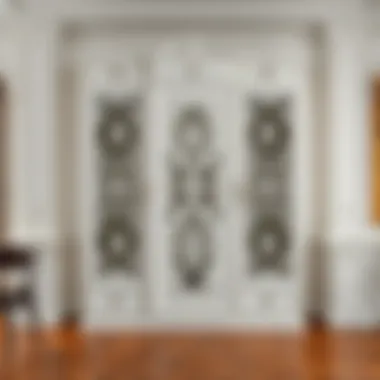
Contrary to the austerity of modern minimalism, classic and traditional designs bring warmth and character into spaces. White wooden cabinets in this style often feature intricate details such as raised-panel doors, elegant moldings, and decorative cornices. These cabinets evoke a sense of nostalgia, making them perfect for homes with a classic aesthetic or those inspired by vintage themes.
Considerations when choosing classic white wooden cabinets include:
- Timeless Detailing: Features like carvings, decorative hardware, and applied moldings add charm.
- Rich Wood Tones: Combining white with wood finishes can create a pleasing contrast while keeping the classic vibe intact.
- Comforting Colors: Using soft white tones alongside muted hues can amplify the traditional appeal.
Investing in classic and traditional white wooden cabinets allows homeowners to cultivate a sophisticated atmosphere that can endure through changing trends.
Rustic and Shabby Chic Styles
Rustic and shabby chic styles resonate with those who appreciate a homey, cozy environment. White wooden cabinets styled in this manner often exhibit a time-worn finish, embracing imperfections that tell a story. These cabinets typically feature distressed paint, wrought iron handles, and a hint of texture, making them inviting and approachable.
Key qualities of rustic and shabby chic white wooden cabinets include:
- Distressed Finishes: This style often involves techniques that make the wood appear weathered or aged.
- Natural Materials: Pairing white cabinetry with other raw materials, like reclaimed wood, enhances the rustic charm.
- Eclectic Accessories: Offering a space for unique decorations, these cabinets often serve as a canvas for personal expression.
Choosing rustic or shabby chic white wooden cabinets invites warmth and nostalgia into a home, making it a perfect selection for those seeking a relaxed, lived-in feel.
„Incorporating the right design style of white wooden cabinets not only enhances the visual appearance of your space but also reflects your personality and lifestyle preferences.
Functional Applications of White Wooden Cabinets
White wooden cabinets with doors serve a crucial role in modern interior design, blending aesthetics with practicality. They become not just mere furniture pieces but integral elements that enhance the functionality of various rooms. Understanding the functional applications of these cabinets allows homeowners and designers to make informed decisions that elevate both the beauty and utility of spaces.
Storage Solutions in Various Rooms
White wooden cabinets are champions of storage. They can transform cluttered areas into organized havens. In kitchens, for instance, they store dishes, pots, and pantry items, thus maintaining a tidy environment. Using cabinetry to keep countertops clear is always a worthwhile goal.
In living rooms, these cabinets might house books, media equipment, or even decorative items. Their neutral color skin suits nearly any decor, making them versatile additions. Here’s why they shine:
- Maximized Space: Utilize vertical space, making small rooms feel more spacious. By installing taller cabinets, one can store away essentials without sacrificing floor area.
- Design Cohesion: They can be designed to fit seamlessly into existing design themes, whether contemporary or rustic. This cohesion is vital for creating a sense of completeness in space.
- Accessibility: Convenient access to everyday items increases ease for users, ensuring spaces remain both functional and stylish.
Role in Zoning and Space Management
The function of white wooden cabinets extends beyond mere storage; they help in delineating spaces and optimizing layout. In open-plan living areas, for example, these cabinets act as natural dividers. They create zones — such as separating the dining area from the lounge — while still allowing for an open flow, beneficial in maintaining a sense of connection.
Consider the following benefits:
- Visual Barrier: Cabinets can serve as a visual break, subtly guiding the eye without closing off areas.
- Sound Absorption: Solid structures can help minimize noise between zones, fostering a quieter atmosphere in busy homes.
- Flexibility: With various designs and sizes available, these cabinets can easily adapt to changing layouts or needs, whether that means moving them for different seasonal decor or adjusting them for new family dynamics.
Integration with Other Furniture Elements
White wooden cabinets also play a vital role in harmonizing a room's overall design scheme. They can link to various furniture elements, from tables to sofas, facilitating a cohesive aesthetic. For instance, placing a cabinet near a dining table provides a harmonious relationship between the functional elements without overwhelming the space.
Some specific integration aspects include:
- Color Matching: The white finish can complement wooden or fabric furnishings of different colors, creating a balanced look.
- Texture Coordination: Pairing smooth cabinet finishes with textured fabrics can enhance depth in the design.
- Layering Elements: Strategically placing items like lamps or frames atop cabinets can create visual interest, encouraging interaction with the space.
"White wooden cabinets are not merely functional; they are the linchpin of smart interior designs. They bring together practical storage, enhanced zoning, and dynamic integrations crucial for modern living."
In summary, the applications of white wooden cabinets stretch far beyond aesthetics. They provide crucial storage solutions, play a pivotal role in space management, and serve as connectors between various elements of decor. Through thoughtful selection and arrangement, these cabinets not only organize a home but also enhance its sophistication.
Choosing the Right White Wooden Cabinet
Choosing the right white wooden cabinet entails more than just picking a pretty face to adorn your space. It involves a delicate balance between assessing your environment, understanding your functional needs, and aligning those with your aesthetic aspirations. The art of selection can transform a mere piece of furniture into a focal point, a storage solution, or even a work of art in your home. Why does this matter? Because choosing wisely ensures your investment stands the test of time, both in durability and visual appeal.
Assessing Space Requirements
Understanding space requirements is a foundational step that cannot be overlooked. Not all white wooden cabinets are created equal; they come in various sizes and configurations. Before falling in love with a piece that might take your breath away, take a moment to measure your space with precision. Here’s how to go about it:
- Measure your area: Measure the height, width, and depth of the space where you intend to place the cabinet. Keep in mind the layout of the room and any adjoining furniture. The last thing you want is to cram a cabinet into a corner where it simply won’t fit.
- Consider functionality: Think about how you want to utilize the cabinet. Will it serve as a primary storage solution? Does it need to accommodate larger items or just small accessories? Evaluate the volume of items you plan to store to ensure the cabinet can meet those needs.
- Think about movement: Don’t forget about the flow of the room. You want to maintain enough space for movement. A cabinet could block pathways or doors, creating an oddly cramped environment.
Getting this assessment right ensures that your purchase will complement the layout rather than complicate it.
Matching Aesthetic with Functional Needs
Finding a cabinet that echoes your style while fulfilling practical requirements can feel like walking a tightrope. However, it’s essential to strike this balance for any room’s overall harmony. Here’s how you can achieve that:
- Identify your style: Ask yourself what vibe you wish to create. Are you leaning towards a minimalist look, or is your heart set on something more eclectic? Whether it’s modern, shabby chic, or traditional, understanding your aesthetic is crucial.
- Material and finish: The finish on a white wooden cabinet can dictate its overall impression. Solid wood often lends a rich texture, while a matte finish may evoke a contemporary feel. Consider how the finish complements other elements in your space.
- Consult color palette: White cabinets are versatile, but they’re not a blank slate. Consider how the cabinet looks against your walls, flooring, and other furniture. Does it create a seamless transition, or does it clash?
"The secret to design is not in how pretty or stylish something is, but rather how it interacts with its surroundings."
- Assess hardware options: Handles, knobs, and hinges are often overlooked yet can play a pivotal role in both functionality and style. Opt for hardware that works beautifully with the cabinet’s design while ensuring ease of use.
For further insights into maximizing space and design, consider visiting The Spruce, which specializes in all things home decor.
Maintenance and Care for Wooden Cabinets
Proper maintenance and care for wooden cabinets is essential for preserving their beauty and functionality over time. White wooden cabinets, in particular, have a unique appeal, offering elegance to various interior designs. However, regular upkeep is key to keeping them in tip-top shape. This section highlights the importance of maintenance, touching on specific techniques and considerations that enhance the longevity of these cabinets.
Cleaning Techniques for Longevity
To maintain the allure of white wooden cabinets, effective cleaning practices should be employed. A simple yet efficient way to clean is by using a gentle mixture of mild soap and water. Here are some outlined steps to follow:
- Dust Regularly: Use a soft cloth or microfiber duster to eliminate dust buildup. This can prevent scratches and maintain the matte finish of the cabinet.
- Mix Your Solution: Combine a few drops of mild dish soap with warm water in a bucket. Avoid harsh chemicals that can damage the finish.
- Wipe Gently: Dip a soft cloth into the soap solution, wring it out to avoid oversaturation, and wipe the surfaces. Always go with the grain of the wood to minimize wear.
- Rinse Off: After cleaning, use another cloth dampened with plain water to remove any soap residue. This would aid in preventing a cloudy appearance on your cabinet.
- Dry Thoroughly: Make sure no moisture remains on the surface, as residual water can lead to warping over time.
Implementing these techniques regularly can dramatically improve the lifespan of white wooden cabinets, ensuring they stay as striking as the day you brought them home.
"Routine care not only reflects on the cabinets themselves but also enhances the entire ambiance of the space they occupy."
Preventing Damage from Moisture and Sunlight
One of the critical threats to the integrity of white wooden cabinets is moisture. Excess humidity can cause wood to swell, whereas dryness can lead to cracks. Here are proactive strategies to guard against these issues:
- Humidity Control: Maintain a stable humidity level within your home. Installing a dehumidifier or using air conditioning can prevent wood from absorbing excess moisture, thus avoiding warping.
- Avoid Direct Sunlight: Position cabinets away from direct sunlight or utilize window treatments to minimize exposure. Prolonged sunlight can fade the finish and alter the color of the wood.
- Use Coasters and Pads: Always place hot or wet items on coasters or protective pads. This preventive measure shields the wood from scratches and moisture damage.
- Seal the Finish: Applying a protective wax or sealant periodically can boost resistance against water damage and preserve the cabinet’s vibrant sheen.
By diligently following these maintenance and care routines, homeowners can ensure that their white wooden cabinets not only retain their physical appeal but also function as functional statement pieces in their homes.
Challenges Associated with White Wooden Cabinets
When it comes to white wooden cabinets, whether they're nestled in the kitchen or gracing the living room, various challenges can arise. Recognizing these potential issues is crucial for maintaining their beauty and functionality over time. Making an informed choice goes beyond style; it involves understanding how to care for and preserve these cabinets to serve you well for years to come. Here's why tackling these challenges head-on matters:
- Longevity: Knowing the common pitfalls can help extend the life of your cabinets.
- Aesthetic Maintenance: Keeping your cabinets looking pristine ensures they contribute positively to your home’s overall decor.
- Financial Considerations: Addressing issues promptly can save hefty repair or replacement costs down the line.
Identifying Common Issues in Wood Furniture
With wooden cabinets, buyers might encounter a variety of issues over time. Some of the prime culprits include:
- Scratches and Dents: Daily use can leave marks that dull the shine of fine wood.
- Warping: Variations in humidity and temperature can cause wood to twist or bend.
- Discoloration: Exposure to sunlight can fade the elegant white hue, leading to uneven color over the years.
- Pest Infestation: Wood is prone to attacks from insects like termites, especially if not treated properly.
Each of these issues can detract from the cabinet's appeal and functionality. Being proactive about identifying these challenges keeps your cabinetry in top shape.
Finding Solutions for Wear and Tear
It’s not all doom and gloom when it comes to preserving white wooden cabinets. Here are practical solutions to combat wear and tear:
- Routine Cleaning: A gentle cleaning solution with a soft cloth helps maintain the finish. Regular dusting prevents buildup that can dull the surface.
- Humidity Control: Using a dehumidifier in humid climates can prevent warping. Likewise, ensuring good airflow around your cabinets is key.
- Sun Protection: Consider window treatments that block excessive sunlight, or rotate items on display to prevent uneven fading.
- Pest Prevention: Regular inspections and treatments can stave off infestations. Keep an eye out for soft spots or sawdust to catch issues early.
"Active maintenance and timely intervention are the best strategies for ensuring the elegance and functionality of white wooden cabinets do not fade over time."
Addressing these challenges may seem daunting at first, but by staying informed and proactive, homeowners can enjoy their white wooden cabinets' beauty and practicality for many years.
Incorporating Cabinets into Your Interior Design
When it comes to enhancing interior spaces, white wooden cabinets with doors serve as versatile elements that can transform any room. These cabinets not only provide essential storage solutions but also embody the aesthetic quality that can elevate the overall design of a home. Whether you live in a snug apartment or a sprawling house, the integration of these cabinets into your decor can make a positive impact, both in terms of functionality and style.
The importance of incorporating these cabinets lies in their ability to blend seamlessly with a variety of design themes. From minimalistic to traditional, white wooden cabinets can serve as a focal point or a subtle complement to existing decor. They can enhance an environment's brightness, making spaces feel airy and inviting. Moreover, these cabinets offer practical benefits such as improved organization and efficient use of space, reducing clutter while showcasing personal style.
Color Coordination and Complementary Decor
Color coordination plays a critical role in making white wooden cabinets harmonize with surrounding elements. White, by its very nature, offers a clean and neutral backdrop, allowing it to pair easily with a wide range of colors. When choosing wall colors or decor elements, consider going for a palette that balances bold accents with soothing hues. For instance, if your cabinet is a pristine white shade, pairing it with soft pastels like pale blue or minty green can create a serene atmosphere. Conversely, opting for rich colors such as navy blue or charcoal can generate a striking contrast, highlighting the elegance of the cabinet.
Incorporating decorative items such as vases, books, and art pieces can also add character. It's wise to choose accessories that complement but don’t compete with the cabinet. For example, if your cabinet has a slightly distressed finish, integrating rustic decor items can enhance that charming aesthetic.
Creating a Cohesive Look Across Spaces
Achieving a cohesive look across different spaces in your home is paramount to effective interior design. White wooden cabinets can act as a unifying force, helping to establish a consistent theme or color story throughout various rooms. When multiple spaces are connected, consider how the cabinets coordinate with the elements in adjoining areas.
For instance, if your living room features a white wooden cabinet, you could extend that theme into the kitchen with matching cabinetry. Even small details, such as similar hardware on cabinet doors or consistent wooden textures, can forge an invisible thread linking spaces together. Here are a few tips to create that cohesive look:
- Choose a common color palette: Stick to a select few colors that will flow through each space.
- Maintain similar materials: Use the same type of wood finish or style to create continuity.
- Scale and proportion: Ensure that your cabinets match other furniture size-wise for balance.
By focusing on such details, the elegance and sophistication of white wooden cabinets not only shine through but also enriches the overall interior, making the entire home feel like a well-thought-out space, rather than disjointed parts.
The key to great interior design is not just in choosing beautiful items, but in creating a dialogue between them.
For more inspiration on cabinet designs, one can explore resources such as Wikipedia or Britannica.
Epilogue: The Enduring Appeal of White Wooden Cabinets
In an age where adaptability and style take center stage in home decor, white wooden cabinets with doors stand as a timeless choice. Their versatility in fitting various interior themes—from minimalist aesthetics to cozy farmhouse vibes—makes them a favored option for many homeowners and designers. These cabinets, in their elegant simplicity, bring forth a sense of calmness while also catering to practical storage needs.
A significant factor contributing to the allure of white wooden cabinets is their ability to brighten spaces. They reflect light effectively and can make a room feel larger and more open. Homeowners often find themselves gravitating towards this color in cabinetry because it pairs beautifully with a spectrum of colors and textures, giving the freedom to experiment with other elements in the room.
Moreover, white wooden cabinets can evoke a sense of luxury without being ostentatious. Their clean lines and polished finishes embody sophistication, appealing to both contemporary and traditional sensibilities. The fact that they can be accentuated with decorative hardware or left understated further enhances their adaptability, allowing each owner to express their unique style.
"The versatility of white wooden cabinets isn’t just about aesthetics; it’s about creating a backdrop that tells a homeowner's story."
When considering the longevity and sustainability of materials, many of these cabinets are crafted from high-quality woods that retain their beauty through the years, even with minimal maintenance. Environmentally conscious designs are also gaining popularity, with manufacturers sourcing materials responsibly. This concern for sustainability not only helps the environment but also aligns with the values of modern consumers, making white wooden cabinets a responsible choice.
While some might highlight challenges like possible wear and tear, the pros certainly outweigh the cons. Trends and styles may ebb and flow, but the charm and functionality of white wooden cabinets have proven resilient against the winds of change. They adapt seamlessly, offering year-round appeal.
In summary, the enduring charm of white wooden cabinets lies not merely in their practicality but also in their role as design elements that enhance the overall aesthetic of any space. For homeowners, decorators, and DIY enthusiasts alike, these cabinets not only fulfill a need but also serve as a canvas for creativity. As you contemplate making a choice in cabinetry, remember that embracing this enduring style is about more than just choosing furniture; it's about crafting an environment that resonates with life, stories, and memories.