
Wooden Wine Holders: Design, Functionality, Aesthetics
Intro
In the world of home decor, the wooden wine holder quietly asserts its presence. It serves not just as a storage solution, but also a statement piece, blending functionality with aesthetics. As homeowners and decorators strive for a harmonious balance between practicality and beauty in their spaces, wooden wine holders have emerged as a popular choice, delivering on both fronts. This article explores the intricate qualities of these holders, dissecting design trends, practical considerations, and how they enhance a living space's appeal.
Design Trends
Emerging Styles in Furniture Design
Wooden wine holders are no longer mere rustic relics of yesteryear. They mirror the evolution in furniture design, embracing various styles that resonate with modern tastes. Whether it's mid-century modern, minimalist, or even industrial, these holders exhibit versatility. Curved lines, angled structures, and geometric shapes are all in play here. For instance, a sleek holder with clean lines can complement a contemporary kitchen, while an intricately carved piece might stand out in a traditional dining room.
Consumers are increasingly attracted to unique designs that reflect their personal style. Options include holders resembling tree branches, stacked logs, or even abstract sculptures. This diversity caters to different tastes, allowing anyone to find a beautiful holder that matches their interiors.
Color Palettes and Material Innovations
Aesthetics are further enhanced by the allure of color and material choices. While many gravitate towards classic wood stains like mahogany or walnut for that cozy feel, innovative finishes are shaking things up. Paint finishes in vibrant hues or natural oil treatments that emphasize the grain can breathe new life into a wooden wine holder.
Moreover, combining materials has become a fascinating trend. Wood, paired with metal accents, creates a striking contrast that can elevate a space's overall vibe. This fusion not only adds depth but also satisfies a larger audience looking for contemporary flair.
Practical Tips
How to Choose the Right Furniture for Your Space
When selecting a wooden wine holder, several factors come into play that should not be ignored. First is the size; one must assess the available space to find a holder that fits comfortably without overwhelming the room. Additionally, consider the number of bottles you wish to store. For a casual wine enthusiast, a compact holder may suffice, while a dedicated collector might need a larger piece, possibly featuring multiple tiers.
Another essential aspect is style. Pick out a wine holder that harmonizes with existing furniture. Think about colors and textures. A holder that clashes with your decor can be an eyesore.
Maintenance and Care for Longevity
To ensure that a wooden wine holder stands the test of time, proper care is essential. Here's a quick checklist:
- Dust regularly with a soft cloth to avoid buildup.
- Avoid direct sunlight or excessive moisture, which could warp the wood.
- Apply a wood conditioner every few months to maintain the finish.
- Check for loose joints or screws periodically; attendance to these can prolong the life of the holder.
By adopting these practices, your wine holder will remain not just a functional item, but also an artful addition to your home.
"Wooden wine holders offer a blend of usefulness and beauty, making them perfect for any modern home."
In highlighting the blend of design, functionality, and aesthetic appeal, we see that wooden wine holders play an invaluable role in contemporary interiors, showcasing both art and practicality. For more information on home decor trends, check out sources like Wikipedia, Britannica, or discussions on Reddit.
Wooden wine holders, with their rich textures and designs, continue to entice homeowners, decorators, and wine enthusiasts alike, standing as a testament to the art of well-crafted furniture.
Foreword to Wooden Wine Holders
Wooden wine holders have become more than mere storage solutions; they are now esteemed elements of home decor that combine functionality with aesthetic charm. Their significance lies not just in their ability to cradle bottles of wine but also in the way they complement various interior styles and reflect personal tastes. A well-crafted wooden wine holder can serve as a conversation starter, adding character to a dining area, kitchen, or living room. The thoughtful integration of these holders into a home's design can elevate a space from ordinary to extraordinary.
Definition and Purpose
At its core, a wooden wine holder is a piece designed to securely store wine bottles while keeping them accessible for easy reach. These holders come in many shapes and sizes, from compact tabletop racks to grand freestanding displays. The purpose extends beyond mere functionality; they also play a role in preserving the quality of the wine. By maintaining bottles horizontally, they ensure the cork remains moist, preventing spoilage.
The practical benefits aside, wooden wine holders serve as an expression of style. They can reflect rustic charm with weathered wood or embrace sleek modernity with polished finishes, allowing homeowners to curate their spaces thoughtfully.
Historical Context
The use of wine racks can be traced back to ancient civilizations. The Greeks and Romans had their own ways of storing wine, often utilizing earthenware jars and wooden crates. However, as wine culture evolved, so did the design and functionality of wine storage.
In the Middle Ages, wine storage became a more refined practice, with wooden barrels widely used for aging and storing. As wine became a staple in many households, especially in Europe, specialized wooden wine holders began appearing in homes.
Fast forward to the 20th century; wine holders transformed, aligning with design movements like Mid-century Modern, where minimalist aesthetics gained popularity. The resurgence of craftsmanship in woodwork has led to an array of design variations today, merging practicality with artistic expression.
Types of Wooden Wine Holders
Understanding the Types of Wooden Wine Holders reveals how these pieces can transform both the practicality and aesthetic appeal of your space. They come in various forms, each catering to different needs and styles. The significant elements to consider include space constraints, design preferences, and intended use—whether for everyday access or display during special occasions. These factors play a pivotal role in choosing the right holder to harmonize with your home.
Wall-Mounted Holders
Wall-mounted holders are like the silent guardians of your wine collection. They save space while adding visual intrigue to your walls. Typically designed to showcase labels and colors of the bottles, these holders create an artful display. Their positioning not only frees up valuable countertop or floor space but also brings attention to your wine selection, making it a focal point in the room.
When it comes to installation, wall-mounted holders can be relatively easy to set up. A few screws and wall anchors will have them up in no time. This makes them ideal for small apartments or homes where square footage is at a premium.


Additionally, these holders can encourage wine enthusiasts to try different selections, as visibility can spark curiosity. However, a potential downside is that storing bottles horizontally is essential for proper cork preservation, which may limit the options for some wall-mounted configurations.
Tabletop Racks
Tabletop racks offer a beautiful blend of aesthetics and accessibility. Their designs range from minimalistic to rustic, fitting into a variety of interior styles. These wine holders can be placed on kitchen counters, dining tables, or even sideboards, providing easy access to your favorite wines when you need them.
One of the highlights of tabletop racks is their adaptability. Whether you're hosting a dinner party or having a quiet evening, these racks can elevate your wine experience. Many come equipped with additional features like glass storage or compartments for accessories, which is a bonus for the discerning homeowner.
However, it’s crucial to consider the size of the rack in relation to your space. Overly bulky designs can clutter countertops. Hence, finding the right balance between capacity and scale is key.
Freestanding Displays
Freestanding displays take wine storage to a whole new level. Often resembling decorative furniture, these wine holders can house larger collections and serve as a statement piece in your and other areas of your home. They can be used as room dividers or in dedicated wine rooms, showcasing your bottles in a manner reminiscent of high-end wine stores.
The versatility offered is one of the main draws. Styles can range from modern and sleek designs to ornate and vintage looks. Many freestanding displays boast tempered glass doors and locking mechanisms, providing both functionality and security.
That said, these holders generally require a bit more investment, both in terms of space and cost. Therefore, careful consideration is required, particularly regarding your wine collection size and the overall layout of your living area.
In summary, selecting the right type of wooden wine holder can significantly enhance both functionality and style in your home. Evaluating the specific characteristics and benefits of wall-mounted holders, tabletop racks, and freestanding displays allows wine enthusiasts to create a personalized and visually stunning collection.
Materials Used in Wooden Wine Holders
When examining wood-based wine holders, one must appreciate the variety of materials which can greatly affect both functionality and design. These choices can also impact the overall aesthetic of the product, shaping how it fits into a diverse range of interiors. A wooden wine holder crafted with care not only serves its primary role but also becomes a statement piece, showcasing craftsmanship, style, and sustainability. The materials used will dictate durability, character, and practicality, making it essential to understand them thoroughly.
Types of Wood
Hardwoods
Hardwoods provide substantial benefits for wooden wine holders. Unlike their softer counterparts, hardwoods like oak, cherry, and walnut come from deciduous trees and exhibit notable strength and density. This characteristic makes them not only durable but gives them an appealing look as well. The intricate grain patterns and colors found in hardwoods can enhance the overall style, creating a rich and sophisticated appearance.
One significant advantage of hardwoods is their ability to withstand moisture and temperature changes, making them mostly suitable for wine storage. These traits help maintain the bottles in optimal conditions. However, hardwoods can also come with a steeper price tag, which might deter some buyers.
"Hardwoods, with their richer tones and patterns, allow wine holders to tell a story that resonates with both tradition and elegance."
Softwoods
Softwoods, on the other hand, are derived from coniferous trees, such as pine, cedar, and fir. They tend to be lighter and may offer a more rustic, casual look that appeals to a different market segment. The affordability of softwoods can also be a significant factor, especially for budget-conscious DIYers and homeowners looking to craft their wine holders without breaking the bank.
The ease of working with softwood makes it popular among crafters. While they may not exhibit the same level of durability as hardwoods, modern finishes and treatments can help enhance their longevity. One downside is their susceptibility to scratches and dents, which may require more upkeep and careful handling.
Finish and Treatment Options
Varnish vs. Oil
The finish can bring out the beauty in wood, and when discussing varnish versus oil, both have their unique traits. Varnish offers a glossy surface that locks out moisture and protects the wood effectively, which is vital in maintaining a holder's integrity over time. It's also quite versatile, available in many sheens, from satin to high gloss. However, it can sometimes obscure the natural beauty of the wood grain, making it less desirable for those who wish to show off the raw appearance.
Oil, often regarded for its ability to penetrate and nourish the wood, maintains the natural look of the grain while providing a more understated finish. This method ensures that the holder remains supple and preserves its tactile qualities, but it needs to be reapplied regular, as it offers less durability against spills and scratches.
Stains and Paints
When it comes to customization, stains, and paints provide a wealth of possibilities. Stains highlight the wood's natural beauty by enhancing grain patterns and adding depth without losing the texture of the wood. They come in various shades, allowing homeowners and decorators to select any desired tones to align with their interior or personal style.
On the flip side, paints offer the chance for complete transformation, allowing a wash of color that can either match or contrast with surrounding decor. The downside here might be the loss of wood texture, which appeals to some but not to others. Additionally, paints may chip or scratch more easily, demanding extra care to maintain the desired appearance.
In summary, the materials and finishes you choose for wooden wine holders can play a crucial role in determining their effectiveness and the visual impact they have on your spaces. Understanding the properties of hardwoods and softwoods, along with different finishing options, allows one to make informed decisions when crafting or selecting a wine holder that embodies both utility and aesthetics.
Design Considerations
When diving into the world of wooden wine holders, design considerations emerge as a cornerstone of both functionality and aesthetic appeal. The design of a wooden wine holder is not merely for show; it serves various purposes that enhance users’ experiences with both the storage and display of wine. An engaging design can elevate a simple wine rack from just a piece of furniture to a conversation starter, blending seamlessly with the interior decor while also performing its essential function—holding and protecting wine bottles.
Aesthetic Elements
Color and Grain Patterns
Color and Grain Patterns play a crucial role in the visual impact of wooden wine holders. Different species of wood feature distinct colors and grain variations, which contribute to the overall aesthetic. For instance, a rich mahogany with its dark red hue may evoke a sense of warmth and sophistication, appealing particularly to those with a classic taste.
One key characteristic of color and grain patterns is their ability to complement or contrast with existing decor. A lightly finished oak can brighten a space, while darker woods can ground it. This choice has a significant impact; lighter colors can lend a airy feel, perfect for smaller rooms, whereas deeper hues can bring a luxurious touch to larger, more expansive areas. Furthermore, the unique grains can add visual texture, drawing the eye and making each piece distinctive. While some designs may favor uniformity, others thrive on the idiosyncrasies found in natural wood, making the art of selecting wood a thoughtful pursuit.
However, one must also consider the maintenance aspect. Lighter woods might show scratches and stains more easily than darker ones, impacting their long-term appeal. Homeowners need to weigh these aspects when selecting a wooden wine holder, as it ultimately shapes how they balance form and function.
Form and Functionality
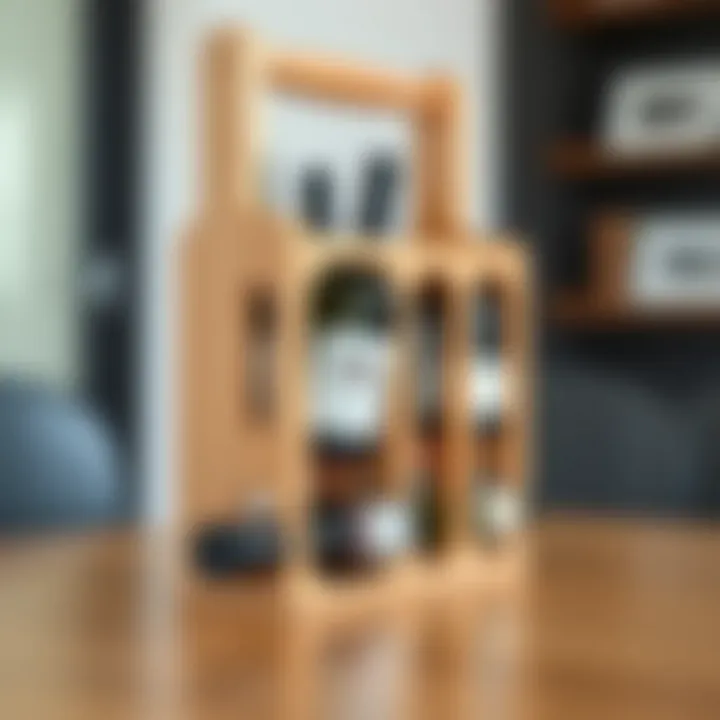
The relationship between Form and Functionality in wooden wine holders is where practicality intersects with impressive design. A wooden wine holder isn’t just about looking good; it needs to perform—a critical consideration for any buyer. For instance, holders designed with a slanted base prevent bottles from rolling. This practical approach demonstrates how form is not just an aesthetic consideration—it directly aids in delivering a functional solution for bottle storage.
A popular choice here is the arch-shaped design which not only looks elegant but also facilitates easy bottle retrieval and return. It’s an ingenious blend of style and ease of use, appealing to both wine aficionados and casual drinkers alike. Such designs often feature open formats that encourage air circulation around the bottles, preserving quality.
The downside, however, might be that intricate designs can sometimes complicate assembly or transport. Simpler designs might lack that 'wow' factor but offer user-friendly functionality that caters well to a broader audience. Hence, crafting the ideal balance between elegant form and functionality remains paramount.
Integration into Interior Design
Integrating wooden wine holders into overall interior design is as much about choice as it is about compatibility. The holders can act as focal points, accentuating specific themes or styles in a room. For instance, a rustic wooden wine holder can enhance a farmhouse-style kitchen, while a sleek, modern design might fit perfectly in a contemporary living area.
For those looking to unify their spaces, choosing a wine holder that complements other wooden features—like furniture or cabinetry—can create a cohesive look. Conversely, selecting a wine holder that distinctly contrasts with surrounding decor can also be strategically effective, drawing attention and eliciting intrigue in the design.
As the trend moves toward more personalized spaces, thoughtful integration of wooden wine holders reflects the owner's personality and taste. By considering both the visual and functional elements in design, homeowners and decorators can ensure these holders enhance the room's aesthetic while serving their primary purpose.
Functional Advantages of Wooden Wine Holders
When it comes to the world of wine storage, wooden wine holders stand out not just for their aesthetics but also for their myriad of functional advantages. These holders are not merely decorative pieces; they serve as essential tools for wine enthusiasts who want to safeguard their liquid treasures while enhancing the visual appeal of their spaces. Understanding the functional merits of wooden wine holders is crucial for any discerning home or space owner, as it encompasses considerations of stability, durability, and protective features.
Stability and Durability
One of the most notable attributes of wooden wine holders is their stability. Unlike metal or plastic alternatives, wood provides a natural weight and balance that ensures your wine collection remains upright and secure. The craftsmanship involved in creating these holders means they are often built to last. This durability extends beyond just the structure; quality wooden wine holders resist wear and tear far better than their counterparts.
Imagine a freestanding rack made from oak or mahogany— these woods aren't just chosen for their beauty; they are solid options that can easily support the weight of several bottles without bowing or compromising. Additionally, imperfections in the wood like knots or grains not only add to their character but often enhance strength. Whether you have a modest collection or an expansive array of vintages, investing in a wooden wine holder ensures that your bottles are supported reliably through everyday use.
The durability of wood is also seen in its resistance to environmental change. Good woodworking protects against humidity and temperature fluctuations, which can be detrimental to wine. A holder crafted well will maintain its form and function over the years, creating a long-lasting solution for your wine storing needs.
Protection for Bottles
Another argument for choosing wooden wine holders is their ability to protect wine bottles. Wines, especially those crafted from delicate glass, are susceptible to minor mishaps that could lead to breaks or chips. Wooden holders often come equipped with features that serve as safeguard mechanisms against such accidents.
For instance, the design of certain wooden wine holders includes features like rounded edges or cushioned slots specifically made to cradle each bottle snugly. This reduces movement that could lead to collisions with other bottles, particularly during transport from one location to another.
Furthermore, wooden holders keep bottles lying on their sides in a manner that keeps corks moist, thus preventing air from seeping in. An ideal condition for wine bottles is a horizontal position, which is facilitated by many well-designed wooden options. This property not only helps in preserving the quality of the wine but also adds an extra layer of protection against oxidation.
In summary, when evaluating the functional advantages of wooden wine holders, both stability and protection stand out as key elements. These holders bring a practical solution to wine storage while ensuring that your wines remain undisturbed and in optimal condition—making them an invaluable addition to any home or collection.
DIY Wooden Wine Holder Projects
Creating your own wooden wine holder can be a rewarding experience, transforming a simple piece of wood into an elegant home accessory. DIY projects foster creativity and provide a hands-on approach to personalizing spaces, making them integral to this exploration of wooden wine holders. For many homeowners and crafting enthusiasts, the appeal of designing and building their own wine holder lies in the ability to combine functionality with a unique aesthetic tailored to their own tastes. Here are several key considerations and benefits to keep in mind while embarking on a DIY wooden wine holder project.
Importance of DIY Projects
- Customization: Unlike ready-made holders that might not fit your style, DIY projects allow you to choose materials, colors, and designs that resonate with your home’s decor.
- Cost-Effective Solutions: Handcrafting your own wine holder often requires less financial investment compared to purchasing upscale designs in stores, especially if you have scrap wood or leftover materials around the house.
- Skill Development: Tackling a DIY project nurtures practical skills like woodworking, measuring, and finishing techniques, which can come in handy for future home improvement tasks.
- Personal Satisfaction: There’s a profound sense of accomplishment that comes from creating something with your own hands, a feeling that is particularly potent with DIY home decor projects.
"The best part about DIY projects isn’t just the end result; it’s the journey of creating something that reflects who you are."
Simple Designs for Beginners
For those just dipping their toes into the world of woodworking, simple designs can offer a great starting point. Here are a few projects that are not only easy to follow but also functional:
- Basic Wine Rack: Using just two wooden boards, you can create a simple but stunning wine rack. Cut boards to your desired length, gather some screws, and craft rows for your bottles. Use natural stains for an appealing finish.
- A-Frame Holder: An A-frame wine holder is another straightforward project that can be completed in a few hours. The minimalistic triangular shape not just offers stability but also allows you to display your bottles prominently.
- Wine Crate: Repurposing wooden crates as wine storage is an effortless and stylish method. You can customize the crates with paint, stencils, or even wood burn designs for a personalized touch.
Advanced Crafting Techniques
Once you’ve mastered the basics, diving into more complex designs can further extend your crafting repertoire. Here are some advanced techniques to consider:
- Curved Designs: Using veneer or flexible plywood, you can shape intricate curves for a visually striking wine holder. Jigs can aid in achieving smooth bends while precise measuring ensures the construction holds together.
- Incorporating Hidden Compartment: An advanced design could feature a compartment for wine accessories, adding functionality without compromising on style. With careful woodworking, you can create a seamless hidden space beneath the main holder.
- Mixed Materials: Combine wood with metal or glass for a contemporary twist. For instance, adding metal rods for support can turn a standard rack into an industrial masterpiece.
Engaging in these projects not only transforms the way wine is stored and displayed but also enhances the overall aesthetic of your living space. Whether simple or complex, each DIY wooden wine holder tells a story, serving as not just a storage solution but as a unique work of art.
Caring for Wooden Wine Holders
Caring for wooden wine holders is not just about maintaining their appearance; it's about preserving the integrity of the wood, ensuring functionality, and extending the life of this beautiful addition to your home. With a combination of proper cleaning and thoughtful preservation methods, a wooden wine holder can remain a cherished part of your decor for years to come.
Cleaning and Maintenance Tips
Keeping a wooden wine holder clean is essential for both its longevity and hygiene, especially since it often comes into contact with wine bottles. A simple approach goes a long way:
- Dust Regularly: Use a soft cloth or a feather duster to wipe away dust. This simple act can diminish the buildup of particles that may scratch the surface.
- Avoid Harsh Chemicals: When it comes to deep cleaning, steer clear of bleach or ammonia-based cleaners. A mixture of warm water with mild soap is usually enough. Just be sure to wring out the cloth so that it is damp rather than soaking wet.
- Dry Thoroughly: After cleaning, ensure to dry the wood completely to prevent moisture from seeping into the grain, which can lead to warping over time.
- Check for Damage: Regularly inspect your wine holder for any scratches or signs of wear and tear. Addressing these issues early can prevent further damage.
Long-term Preservation Methods
When it comes to long-term preservation, you need a strategy that balances care and aesthetics:
- Use a Wood Conditioner: Every few months, apply a wood conditioner or mineral oil to nourish the wood. This not only helps keep the wood supple but also enhances its natural grain.
- Limit Exposure to Direct Sunlight: Sunlight can cause fading and drying out. Position your wine holder in a spot where it won’t get blasted by direct sunlight all day long.
- Humidity Control: Wood is sensitive to changes in humidity. Keeping your living environment balanced with proper humidity levels can prevent cracking and other issues. This is especially important in dry or overly humid climates.
- Be Mindful of Temperature Fluctuations: Temperature swings can be hard on wooden items. Try to keep the holder in a stable environment, avoiding places like attics or basements where conditions fluctuate.
By taking these simple steps, you can ensure that your wooden wine holder stays as pristine as the day you got it, ready to hold your precious bottles for many gatherings to come.
In summary, giving attention to the care and maintenance of wooden wine holders is vital. Not only does it enhance their beauty, it also keeps their functionality intact. Investing time in cleaning and preservation pays off in the long run, ensuring that your wine holder remains a stunning piece in your home.
The Eco-Friendly Aspect of Wooden Wine Holders
In an age where environmental consciousness is on the rise, the choice of materials and craftsmanship in everyday items holds significant value. Wooden wine holders stand out as an excellent example of sustainable practices and ecologically responsible design. The growing interest in the eco-friendly aspects of these holders not only highlights their practical benefits but also reflects a broader commitment to sustainability in home design. This section will delve into the sustainable sourcing of wood and the recyclability of materials, making a case for why wooden wine holders are a commendable choice for both home and planet.
Sustainable Sourcing
Sustainable sourcing is at the heart of eco-conscious product design. Choosing wood for wine holders means paying careful attention to where that wood comes from.
- Forest Management: Many manufacturers today source trees from forests that are carefully managed, ensuring that the forest ecosystem is maintained for future generations. This is often done through certification programs like the Forest Stewardship Council (FSC), which guarantees that the wood has been harvested in an environmentally friendly manner.
- Local Sourcing: Some artisans source their wood locally, reducing transportation emissions and supporting local economies at the same time. It's not just about minimizing carbon footprints; it also fosters a sense of community when craftspeople utilize materials sourced from their own region.
This approach provides several benefits:
- Reduced Environmental Impact: By procuring wood from sustainably managed forests, producers help mitigate deforestation.
- Higher Quality Products: Wood that is harvested responsibly tends to be stronger and longer-lasting, providing superior functionality.
- Encouragement of Sustainable Practices: When consumers choose eco-friendly products, they signal companies to uphold sustainable practices, thus creating a positive cycle of environmental responsibility.
Recyclable Materials
The environmental benefits of wooden wine holders extend into their recyclability. When these holders reach the end of their life cycles, they can often be repurposed or recycled rather than ending up in landfills.
- Natural Decomposition: Unlike synthetic holders that can take decades to break down, wood is a natural material that decomposes relatively quickly.
- Upcycling Opportunities: Old wooden wine holders can also be creatively upcycled. For instance, they can transform into decorative pieces, garden planters, or functional furniture, breathing new life into what would otherwise be discarded.
- Renewable Resource: Wood, being renewable, contributes to a sustainable cycle. As trees are planted to replace those that are harvested, a continual source of material is ensured, reducing the strain on ecosystems.
"Opting for wooden wine holders isn't just a design choice; it's a step towards a sustainable lifestyle. Every choice counts!"
By integrating eco-friendly practices into manufacturing and design, wooden wine holders represent a blend of functionality and environmental consciousness. Their aesthetic charm is undeniable, yet their role in promoting sustainability cannot be overlooked. As homeowners, decorators, and DIY enthusiasts become more aware of their environmental impact, wooden wine holders offer a practical solution that aligns with a greener ethos.
Market Trends and Innovations
In today's ever-evolving world of home decor, market trends play a vital role in shaping consumer preferences and decisions. Wooden wine holders, while classic in their appeal, are adapting to reflect changing styles and functionalities. This section will discuss the significance of recent innovations in design and how they cater to both aesthetic desires and practical needs. Keeping abreast of these trends is not just beneficial for designers and retailers but also enhances the experience for homeowners and wine enthusiasts.
Current Design Trends
Recent years have seen a noteworthy shift in how wooden wine holders are conceived. Designs that combine elegance with functionality are all the rage. Here are some striking trends that have surfaced:
- Minimalism: Streamlined forms and uncluttered designs have taken center stage. Homeowners are leaning toward pieces that convey sophistication while occupying minimal space.
- Eco-Friendly Finishes: With an increasing focus on sustainability, many wine holders are now made from reclaimed wood or feature non-toxic finishes. This shift reflects a growing awareness among consumers regarding environmental impact.
- Mixed Materials: The integration of wood with materials like metal or glass has become popular. This creates a dynamic contrast that adds depth and interest.
- Personalization: Customized wine holders that reflect individual styles or family names have gained traction. Personal touches not only enhance the uniqueness of the piece but also create emotional connections for the users.
"Adapting to trends allows wooden wine holders to remain relevant in a competitive market, ensuring they continue to be a staple in modern homes."
These trends illustrate how designers are thinking outside the box. When one looks around, it's clear that wooden wine holders are not merely storage units; they are statements of taste and style.
Future Directions for Wooden Wine Holders
Looking ahead, the trajectory of wooden wine holders is likely to be marked by continuous innovation. Several areas present intriguing possibilities:
- Technology Integration: With smart homes becoming more prevalent, incorporating technology into wine holders might be the next big thing. Features like temperature control, smart labels, or built-in RFID for inventory tracking could revolutionize the way wine is stored and enjoyed.
- Modular Designs: The rise of modular furniture suggests that wine holders could follow suit, allowing for expandable and customizable units that fit varying spaces and needs. This approach would resonate especially well among urban dwellers with limited space.
- Augmented Reality (AR): Imagine using AR to visualize how a wooden wine holder will look in your space before purchasing. This technology could become a game changer for retailers, enhancing the shopping experience immensely.
- Inclusive Designs: There may also be a growing emphasis on inclusivity in design, catering to a broader range of preferences and cultural styles. Approaching designs from a global perspective could lead to richer offerings that appeal to diverse clientele.
As homeowners seek ways to express their style and enhance their spaces, wooden wine holders are poised to evolve, adapting to meet both functional demands and aesthetic aspirations. Keeping an eye on market dynamics ensures that both consumers and designers stay ahead of the curve.
Closure
In summary, wooden wine holders are not just functional items; they represent a blend of artistry, practicality, and sustainability. Their importance hinges on several key elements, chief among them being their ability to enhance the visual appeal of a living space while also providing an effective means to store and display wine bottles. Crafted from various types of wood, these holders can be tailored to suit any aesthetic from rustic to modern, allowing them to integrate seamlessly within existing décor. Furthermore, their design can contribute to the longevity and protection of the bottles, ensuring that your investments are well cared for.
Summary of Key Points
- Durability: Wooden wine holders are built to last, especially when using high-quality hardwoods.
- Aesthetic Flexibility: There’s a vast range of styles available, catering to different tastes and enhancing home aesthetics.
- Functionality: They provide outstanding support for wine bottles, reducing the risk of damage.
- Eco-Friendly: Many are made from sustainably sourced woods, making them a greener choice for your home.
- DIY Potential: For the crafty spirit, creating your own wooden wine holder can be a rewarding project.
"Choosing the right wine holder is about aligning function with your personal style."
Final Thoughts on Selection and Use
When it comes to selecting a wooden wine holder, consider both the practical aspects and your personal style preferences. Is your home more contemporary, or does it lean towards the traditional? Pay attention to the finish and overall design; these factors not only impact how well the piece functions but also how it complements your space. Additionally, consider your wine collection size and how often you entertain. A holder that simplifies access and enhances presentation can elevate both everyday use and special occasions.
Keep in mind that wood, like wine, can vary with age. A well-chosen wooden wine holder can become an heirloom piece that brings charm and warmth to your home for years to come. Whether you're a homeowner, a designer, or simply someone who enjoys a fine bottle, understanding the significance of these beautifully crafted accessories can enhance your appreciation of wine as an art form.